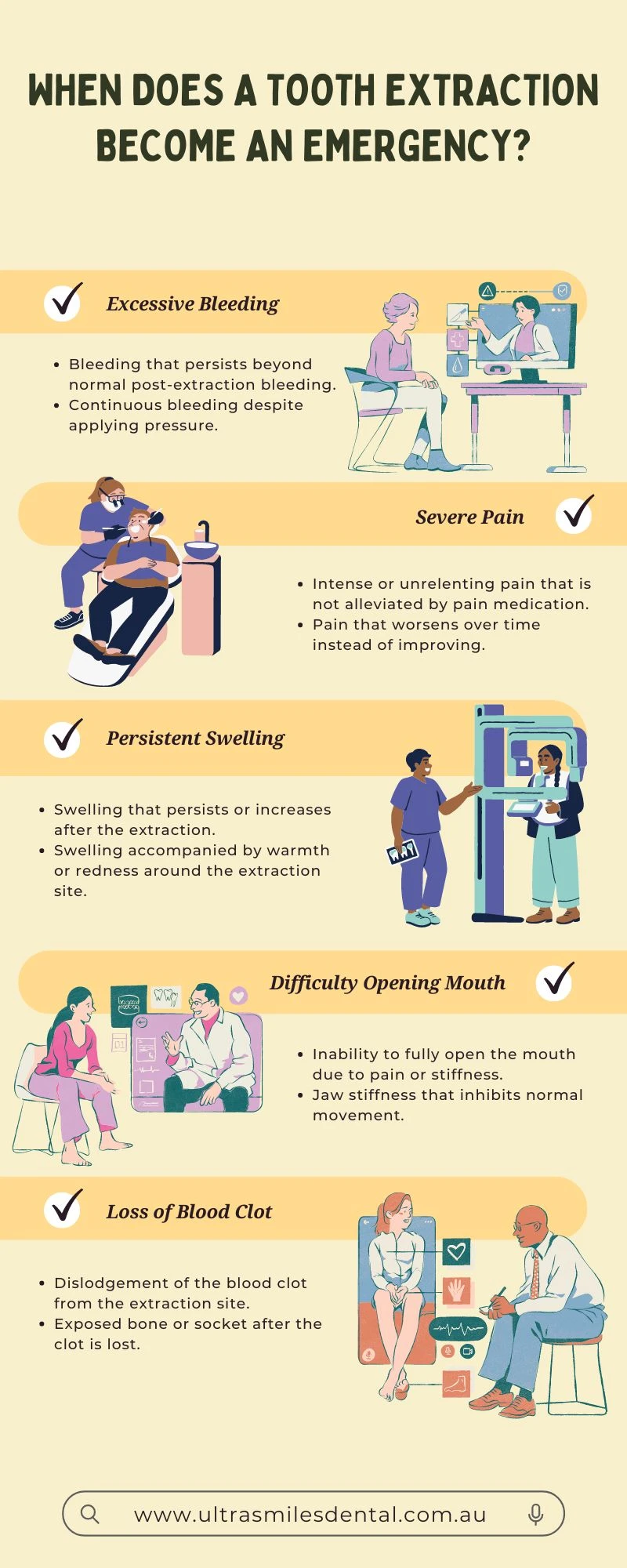

While dental procedures are often routine, unexpected complications can arise, transforming a simple tooth extraction into a dental emergency. Recognizing the signs indicating when a tooth extraction becomes an emergency is essential for timely intervention and effective management. In this guide, we explore the key indicators signaling a dental emergency following a tooth extraction. By understanding these signs early on, individuals can take prompt action, seek appropriate care, and protect their oral health from potential complications.
Key Signs That Your Tooth Extraction Is an Emergency
Excessive Bleeding:While some bleeding is normal after a tooth extraction, persistent or excessive bleeding beyond the first 24 hours could indicate a problem.If bleeding intensifies or continues without subsiding, it's essential to seek immediate dental care to prevent further complications.Severe Pain:Pain following a tooth extraction is common, but severe or worsening pain that is not alleviated by prescribed pain medication may signal an underlying issue.Severe pain could indicate infection, nerve damage, or other complications that require prompt attention from a dental professional.Persistent Swelling:Swelling around the extraction site is typical immediately after the procedure, but if swelling persists or worsens after a few days, it may indicate an infection or other complications.Swelling accompanied by redness, warmth, or discharge may require urgent evaluation by a dentist to prevent the spread of infection.Difficulty Opening Your Mouth:Difficulty or inability to fully open your mouth after a tooth extraction could indicate a condition known as trismus, which may result from inflammation, infection, or muscle spasms.Trismus can interfere with eating, speaking, and oral hygiene practices, so prompt evaluation by a dental professional is necessary to address the underlying cause and alleviate symptoms.By recognizing these key signs indicating a dental emergency after a tooth extraction, individuals can take proactive steps to seek timely care and prevent potential complications. If you experience any of these symptoms, it's crucial to contact your dentist or seek emergency dental services for prompt evaluation and treatment.
To summarize, recognizing when a tooth extraction turns into a dental emergency is vital for protecting your oral health and preventing complications. Whether you notice excessive bleeding, severe pain, persistent swelling, or difficulty opening your mouth, it's crucial to act promptly and seek professional help.
If you experience any of these signs after a tooth extraction, don't delay—reach out to your dentist or an emergency dental service immediately for evaluation and treatment.
Remember, in dental emergencies, time is of the essence. By taking proactive steps and seeking timely care, you can minimize the risk of complications and ensure a smoother recovery process. While my experience with Ultra Smiles Dental regarding my dental implants five years ago was positive, it's essential to find a dentist who meets your preferences and requirements for personalized care.











Sign in to leave a comment.