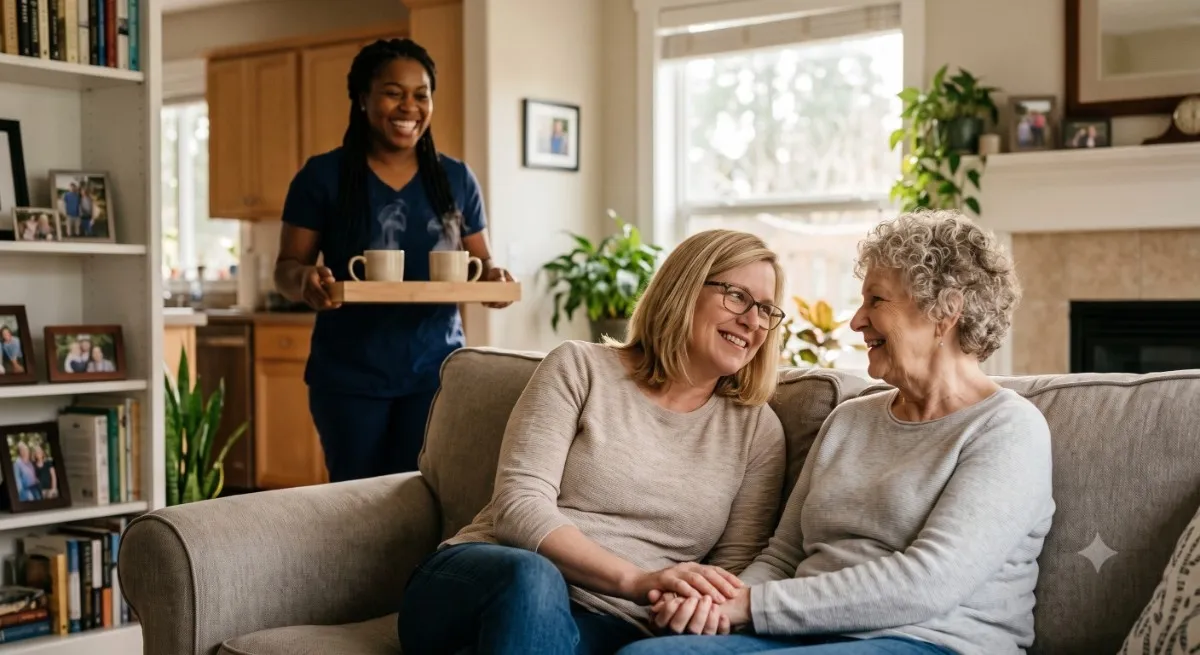

Watching a parent or loved one grow older is a journey filled with mixed emotions. While you cherish the extra time spent together, you may also begin to notice subtle changes in their health, memory, or daily habits. At first, you might step in to help with grocery shopping or light house cleaning. However, as their needs increase, family members often find themselves taking on the heavy role of a full-time caregiver.
There comes a tipping point where love and good intentions are no longer enough to guarantee a senior’s safety and well-being. Recognizing that tipping point early can save both the senior and the family from unnecessary stress. So, when is it truly time to step back and consider professional caregiving support? Here are the most critical signs to watch out for.
1. Difficulty with Activities of Daily Living (ADLs)
One of the most obvious signs that a senior needs professional help is when they can no longer manage their activities of daily living (ADLs) independently. ADLs include basic self-care tasks such as bathing, dressing, eating, toileting, and walking.
If you notice that your loved one is wearing the same clothes for several days, has noticeable body odor, or is losing weight because they are skipping meals, it is a major red flag. A professional caregiver can provide dignified, hands-on assistance to ensure these basic needs are met safely.
2. Unexplained Bruises and Frequent Falls
As mobility decreases, the risk of falling increases drastically. If your loved one has unexplained bruises, cuts, or mentions that they had a "little slip," you should take it very seriously. Falls are one of the leading causes of fatal and non-fatal injuries among older adults.
Professional caregivers are trained to spot fall hazards in the home, assist with safe transfers (like moving from a bed to a wheelchair), and provide the steady physical support needed to navigate the house safely.
3. Severe Caregiver Burnout
Caregiving is not a one-person job. If you are a family member providing care, you have to monitor your own health as well. Are you losing sleep? Is your performance at work dropping? Are you feeling constantly irritable, anxious, or depressed? This is known as caregiver burnout.
You cannot pour from an empty cup. When family caregivers become exhausted, the quality of care the senior receives also drops. Reaching out for professional home care services in South Jersey can give family members the much-needed respite they deserve. Whether it is a few hours a week or around-the-clock support, bringing in a professional allows you to go back to being a loving daughter, son, or spouse rather than a stressed medical attendant.
4. Medication Mishaps and Missed Appointments
Managing a complex medication schedule is confusing for anyone, but for a senior with mild cognitive decline, it can be life-threatening. Finding pills dropped on the floor, discovering that prescriptions haven't been refilled, or noticing that your loved one has taken too much medication are clear warnings.
Professional caregivers can provide reliable medication reminders, organize pillboxes, and even arrange transportation so that doctors' appointments are never missed again.
5. Changes in the Condition of the Home
A home that was once spotless but is now cluttered, dirty, or filled with spoiled food is a cry for help. Physical limitations or cognitive issues like dementia often stop seniors from maintaining their environment. Unwashed dishes, piles of unopened mail, and a neglected yard mean that daily household management has become too overwhelming.
Making the Right Choice for Your Loved One
Admitting that a loved one needs professional help is never easy. It often comes with feelings of guilt or reluctance. However, professional caregiving is not about taking away a senior's independence; it is about providing the precise support they need to maintain their independence safely in the comfort of their own home.
If you have noticed any of these signs, it is time to have an honest family conversation. Exploring in-home care services can provide your loved one with companionship, safety, and a higher quality of life, while giving you the ultimate peace of mind.




























Sign in to leave a comment.