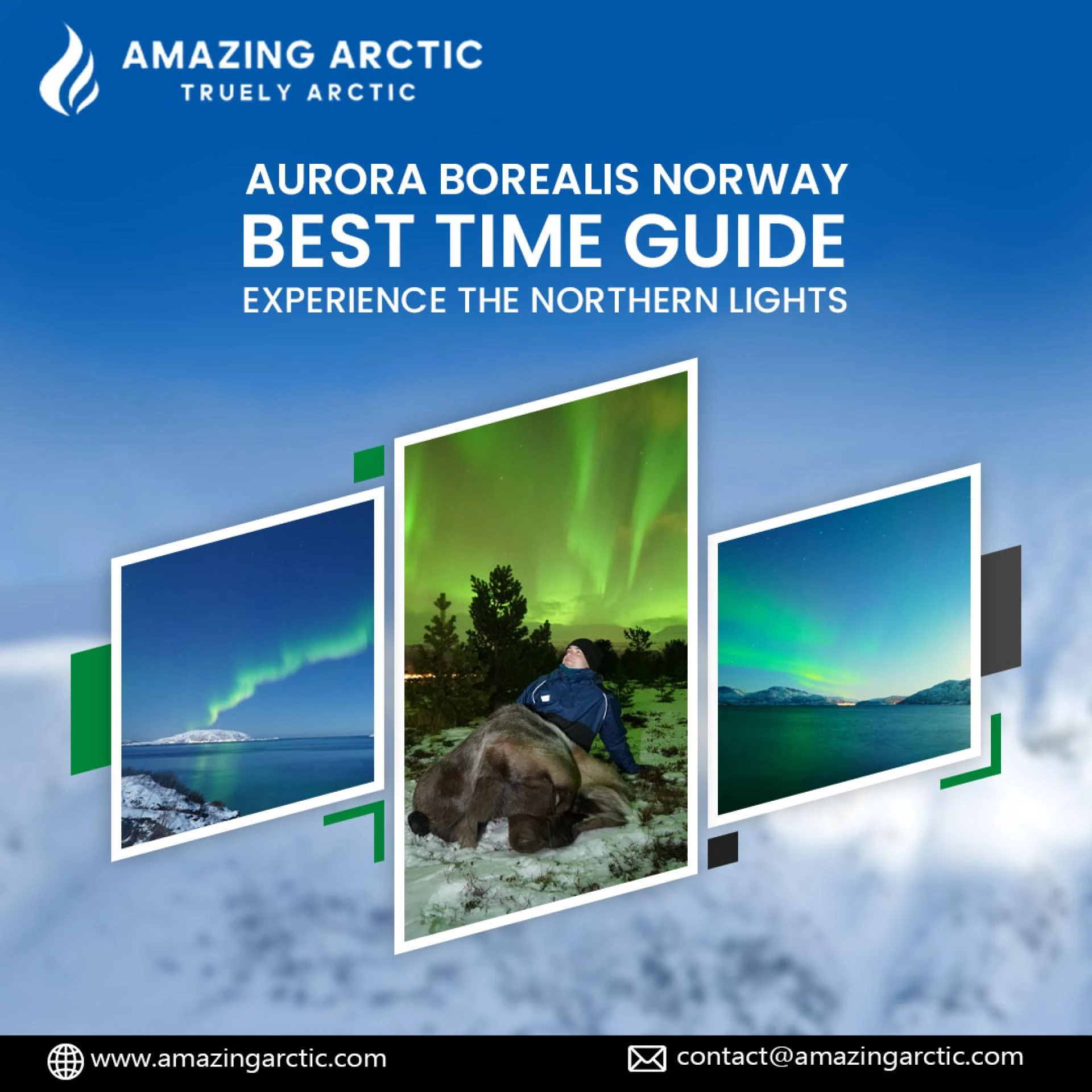

Few natural wonders inspire as much awe as the aurora borealis. Norway, with its dramatic Arctic landscapes and long winter nights, is one of the best places on earth to witness this dazzling light show. Travelers from around the globe come here to chase the northern lights, but timing is everything. Knowing the aurora borealis Norway best time can make the difference between catching the sky ablaze in green and purple hues or missing out entirely.
At Amazing Arctic, we specialize in helping travelers experience these breathtaking moments in comfort and style. Whether you’re joining a small group tour Norway adventure or planning your own trip, this guide will help you choose the perfect time to see the aurora borealis.
The Science Behind the Aurora Borealis
The aurora borealis, also known as the northern lights, is a natural light display caused by charged particles from the sun colliding with Earth’s atmosphere. These particles interact with gases like oxygen and nitrogen, creating glowing curtains of green, pink, and violet light that dance across the Arctic sky.
While the science is fascinating, for travelers the real question is: when should you go to Norway to see them?
Aurora Borealis Norway Best Time
The aurora borealis Norway best time is between late September and late March. During these months, the nights are long and dark enough to create the perfect backdrop for the lights.
September to October: This is the start of the aurora season. The weather is milder, and you may enjoy clear skies along with stunning autumn landscapes.
November to January: These months bring the polar night in northern Norway, where the sun doesn’t rise above the horizon. While it’s colder, the extended darkness gives you many more hours each day to hunt for the lights.
February to March: Many travelers consider this the ideal period. The weather begins to stabilize, snow-covered landscapes add extra beauty, and the nights are still long enough to give you great chances of seeing the aurora.
If you want the best combination of clear skies, good chances of activity, and comfortable conditions, February and March often stand out.
Where in Norway to See the Aurora
Even if you travel during the right season, location matters. Northern Norway, above the Arctic Circle, is the best region for aurora viewing. Popular destinations include:
Tromsø: Known as the “Gateway to the Arctic,” Tromsø is one of the most accessible and reliable aurora hotspots.
Alta: Famous for its northern lights observatory and fewer crowds.
Lofoten Islands: A scenic choice where dramatic mountains meet the sea, offering unforgettable aurora photos.
Svalbard: Located far to the north, this remote archipelago gives adventurous travelers a chance to see auroras even during the day in polar night.
Why Join a Small Group Tour in Norway
Traveling on your own can be exciting, but many visitors choose a small group tour Norway experience for aurora hunting. Here’s why:
Expert Guides: Aurora guides understand local weather patterns and know where skies are most likely to clear.
Comfort and Safety: Arctic conditions can be harsh. Tours provide warm transport, gear, and safe travel in snowy landscapes.
Photography Assistance: Guides often help guests set up cameras to capture the lights.
Local Insights: Beyond the aurora, tours offer cultural and nature experiences, such as Sami traditions or reindeer encounters.
Shared Memories: Traveling with a small group allows for a more personal, friendly experience without the feeling of being lost in a large crowd.
At Amazing Arctic, we design small group tours that balance flexibility with expert planning, giving you the best chances to see the northern lights while enjoying the beauty of Norway.
Tips for a Successful Aurora Hunt
Stay for Several Nights: The more nights you spend in northern Norway, the better your chances of seeing the aurora.
Check the Forecasts: Apps and websites provide aurora activity forecasts and cloud coverage predictions.
Dress Warmly: Arctic nights can be extremely cold. Wear thermal layers, insulated jackets, hats, and gloves.
Be Patient: The aurora can appear at any time between 6 pm and 2 am. Sometimes you’ll wait hours, but the payoff is unforgettable.
Bring a Camera: A DSLR or mirrorless camera with manual settings is ideal. Tripods are essential for long-exposure shots.
Beyond the Lights: Embracing Arctic Beauty
While the aurora is the highlight, a winter trip to Norway offers much more. From dog sledding and snowshoeing to visiting charming fishing villages and enjoying Arctic cuisine, every day can be an adventure. On a small group tour Norway, you’ll have opportunities to explore these activities while keeping aurora hunting at the center of your journey.
Conclusion
The aurora borealis Norway's best time falls between September and March, with February and March often offering the best balance of darkness, clear skies, and manageable weather. Choosing the right destination and considering a small group tour Norway experience can greatly increase your chances of witnessing this breathtaking natural wonder.
At Amazing Arctic, we believe every traveler deserves to see the night sky come alive with shimmering colors. Whether you’re chasing the aurora for the first time or returning for another magical encounter, Norway’s Arctic landscapes will leave you with memories to treasure forever.






















Sign in to leave a comment.