

Voice searches on the commute, AI overviews at the top of Google, chat-style results inside Microsoft Copilot—search feels less like ten blue links and more like a quick conversation. Brands that rely only on traditional SEO are already seeing traffic trickle away. Those that adapt to answer engine optimisation (AEO) stand a better chance of surfacing when the algorithm itself becomes the interface.
Early adopters are working with answer engine optimisation experts to ensure their pages can be quoted directly by AI helpers. Below is a grounded look at what changes, what stays the same, and where to focus first if you market to an Australian audience in 2026.
What Shifts When Search Turns Into Answers
Users rarely think about “keywords” while chatting to a voice assistant. They ask full questions, mix topics, and expect context-aware replies. That has three immediate consequences for visibility:
- Precision snippets trump rankings. An article ranked #8 can still be the quoted source if it carries the clearest line that matches the user’s intent.
- Entity signals outrank exact phrases. Search systems map relationships—brand ↔ service ↔ location—so pages built around clear entities outperform pages stuffed with synonyms.
- Credibility travels. Cited sources in AI summaries influence click-through more than the blue-link order below them.
In short, AEO is less about climbing a list and more about qualifying to be quoted.
Traditional SEO vs AEO—Key Differences
| Focus Area | Classic SEO | Answer Engine Optimisation |
| Primary Goal | Rank higher in the SERP | Become the cited source in AI summaries |
| Keyword Use | Phrase frequency matters | Entity clarity and context matter |
| Content Length | Longer often better | Concise, answer-ready passages inside longer content |
| Mark-up | Meta tags, schema basics | Rich schema, FAQs, how-to, speakable, author profiles |
| Metrics | Position, clicks | Citation rate, zero-click impressions, brand mentions |
Structuring Pages for Machine Understanding
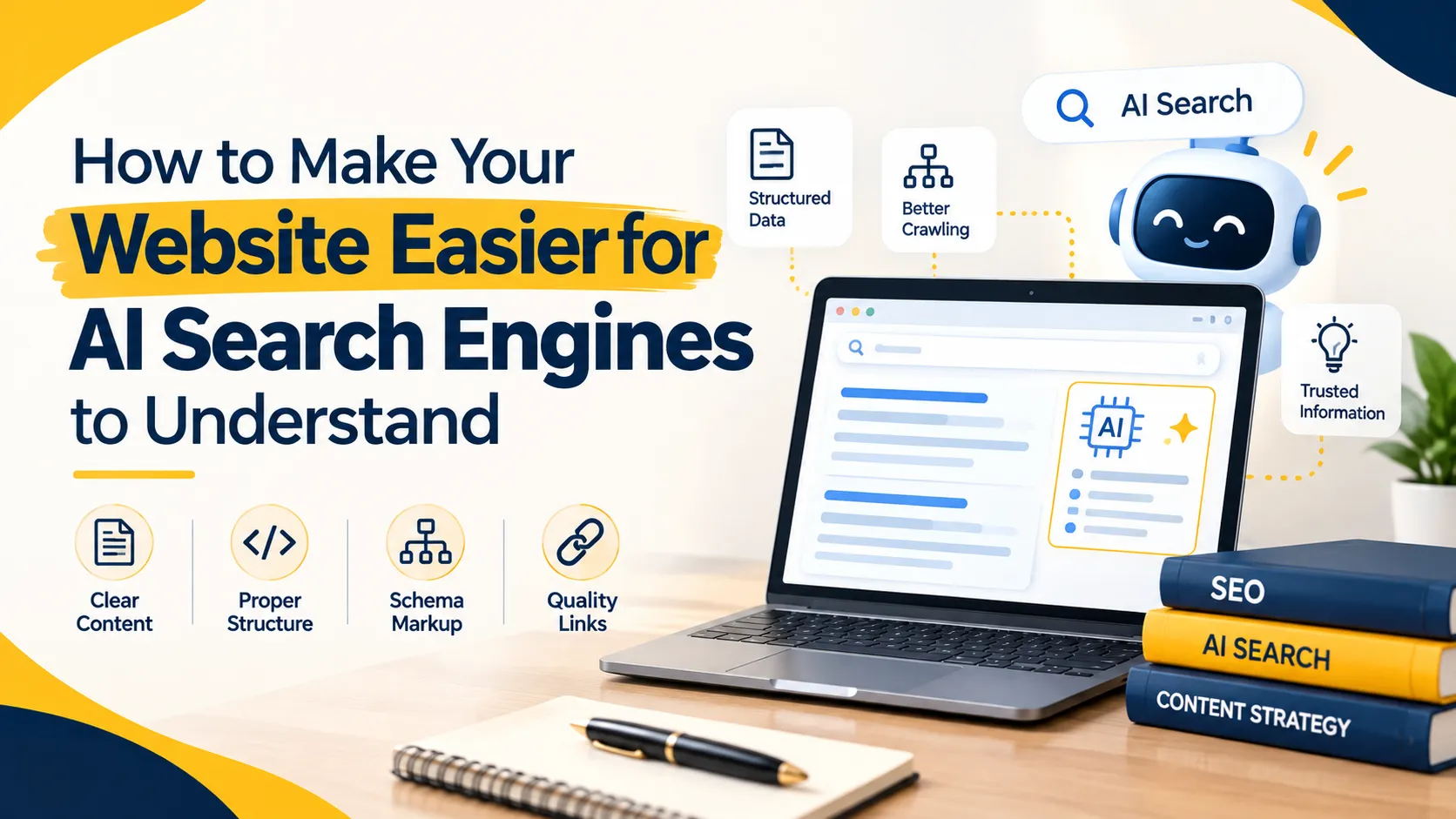
Google, Bing, and OpenAI have hinted at the signals they read most often—structured data, top-of-page answers, and clear author credentials. Rather than rewriting every post, start by flagging existing evergreen pieces for upgrade. A targeted refresh usually beats a complete rewrite.
A recent industry deep-dive on Answer Engine Optimisation services shows three quick-win areas:
- First-paragraph clarity—state the answer in the opening 40–60 words, then expand.
- FAQ blocks—even two or three well-structured Q&As can feed voice assistants without disrupting human flow.
- Speakable schema—marking up summary sections helps smart speakers read your answer verbatim.
Remember: schema can’t fake expertise. It only surfaces what’s already there; thin content stays thin even when wrapped in code.
Signal Depth Beats Signal Volume
Anxiety around AEO sometimes leads to over-optimising every heading. Resist the urge. Search platforms score authority holistically: depth on a subject, citations from other trusted domains, and a logical web of internal links.
Instead of launching five surface-level posts on “AI marketing”, consider one flagship guide plus satellite explainers that link back naturally. Over six months, that cluster sends a stronger expertise signal than a scattergun list of near-duplicates.
Choosing Topics That Earn Citations
Ask three questions before outlining a new piece:
- Does the topic answer a recurring customer question with a factual angle?
- Can you add locally relevant context that global competitors ignore?
- Will the answer still matter in a year, making it worth maintaining?
If the answer is yes to all three, the article is a candidate for structured, citation-ready content. Otherwise, repurpose the idea for shorter social or newsletter updates.
Local Nuance Still Matters
Australians phrase queries differently—think “rego” instead of “vehicle registration”. Search platforms account for that, but they still need signals. When you weave authentic local terms into copy, you help engines map synonyms.
Local references also build trust. A page that mentions the ACCC’s guidelines on advertising or the ATO’s stance on deductions signals “Australian relevance” right away. Just avoid suburb stuffing; specificity beats lists of postcodes.
A Measured Rollout Plan
Answer engine optimisation isn’t a rebrand. It’s an added layer. A phased approach keeps momentum without derailing current campaigns.
- Audit existing evergreen pages. Flag those that already attract long-tail traffic; they’re prime for answer blocks.
- Layer structured data. Apply FAQ, How-To, and Author schema. Use flexible plug-ins or lightweight manual mark-up.
- Build a question bank. Pull from support tickets, sales calls, social comments—real wording trumps guesswork.
- Refresh in quarterly sprints. Tackle a handful of pages every three months; measure citation lifts instead of raw rankings.
- Stay credible. Keep sources current—link to 2026 standards, not a 2022 whitepaper.
Compliance and Authority
Citations aren’t awarded to the loudest voice; they gravitate toward trusted references. For Australian brands, linking to guidance from the Digital Transformation Agency can anchor claims and flag regulatory awareness. It’s a simple but often skipped step that tilts the credibility balance in your favour.
Where AEO Sits in the 2026 Marketing Mix
Answer-centric optimisation doesn’t replace technical SEO, creative campaigns, or demand-gen funnels. It stitches them together. A technically sound site helps schema render correctly. Great storytelling feeds social sharing, which drives the backlinks that reinforce authority. Meanwhile, demand creation shapes the very questions prospects type or speak into AI tools.
Think of AEO as the hygiene layer that ensures all those efforts remain discoverable when the interface shifts again—perhaps from voice to ambient screen-less assistants embedded in cars or appliances. The brands that adapt now build a compounding edge: every fresh answer block makes the next citation easier.
One Step at a Time
Search will keep evolving, but user intent stays consistent: get a clear, trusted answer quickly. Brands that structure content for humans first and machines second are already reaping “seen in AI results” benefits. The work isn’t flashy—schema tweaks, paragraph rewrites, regular fact-checking—but it compounds quietly, month after month.
Treat answer engine optimisation as ongoing maintenance, not a campaign with an end date. A year from now, when voice-driven and chat-based discovery feel ordinary, you’ll be glad the groundwork was done.
























Sign in to leave a comment.