
Most workplaces don’t wake up one morning and decide they have a conflict problem. It usually builds quietly. A comment taken the wrong way. A meeting that ends awkwardly. Someone stops speaking up. None of it feels serious at first.
Then, suddenly, managers are spending more time dealing with tension than actual work. That’s often when organisations start thinking about conflict resolution training.
Is conflict always something to worry about?
Not always. Disagreement can be healthy. Different views can lead to better decisions. The issue starts when people don’t know how to handle those differences properly.
You might notice:
- Conversations becoming defensive
- Emails sounding sharper than intended
- People avoiding certain colleagues
- Feedback being taken personally
These are small signs, but they matter.
What happens when conflict is left alone too long?
Ignored conflict doesn’t disappear. It usually changes shape. What starts as frustration can turn into resentment.
Over time, this can lead to:
- Teams splitting into sides
- Low trust between staff and managers
- Reduced motivation
- More sick days or resignations
At this point, conflict training becomes less of a “nice to have” and more of a necessity.
Should organisations wait for a serious issue first?
Many do. And most regret it.
Conflict resolution courses work best when they are preventative. Training people before situations escalate gives them the confidence to speak up early and deal with issues while they are still manageable.
Waiting until formal complaints appear often means emotions are already high.
Who usually needs conflict training the most?
It’s not just about senior staff.
Conflict can appear:
- Between team members at the same level
- Between departments
- In customer-facing roles
- Within remote teams where tone is unclear
Conflict resolution training helps everyone understand how their behaviour affects others, not just managers.

What do people actually learn in conflict resolution courses?
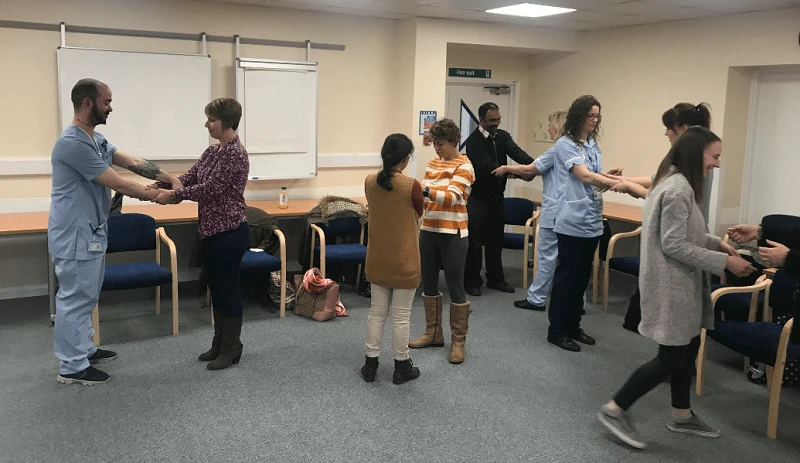
This isn’t about theory or long presentations. Practical conflict training usually focuses on real situations people recognise.
Common areas include:
- How to listen without preparing a reply
- Saying difficult things without sounding aggressive
- Staying calm when conversations become emotional
- Finding solutions instead of placing blame
These skills tend to be useful far beyond the workplace.
Can conflict training improve workplace culture?
In many cases, yes — but not instantly.
Training doesn’t remove conflict. It changes how people respond to it. Over time, organisations often notice:
- Fewer misunderstandings
- More open conversations
- Managers feeling less stressed
- Issues being raised earlier
That shift can make a noticeable difference to how teams work together.
Is conflict resolution training only for large organisations?
No. Smaller teams often feel conflict more strongly because there are fewer people to buffer it.
In smaller workplaces:
- Issues are harder to avoid
- Personal relationships overlap with work
- One conflict can affect everyone
This is where conflict resolution courses can be especially valuable.
How do organisations know the timing is right?
There’s rarely a perfect moment. However, common triggers include:
- Feedback becoming uncomfortable
- Regular tension in meetings
- Managers unsure how to respond to disputes
- Staff feeling unheard
These signs suggest people need support, not discipline.
Final thoughts
Conflict is part of working life. What matters is how it is handled. Conflict resolution training helps people respond with clarity rather than emotion, and understanding instead of avoidance. When organisations invest in conflict training early, they often prevent much bigger problems later on. Providers like GoodSense Training focus on practical approaches that reflect real workplace situations, not scripted scenarios.
Read This: What Is Workplace Violence Prevention Training and Who Needs It?

























Sign in to leave a comment.