

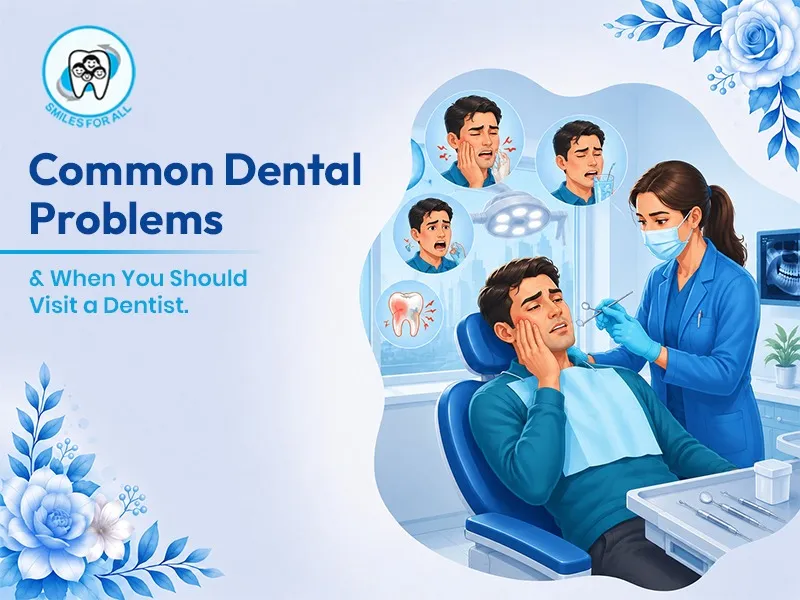
Most people don't ignore a dental problem because they don't care about their teeth.
They ignore it because the problem doesn't seem serious enough yet.
A little sensitivity? Probably nothing.
Bleeding while brushing? Maybe the toothbrush is too hard.
Bad breath? Just brush a little more.
A tooth that hurts occasionally? It will probably settle down.
Sometimes it does. But recurring symptoms shouldn't automatically be dismissed.
Pain Isn't the Only Warning Sign
One of the biggest misconceptions about dental health is that a serious problem must hurt.
That's not always true.
Tooth decay can develop before noticeable pain appears. Gum problems may begin with bleeding or swelling rather than discomfort. A cracked tooth can initially cause only occasional sensitivity.
That's why changes in your teeth and gums are worth noticing, even when you can still eat, sleep, and go about your normal routine.
Five Symptoms Worth Checking
1. Gums that bleed repeatedly
Gums shouldn't regularly bleed during normal brushing or flossing.
Recurring bleeding, redness, swelling, tenderness, or gum recession can indicate a gum-health problem that needs attention.
2. Sensitivity that keeps coming back
If one tooth repeatedly reacts to cold drinks, hot foods, sweets, or acidic foods, there may be an underlying reason.
Possible causes include enamel wear, gum recession, tooth decay, or a damaged tooth.
3. Bad breath that persists
Temporary bad breath is normal.
Persistent bad breath can sometimes be linked to plaque buildup, gum disease, tooth decay, dry mouth, or bacteria on the tongue.
If better oral hygiene doesn't solve the problem, finding the underlying cause is more useful than simply masking the smell.
4. Pain while chewing
Pain that appears when you bite or chew shouldn't be ignored.
Decay, cracks, infections, gum problems, and other dental conditions can cause discomfort during chewing.
5. A visible change in your mouth
A dark spot, cavity, chipped tooth, swollen gum, loose permanent tooth, or other noticeable change deserves attention, even if it isn't painful.
So When Should You See a Dentist?
You don't need to wait until you're dealing with unbearable tooth pain.
Consider arranging a dental checkup if symptoms are persistent, getting worse, interfering with eating, or repeatedly returning.
For a broader look at common dental problems, their warning signs, preventive care, and situations that may require professional attention, read the complete guide to common dental problems and when to visit a dentist.
Some situations are more urgent. Facial swelling, difficulty breathing or swallowing, serious dental trauma, or a knocked-out permanent tooth require prompt professional assessment.
Prevention Is Easier Than Catching Up
Good dental care starts with simple habits.
Brush twice a day with fluoride toothpaste. Clean between your teeth regularly. Limit frequent sugary foods and drinks. Drink enough water and avoid tobacco products.
Regular dental checkups are also important because some dental problems can develop without obvious symptoms.
If you're in Moshi and something about your teeth or gums doesn't feel right, don't rely only on the amount of pain you're experiencing.
A dental problem doesn't have to become severe before it deserves attention.

























Sign in to leave a comment.