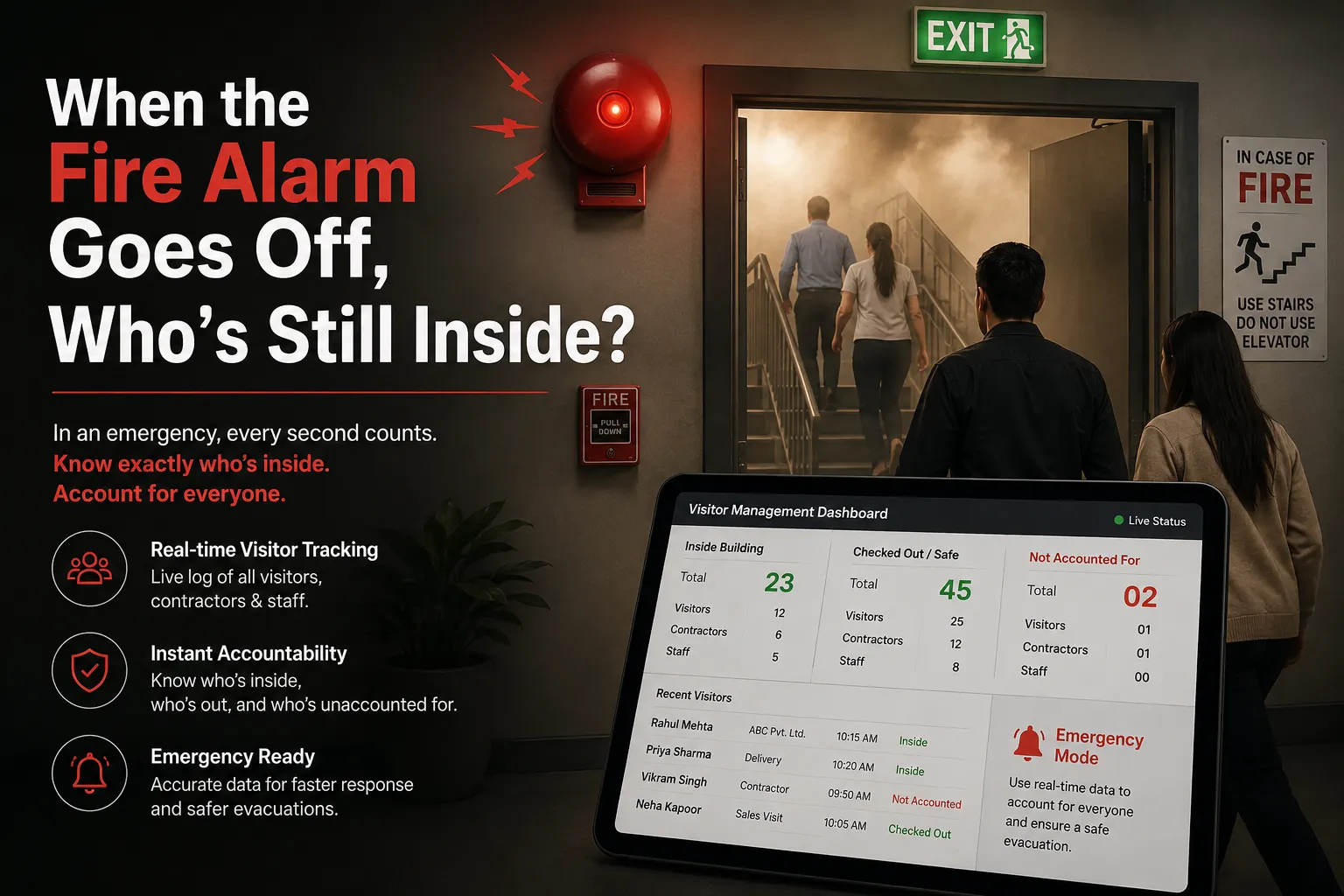

A fire alarm goes off. Your building starts emptying. And your safety team stands outside, with a clipboard—guessing. That’s still the reality in many workplaces today. Paper visitor logs, manual headcounts, shouted roll calls—none of which tells you, in real time, if everyone made it out safely. As workplaces get more complicated with hybrid schedules, third-party vendors, and multiple locations, this blind spot becomes a major risk.
Modern emergency evacuation software tools exists exactly for moments like these, to help you know that everyone who needs to be out is really out.
The Problem with Manual Evacuation Processes
When something happens, speed and accuracy matter more than ever. A manual process slows both down. A visitor who signed in on paper three hours ago might have already left – or still be on the fourth floor. That contractor who wandered in unexpectedly might not even be on any list at all.
Digital evacuation platforms solve this problem by keeping live occupancy records at every entry point. When the alarm goes off, your safety team can pull an instant head count, run digital mustering, and see exactly who isn’t checked out yet.
What to Look for in Evacuation Software
Not all platforms are created equal. Before picking one, consider a few practical questions: How many people do you need to account for? Visitor volume, contractor traffic and peak occupancy hours can all dictate what level of tracking you’ll really need.
Are your visitors and contractors getting tracked? Most employee systems don’t include them — but your evacuation software should!
Are you managing multiple locations? Multi-site ops need centralized dashboards with site-specific workflows, not just one building in mind.
What compliance obligations do you have? Audit-ready evacuation records & incident logs matter for OSHA-related requirements & internal safety reviews.
Where Workplace Safety Checklists Fit In
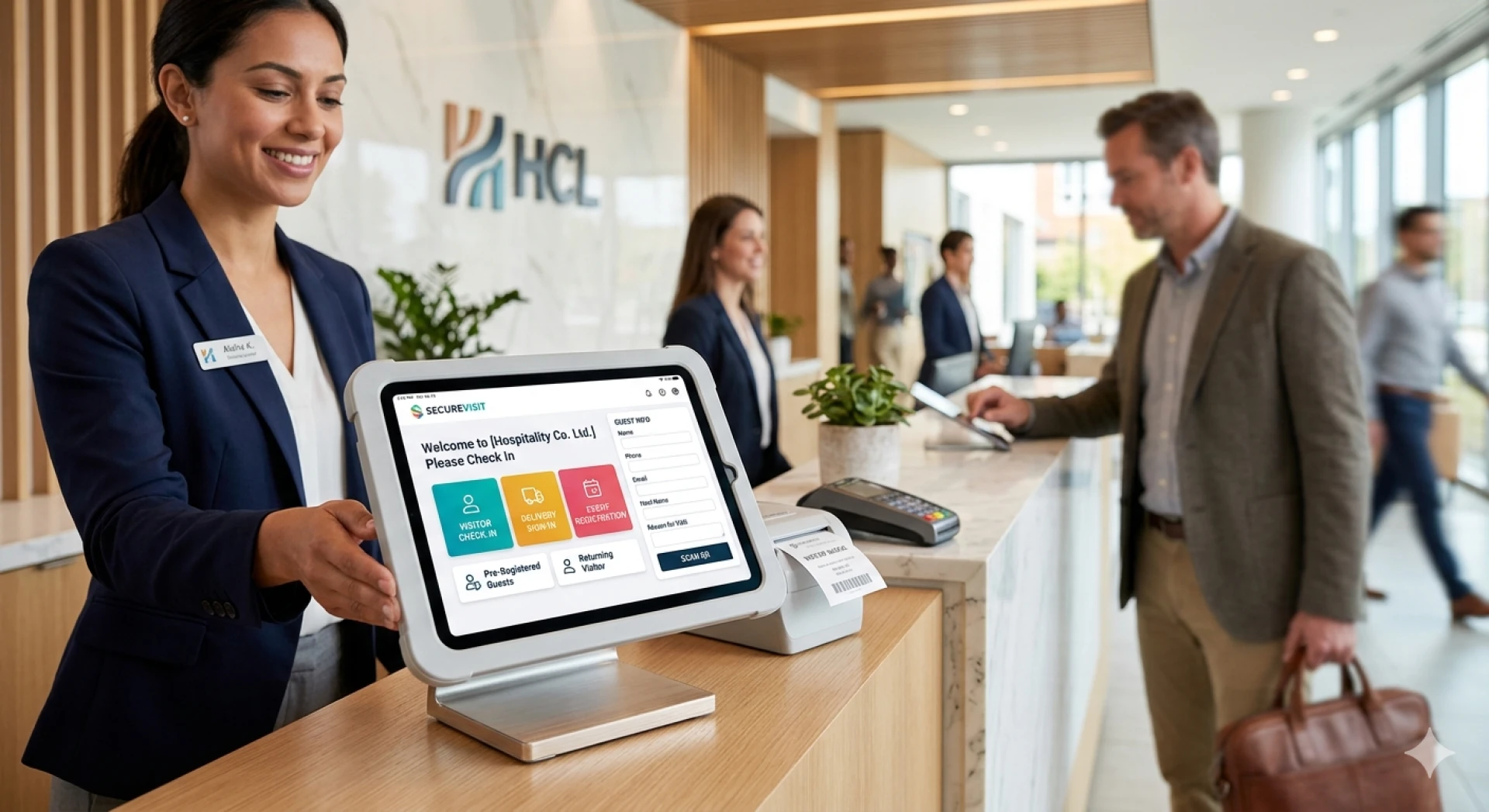
Strong emergency preparedness doesn’t begin when the alarm goes off — it begins before anyone arrives. Workplace safety checklists built into a visitor management system help you screen visitors and contractors during check-in, confirm they acknowledge your safety protocols, and document the entire process.
That turns check-in from a front desk formality into an active layer of preparedness. When an evacuation does happen, your records are already clean, timestamped, and complete.
Building a Safer Picture
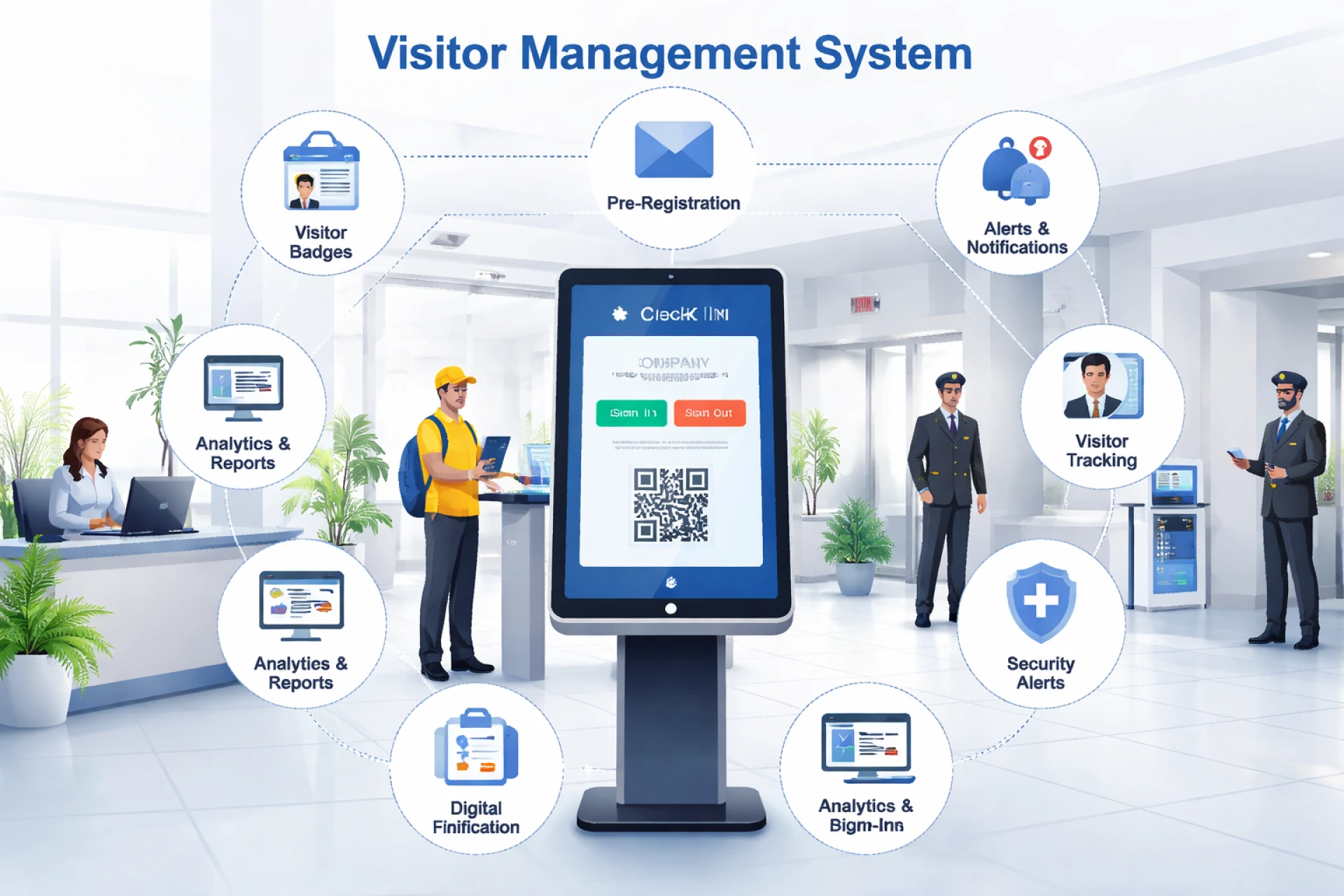
Platforms like Visitly combine visitor management, contractor tracking, digital mustering, and workplace safety checklists in one system — so safety teams aren’t stitching together spreadsheets when it matters most.
The question isn’t whether your workplace needs a better evacuation process. After the alarm goes off, it’s already too late to build one.

























Sign in to leave a comment.