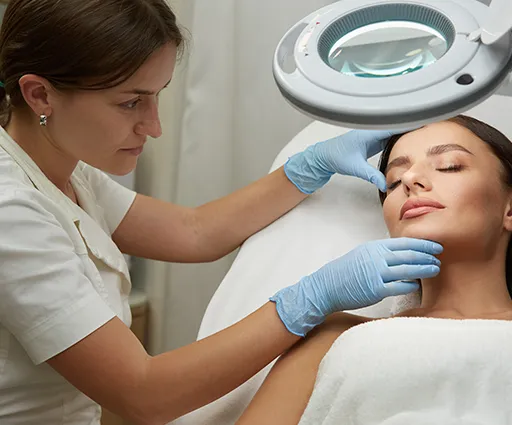

Dermatology is among the most competitive specialties today, offering varied career paths in dermatology practice, cosmetology, and research. If you are a healthcare professional looking to advance your knowledge and skills, undertaking a fellowship is one way to propel your career forward. One of the frequently asked questions is about when to apply for a fellowship in dermatology course. The right program at the right time can make a world of difference in career value.
In this guide, we will cover when to apply, eligibility requirements, preparation tips and how to make sure you get the right Clinical Fellowship in Dermatology that complements your career ambitions.
Understanding Fellowship in Dermatology
Dermatology fellowship is an advanced training program that focuses on the diagnosis and treatment of skin, hair, and nail disorders. It might also cover aesthetic dermatology, dermatosurgery and laser treatments.
This program is usually provided by well-known hospitals, dermatology clinics and institutes throughout India. A wise choice of your Fellowship in Dermatology will not only prepare you for practical experiences but also get theoretical preparation.
What is the Right Time to Apply?
When to apply can make a big difference in you getting accepted and in your overall learning experience. Here are six key stages at which you should consider applying:
After Completing MBBS
You can appear for dermatology fellowships after MBBS from some institutes, particularly the short-term (or) certificate ones. Applying for residency as soon as you finish your MBBS will help you gain foundational skills if your interest in dermatology is clear early on.
Note that higher-level programs often prefer applicants with postgraduate qualifications.
Post MD MS DNB After Postgraduate Degree
Most preferred time is after you complete your MD, MS or DNB in Dermatology or similar branch. At this stage:
- You have strong theoretical knowledge
- You understand clinical practices
- You are more prepared for higher training
This is where structured fellowship offers a full benefit, and further specialization can occur like dermatosurgery or cosmetic dermatology.
During Senior Residency
Most residents apply during their last year as a resident. This approach allows you to:
- Get hands on experience while studying for fellowship
- Strengthen your resume
- Map Out What You Want To Do In Dermatology
To avoid the bottleneck, if you’re aiming for a competitive program, apply during this phase.
After Gaining Work Experience
For those already working in such a setting, additional experience gained after employment may help turn your application into an acceptance! It helps you:
- Understand real-world patient cases
- Choose a subspecialty more confidently
- View full solution >>
Which is very beneficial for those looking to set up their own practice.
Application Timeline and Planning
In India, most fellowship programmes will have a designated intake cycle — though some institutes may offer rolling admissions. Here’s how you can plan:
- Research institutes and develop a shortlist of programs: 6–12 months before application
- 3–6 months prior: Prepare documents (CV, certificates, recommendation letters etc).
- 1–2 months before: Apply and interview
It is always best to apply early, this increases your chances of getting a seat in reputed institutions.
Eligibility Criteria
Eligibility varies for each of the institutes, but some common requirements are:
- MBBS qualification from an approved institution
- MD/MS/DNB in Dermatology (for advanced programs only)
- Valid medical registration
- Pertinent clinical experience (optional)
You need to meet these at the right time to ensure a smoother application process.
Factors to Consider Before Applying
Before you determine when to apply, keep these things in mind:
Career Goals
Are you interested in clinical practice, cosmetology or research? The appropriate time and nature of fellowship will depend on your goal.
Type of Program
Short-term programs can be taken sooner; long, intensive fellowships are best after post-graduate studies.
Personal Readiness
Make sure you are mentally and professionally ready to dedicate time to the program.
Advantages of Knowing the Right Time to Get a Job
However, there are a number of benefits you get when applying at the right time in your career:
- Prior knowledge leads to better learning outcomes
- Increased chances of admission in emerging institutes
- Improved career opportunities post fellowship
- Enhanced confidence in clinical practice
By timing yourself well in each of these areas, you can maximize your fellowship experience.
Career Opportunities After Fellowship
If you complete a fellowship in dermatology, you may pursue positions like:
- Consultant dermatologist
- Aesthetic specialist
- Dermatosurgeon
- Academic faculty
- Private clinic owner
In India, the dermatology professionals are well in demand due to the rise in skin and cosmetic treatments.
Final Thoughts
When to apply for a fellowship is as important a decision as which dermatology line you choose. Regardless of when you apply — after MBBS, postgraduate education or work experience — the important thing is to match your calling with your career goals and readiness.
With proper preparation and careful selection of the Clinical Fellowship in Dermatology, these attitudes become a constructive base for a prosperous and fulfilling career in this changing domain.






























Sign in to leave a comment.