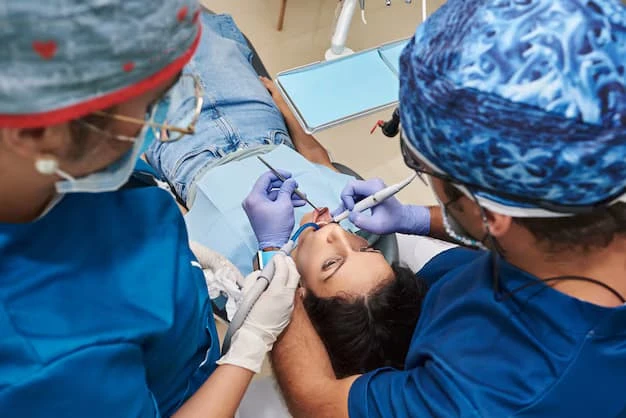

Dental emergencies can occur without warning and often require immediate professional attention. Knowing when to contact an emergency dental surgeon is essential for preventing serious complications and protecting oral health. While some dental issues can wait for a routine appointment, others demand urgent care to relieve pain, stop bleeding, or save a tooth. Understanding the signs of a true emergency helps individuals respond quickly and make informed decisions. Prompt action not only reduces discomfort but also improves the chances of successful treatment. This guide explains the situations that require emergency dental care and what to expect when seeking help.
Understanding Dental Emergencies
What Qualifies as a Dental Emergency
A dental emergency is any situation that requires immediate attention to relieve severe pain, stop ongoing bleeding, or prevent permanent damage. These issues often arise suddenly and can worsen quickly if left untreated.
Common examples include intense tooth pain, significant swelling, or trauma to the mouth. Infections that cause fever or difficulty swallowing may also be considered emergencies.
Not all dental concerns require urgent care. Minor sensitivity or small chips may be addressed during a regular visit. However, it is important to recognize when symptoms indicate a more serious problem.
An emergency dental surgeon is trained to assess and treat these urgent conditions effectively. Their expertise ensures that patients receive the care they need without delay.
Understanding what qualifies as an emergency helps individuals act quickly and avoid unnecessary complications.
Overall, recognizing the severity of a dental issue is the first step in seeking appropriate care.
Risks of Delaying Treatment
Delaying treatment for a dental emergency can lead to serious consequences. What may start as a minor issue can quickly develop into a more complex problem.
Infections, for example, can spread to surrounding tissues and even other parts of the body. This can pose significant health risks if not addressed promptly.
Ignoring severe pain or swelling may result in permanent damage to teeth or gums. In some cases, a tooth that could have been saved may need to be removed.
Delays can also increase the cost and complexity of treatment. More advanced procedures may be required if the condition worsens.
Prompt care helps prevent these complications and ensures better outcomes.
Overall, seeking immediate treatment is essential for protecting both oral and overall health.
Common Situations That Require an Emergency Dental Surgeon
Severe Tooth Pain and Infection
Persistent and severe tooth pain is one of the most common reasons to seek emergency dental care. This type of pain may indicate an underlying infection or advanced decay.
Infections can cause swelling, sensitivity, and discomfort that interferes with daily activities. If left untreated, they may spread and lead to more serious health issues.
An emergency dental surgeon can diagnose the cause of the pain and provide appropriate treatment. This may include removing the infection or addressing the damaged tooth.
Pain that does not respond to over the counter remedies should not be ignored. It is often a sign of a deeper problem.
Early intervention helps relieve discomfort and prevent further complications.
Overall, severe tooth pain is a clear indication that immediate care is needed.
Knocked Out or Broken Teeth
Dental trauma resulting in a knocked out or broken tooth requires urgent attention. Acting quickly can increase the chances of saving the tooth.
A knocked out tooth should be handled carefully and kept moist until professional care is received. Time is critical in these situations.
Broken teeth can expose sensitive inner layers, causing pain and increasing the risk of infection. Immediate treatment helps protect the tooth and restore its function.
An emergency dental surgeon is equipped to handle these cases with precision and care. They can reposition or repair the tooth as needed.
Delaying treatment may result in permanent damage or loss of the tooth.
Overall, dental injuries should always be treated as emergencies.
Uncontrolled Bleeding or Swelling
Excessive bleeding in the mouth is another situation that requires immediate attention. This may occur due to injury, surgery, or underlying conditions.
Swelling in the gums or face can indicate infection or trauma. Severe swelling may interfere with breathing or swallowing, making it a serious concern.
An emergency dental surgeon can identify the cause and provide treatment to control the symptoms.
Applying basic first aid measures can help manage the situation until professional care is available.
Ignoring these symptoms can lead to serious complications.
Overall, uncontrolled bleeding or swelling should never be overlooked.
Recognizing Warning Signs
Signs of Infection
Dental infections can present with various symptoms that should not be ignored. Common signs include persistent pain, swelling, and redness in the affected area.
Fever and a bad taste in the mouth may also indicate infection. These symptoms suggest that bacteria are present and need to be treated promptly.
Infections can spread quickly if left untreated, affecting surrounding tissues and overall health.
An emergency dental surgeon can diagnose the infection and provide appropriate treatment.
Early detection and intervention are key to preventing complications.
Overall, recognizing the signs of infection helps ensure timely care.
Difficulty Eating or Speaking
Problems with eating or speaking can indicate a serious dental issue. Pain or discomfort while chewing may suggest damage to teeth or gums.
Difficulty speaking clearly may be caused by swelling or injury in the mouth. These symptoms can affect daily life and should be addressed promptly.
An emergency dental surgeon can evaluate the condition and provide treatment to restore normal function.
Ignoring these issues may lead to further complications and prolonged discomfort.
Prompt care helps improve quality of life and prevent worsening conditions.
Overall, any disruption in normal oral function should be taken seriously.
What to Expect When Visiting an Emergency Dental Surgeon
Initial Assessment and Diagnosis
During an emergency visit, the dental surgeon begins with a thorough assessment of the condition. This includes examining the affected area and reviewing the patient’s symptoms.
Diagnostic tools such as imaging may be used to gain a clearer understanding of the problem.
The surgeon will ask questions about the onset and severity of the issue. This helps in determining the best course of action.
A clear diagnosis is essential for providing effective treatment.
Patients are informed about the findings and the recommended approach.
Overall, the initial assessment sets the stage for appropriate care.
Immediate Treatment and Relief
Once the diagnosis is made, the focus shifts to providing immediate relief. This may involve addressing pain, controlling infection, or repairing damage.
Treatment options vary depending on the condition. They may include procedures to restore or remove a tooth, as well as medications to manage symptoms.
Pain management is a priority to ensure patient comfort during the procedure.
The surgeon explains each step to help patients feel informed and reassured.
Quick and effective treatment helps stabilize the condition and prevent further issues.
Overall, immediate care is aimed at resolving the emergency and restoring oral health.
Preventing Dental Emergencies
Maintaining Good Oral Hygiene
Good oral hygiene is essential for preventing many dental emergencies. Regular brushing and flossing help remove plaque and reduce the risk of decay and infection.
Routine dental checkups allow for early detection of potential issues. This helps address problems before they become emergencies.
Using proper techniques and tools ensures effective cleaning and protection of teeth and gums.
A consistent oral care routine supports long term dental health.
Education on hygiene practices can help individuals maintain healthy habits.
Overall, prevention starts with proper daily care.
Protecting Teeth During Activities
Taking precautions during physical activities can help prevent dental injuries. Wearing protective gear such as mouthguards reduces the risk of trauma.
Avoiding habits such as chewing hard objects can also protect teeth from damage.
Supervision and safety measures are important for children during play and sports.
Being mindful of risks helps reduce the likelihood of accidents.
Preventive measures contribute to overall oral health and safety.
Overall, protecting teeth during activities is an important aspect of prevention.
Conclusion
Knowing when to call an emergency dental surgeon can make a significant difference in protecting oral health and preventing complications. Recognizing the signs of a dental emergency and seeking prompt care ensures effective treatment and relief from discomfort. From severe pain and infections to injuries and swelling, timely intervention is essential for achieving the best outcomes. Understanding what to expect during an emergency visit also helps reduce anxiety and improve the overall experience. By maintaining good oral hygiene and taking preventive measures, individuals can reduce the risk of emergencies. For those in need of reliable and professional dental care, lagunaniguelsmilesdentistry is a trusted option to consider.





























Sign in to leave a comment.