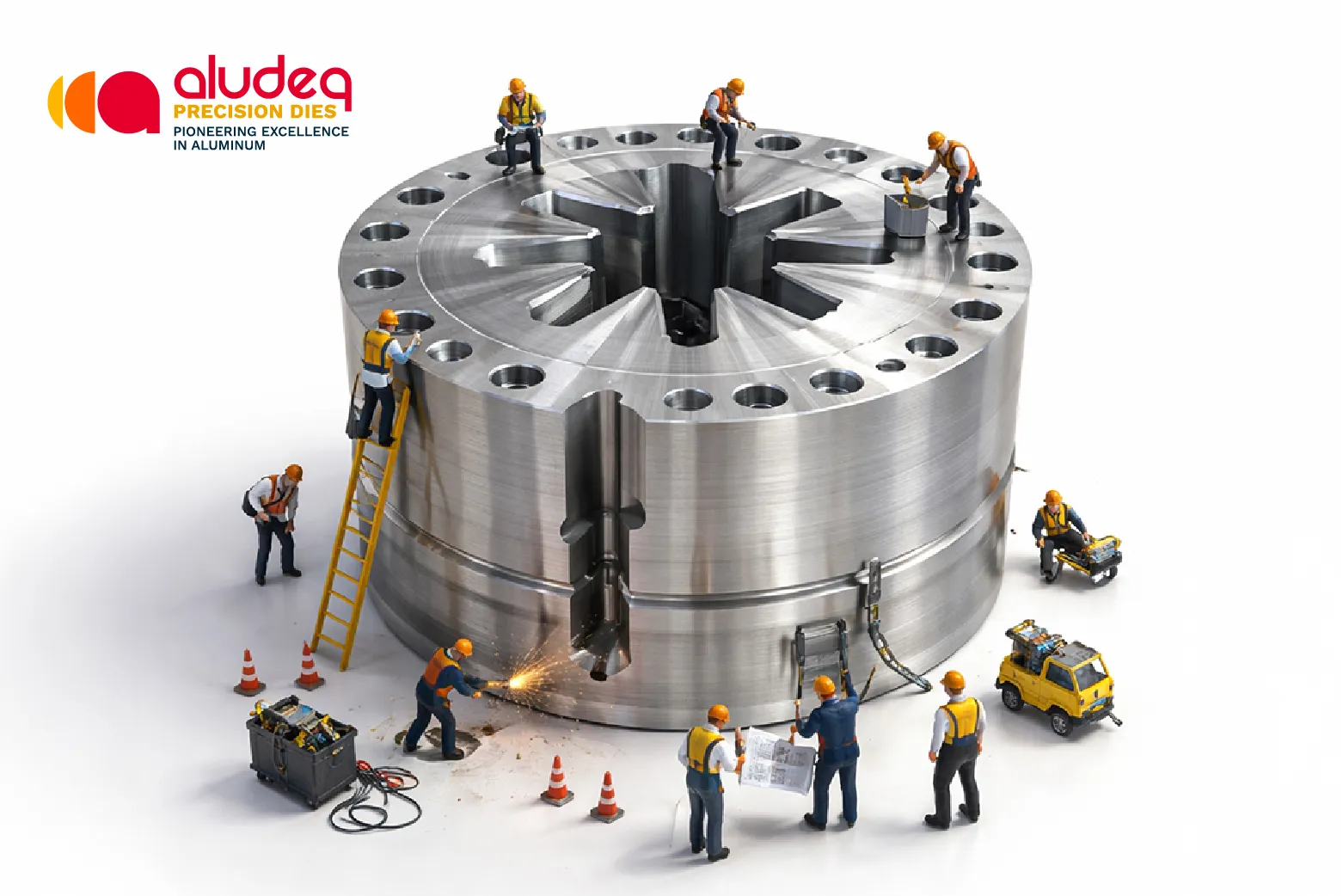


In the aluminium extrusion industry, selecting the right die type is critical to achieving optimal product performance, structural strength, and manufacturing efficiency. Among the various die types available, Solid Extrusion Dies are widely preferred for producing simple, strong, and high-precision profiles. Understanding when to use these dies can significantly enhance output quality while minimizing production challenges.
What Are Solid Extrusion Dies?
Solid Extrusion Dies are designed to produce solid cross-sectional profiles without any internal cavities. Unlike hollow or semi-hollow dies, these dies consist of a single-piece structure that shapes the aluminum billet as it passes through the die opening. This simplicity in design makes them highly effective for producing robust components with consistent properties.
When to Use Solid Extrusion Dies
1. For Maximum Structural Strength
One of the primary reasons to choose Solid Extrusion Dies is when strength is a top priority. Since the extruded profile does not contain hollow sections, the material distribution is uniform throughout the cross-section. This results in higher load-bearing capacity and improved mechanical performance. Applications such as structural frameworks, support beams, and industrial components benefit greatly from this die type.
2. When Producing Simple and Compact Profiles
If the design requirement involves solid shapes like rods, bars, or simple geometric sections, Aluminium Extrusion Dies in solid form are the most suitable choice. These dies are optimized for straightforward profiles, ensuring smooth metal flow and reducing complications during extrusion.
3. To Achieve Superior Dimensional Accuracy
Precision is crucial in extrusion, especially for industries like automotive and aerospace. Dimensional accuracy control is easier to maintain with solid dies because the metal flow is more predictable and uniform. The absence of internal bridges or mandrels eliminates variables that can cause dimensional inconsistencies, leading to tighter tolerances and better product quality.
4. For Reduced Extrusion Defects
Using Solid Extrusion Dies helps in achieving Reduced extrusion defects such as surface cracks, distortion, and uneven flow lines. The simpler design minimizes stress points within the die, allowing the aluminium to flow evenly. This results in smoother surface finishes and fewer post-processing requirements, ultimately saving time and cost.
5. When High Production Efficiency Is Required
Solid dies are easier to manufacture, maintain, and operate compared to complex die types. Aluminum Extrusion Die Makers often recommend solid dies for high-volume production runs because they offer faster setup times and lower maintenance needs. This leads to improved productivity and reduced downtime in manufacturing facilities.
6. For Cost-Effective Manufacturing
Cost efficiency is another key factor. Since solid dies have a simpler construction, they are less expensive to produce and repair. Additionally, their durability ensures a longer service life, reducing the frequency of replacements. For manufacturers looking to optimize costs without compromising on quality, solid dies are an excellent choice.
7. When Consistent Metal Flow Is Critical
Uniform metal flow is essential for maintaining product integrity. Aluminium Extrusion Dies designed for solid profiles allow consistent pressure distribution across the die face. This ensures that the material flows evenly, preventing issues like warping or uneven thickness.
Advantages of Solid Extrusion Dies
- Higher strength profiles due to solid cross-sections
- Improved Dimensional accuracy control
- Lower chances of defects, ensuring Reduced extrusion defects
- Faster production cycles and higher efficiency
- Lower tooling and maintenance costs
- Enhanced surface finish and quality consistency
Limitations to Consider
While Solid Extrusion Dies offer numerous benefits, they are not suitable for all applications. Profiles that require hollow sections, internal channels, or complex geometries will need hollow or semi-hollow dies. Choosing the wrong die type can lead to production inefficiencies and compromised product performance.
Role of Aluminum Extrusion Die Makers
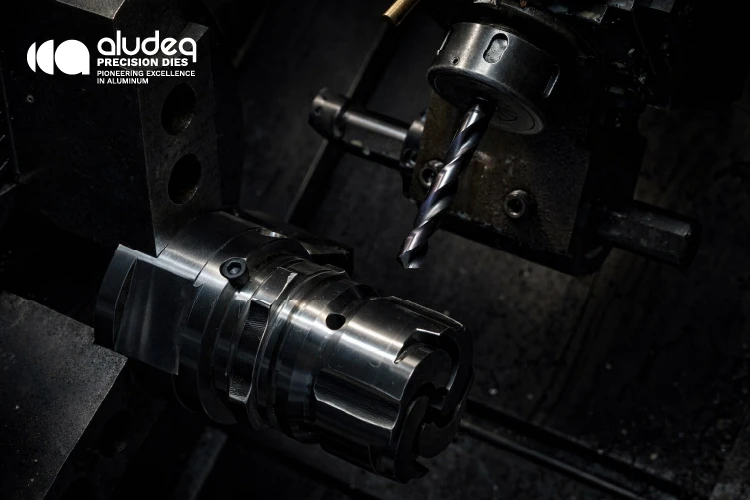
Experienced Aluminum Extrusion Die Makers play a crucial role in determining the right die design based on application requirements. Their expertise ensures that the die not only meets design specifications but also enhances productivity and reduces operational challenges. From material selection to precision machining, every aspect of die manufacturing impacts the final extrusion outcome.
Best Practices for Using Solid Extrusion Dies
- Ensure proper billet temperature for smooth metal flow
- Maintain die surface quality to avoid imperfections
- Regularly inspect and service dies to extend lifespan
- Use advanced lubrication techniques to reduce wear
- Implement process monitoring for consistent results
Conclusion
Choosing the right die type is fundamental to achieving optimal results in aluminium extrusion. Solid Extrusion Dies are ideal for applications that demand strength, precision, and efficiency. Their ability to deliver consistent performance, maintain Dimensional accuracy control, and ensure Reduced extrusion defects makes them a preferred choice for many manufacturers.
For businesses looking to enhance extrusion quality and productivity, working with experienced Aluminum Extrusion Die Makers is essential. Companies like Aludeq Precision Dies and Tooling specialize in delivering high-quality Aluminium Extrusion Dies that are engineered for performance, durability, and efficiency, helping manufacturers stay competitive in a demanding market.

























Sign in to leave a comment.