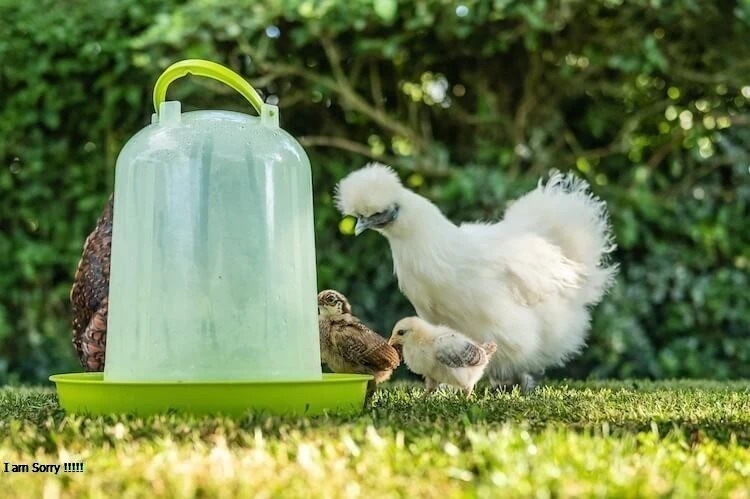

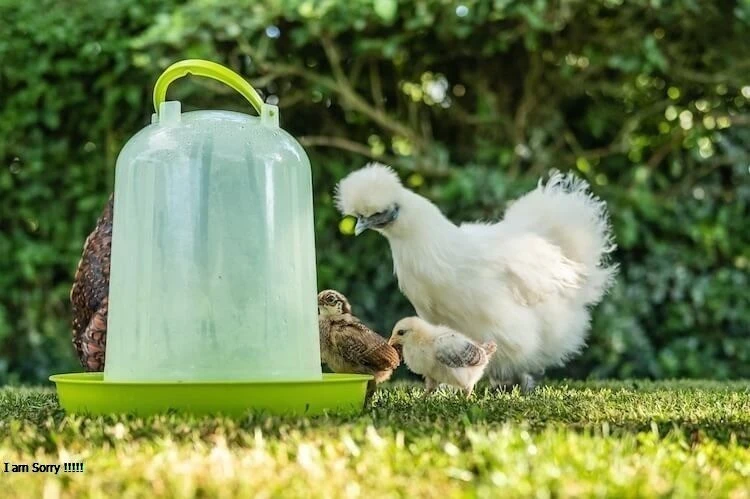
When Water Turns to Ice, Your Chickens Suffer
Imagine stepping into your backyard on a frosty winter morning to check on your flock. You’ve bundled up against the cold, but your chickens have no such luxury. They huddle in the corner of the coop, avoiding the waterer that’s now a solid block of ice. As temperatures drop, so does their access to the most essential nutrient—clean drinking water.
Water is critical to every bodily function in chickens—from digestion to egg production—and even a few hours without it can lead to serious health consequences. The colder months don’t just test your resilience as a chicken keeper; they challenge your flock’s survival.
This is where Heated Chicken Waterers come into play. These specially designed solutions ensure that your flock has access to unfrozen water even during the harshest winters. For anyone raising chickens in cold climates, they’re not just a convenience—they’re a necessity.
The Hidden Cost of Freezing Water in Winter
Freezing temperatures are more than a seasonal nuisance—they can silently undermine your chickens' health and productivity. Chickens need water to maintain body temperature, stay hydrated, and digest food properly. Without it, the risk of dehydration increases dramatically, leading to stress, lower egg production, and in severe cases, even death.
Traditional Chicken Waterers—whether they’re galvanized metal or plastic—quickly become ineffective once the temperature dips below freezing. Even diligent flock owners who replace water multiple times a day often struggle to keep up with how quickly it turns to ice. Breaking and refilling frozen containers becomes a laborious, sometimes dangerous chore, especially when temperatures plummet in the early morning or overnight.
Additionally, the stress of inconsistent water access affects the birds' immune systems, making them more vulnerable to illnesses during winter. What seems like a minor inconvenience is actually a critical animal welfare issue—and that’s why relying on a waterer that works all year long is so important.
Why Traditional Chicken Waterers Fall Short in Cold Weather
Most backyard chicken keepers start with basic gravity-fed or hanging waterers, which work perfectly fine in mild weather. However, these standard chicken waterers aren’t built to handle the challenges of winter. The water freezes quickly, often within an hour in subzero temperatures, leaving chickens with no access to hydration until the water is manually replaced.
Many poultry owners attempt DIY fixes—like wrapping cords around waterers or using heat lamps—but these methods come with serious safety risks, including the possibility of fire or electrical hazards. Others try insulating their coops more or bringing waterers inside at night, which creates extra work and still doesn’t guarantee round-the-clock access.
Inconsistent water supply leads to reduced feed intake, stress-induced behaviors like feather pecking, and poor egg shell quality. Chickens may also stop laying altogether if they become too dehydrated. Clearly, an effective solution is needed—one that keeps water in its liquid state without risking your flock's safety or requiring round-the-clock maintenance.
Heated Chicken Waterers: A Simple, Smart Winter Solution
Here’s where Heated Chicken Waterers truly shine. These devices are built specifically to keep water from freezing, no matter how cold it gets. Using thermostatically controlled elements, they automatically turn on when temperatures dip below a certain threshold, maintaining a constant temperature that prevents ice from forming.
There are several types of heated waterers available:
- Heated bases for use with metal waterers
- All-in-one heated plastic containers with built-in heaters
- Battery or solar-powered waterers for off-grid setups
Most modern models are energy-efficient and safe, offering peace of mind for chicken owners. Plus, they reduce your workload dramatically—no more early morning ice-breaking missions or late-night water swaps. Just plug it in, fill it up, and rest assured your birds will have fresh water whenever they need it.
Heated chicken waterers are not just a luxury for cold climates—they’re a smart, responsible investment in your flock’s year-round health and productivity.
Top Benefits of Using Heated Chicken Waterers
If you’re on the fence about upgrading your setup, here’s a quick breakdown of the biggest advantages heated waterers bring:
1. Reliable Access to Water ;Chickens never have to go without hydration, even during cold snaps or snowstorms. This supports digestion, egg laying, and overall health.
2. Labor-Saving Convenience ;No more running out to thaw frozen water. Heated waterers work automatically, freeing up your time and effort during winter months.
3. Safety-First Design ;Designed with winter use in mind, these products minimize fire risk, unlike DIY setups involving heat lamps and extension cords.
4. Better Flock Health ;Dehydration can trigger a cascade of issues—from egg production drop to respiratory infections. Heated waterers help prevent these problems before they start.
5. Long-Term Investment ;High-quality heated chicken waterers are built to last and pay for themselves in time saved, reduced stress, and healthier birds.
Choosing the Right Heated Chicken Waterer for Your Flock
With so many options on the market, it’s important to choose a heated waterer that fits your setup and your birds’ needs. Consider these factors:
- Flock size: Larger groups need higher-capacity waterers to reduce refilling frequency.
- Power source: Do you have reliable electricity in your coop, or do you need a solar/battery-powered model?
- Coop layout: Will the waterer sit on the ground or hang? Does it need to be portable?
- Cleaning ease: Choose models that are easy to disassemble and sanitize.
- Durability: Look for weather-resistant, shatterproof plastic or metal components.
A well-chosen heated waterer can make the difference between daily winter stress and effortless care. Read reviews, consult other chicken keepers, and consider your local climate before making your final choice.
Winter Maintenance Tips for Heated Chicken Waterers
Even the best heated waterers require a bit of care to perform optimally through winter. Here’s how to keep them running smoothly:
- Clean regularly: Prevent buildup of dirt or algae, which can block drinking ports or strain heating elements.
- Check cords and plugs: Inspect electrical components for wear or damage.
- Protect from snow and wind: Place waterers in sheltered areas to reduce exposure and energy use.
- Test the thermostat: Occasionally verify that the heater turns on when it should.
Also, keep a backup plan in case of a power outage—a small generator, extra jugs of water, or a temporary heated base can help in emergencies.
Conclusion: Keep Your Flock Thriving All Winter Long
Winter shouldn’t be a season of constant worry for you—or your chickens. Freezing water is a common yet serious issue that can disrupt your flock’s health and daily routines. But with Heated Chicken Waterers, you eliminate that concern entirely, ensuring your birds stay hydrated, healthy, and productive through the coldest months of the year.
Unlike traditional chicken waterers, which struggle against freezing temperatures, heated models offer a safe, reliable, and low-maintenance solution. They not only protect your chickens but also give you peace of mind.
Don’t wait for the next freeze to upgrade—prepare your coop today with the right heated watering system. Your chickens will thank you with clucks, contentment, and a steady supply of eggs.




















Sign in to leave a comment.