
Finding out your kid needs speech therapy hits different than you expect. It's not just about pronunciation. It's about connection. About them being understood.
You probably spent weeks, maybe months, telling yourself they'd catch up. That every kid develops at their own pace, right? And then someone - a pediatrician, a teacher, maybe your gut - says it's time to get help.
Now you're here. Trying to figure out what speech therapy even means for a kid on the spectrum. Wondering if this is going to help or just be another appointment on an already packed calendar.
What Speech Therapy for Autism Actually Addresses
Communication challenges with autism spectrum disorder range everywhere. Some kids are completely nonverbal. Others talk fluently but miss social cues. Many fall somewhere in between.
Speech Therapy Treatment for Children on the spectrum isn't one-size-fits-all. It might involve alternative communication methods like picture systems. It might focus on social language - understanding tone, taking turns in conversation, reading facial expressions.
The goal isn't making your kid "normal." It's giving them tools to communicate effectively in whatever way works for their brain.
Beyond Words Themselves
Speech Therapy for Social Language matters as much as pronunciation. Your kid knowing how to form sentences is great. Your kid understanding when someone's joking versus serious? That's the difference between functioning in social situations or being constantly confused.
Social communication includes understanding body language, knowing how to start and end conversations, recognizing when someone's interested versus just being polite.
What Therapy Sessions Look Like
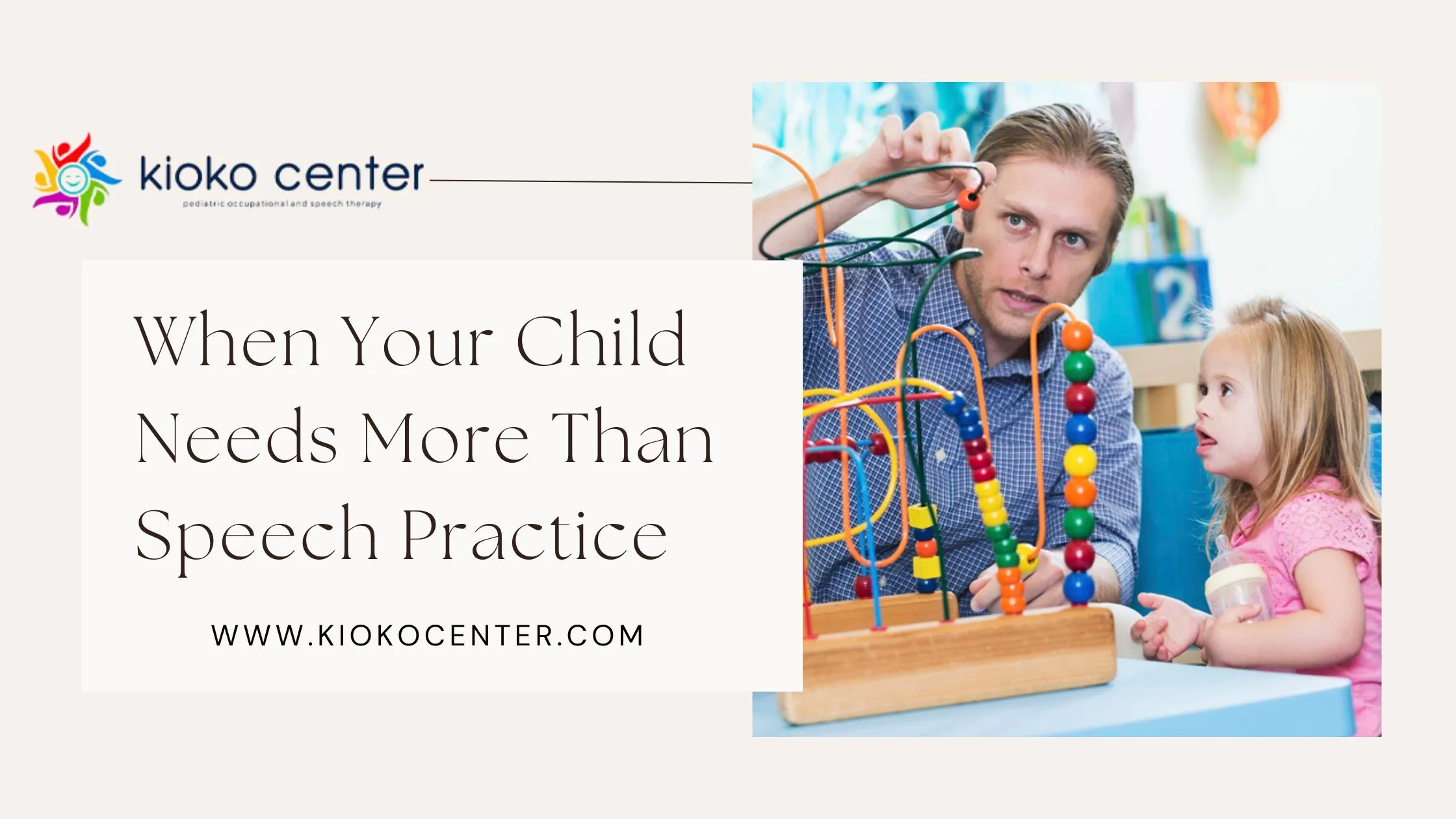
Modern speech therapy uses play. Games. Activities that feel fun while building specific skills.
A certified speech-language pathologist with autism experience knows how to meet your kid where they are. If they're overwhelmed by eye contact, they're not forcing it. If they communicate better through movement, they're incorporating that.
Parent Involvement Changes Everything
Therapists work with your family, not just your child. They're teaching you strategies to support communication at home. Because therapy happens a few times a week. Life happens every day.
You learn how to create communication opportunities. How to respond when your child gets frustrated. How to expand their communication attempts without pressuring them.
The Different Approaches Available
Picture Exchange Communication System (PECS) works for nonverbal kids who need to communicate basic needs. Instead of trying to force words, they learn to hand someone a picture. Want juice? Hand over the juice picture.
Some kids use speech-generating devices. Tablets or communication devices with voice output. The kid taps pictures or types, device speaks for them.
Social stories and video modeling help with confusing social situations. Kids watch examples first. They practice responses without the pressure of doing it live.
Why Early Intervention Matters
Young brains are more flexible. Skills picked up early become the foundation for everything else. But older kids and adults still make real progress with good support.
When you address communication challenges early, you prevent frustration from piling up for years. Kids who can't express themselves lash out. Once they have actual communication tools? Behavior usually improves.
Setting Realistic Expectations
Progress isn't linear. Some weeks look amazing. Others feel like backsliding. That's normal development, especially with neurodivergent kids.
Celebrate small wins. Your kid made eye contact while requesting something. They used two words together. These are huge.
The goal is functional communication and quality of life. Not meeting some arbitrary checklist. Your kid reaching their potential, whatever that looks like for them. Visit The Kioko Center for more.




















Sign in to leave a comment.