
As the agricultural landscape across the United States evolves, traditional livestock farming is undergoing a transformative shift. The demand for environmentally sound and ethically sourced animal products is driving farmers and ranchers towards more sustainable practices. From soil health to animal welfare, water conservation to emission reduction, sustainability in livestock farming is not just a trend—it's becoming an essential strategy for long-term viability.
Farms across the country are now seeking ways to balance productivity with responsibility. And fortunately, a growing body forms like livestock monitoring system—are helping producers implement practical solutions that benefit their land, animals, and bottom line. But what exactly does sustainable livestock farming look like in practice? And how can producers embrace these methods efficiently and effectively?
Key Points
- Sustainable livestock practices focus on balancing production with ecological responsibility.
- Benefits include improved animal health, reduced costs, and long-term profitability.
- Innovations in feed, waste management, and grazing design are transforming the industry.
- Farmers have access to resources and support networks that promote and assist with sustainable transitions.
- Policy and consumer trends are aligning more closely with environmentally conscious farming.
Understanding Sustainable Livestock Farming
Sustainable livestock farming refers to animal agriculture techniques that preserve environmental health, support economic profitability, and enhance animal and human well-being. These practices are designed to reduce greenhouse gas emissions, conserve soil and water, promote biodiversity, and maintain animal welfare standards.
Unlike conventional systems that may focus primarily on maximum output, sustainable models emphasize a more holistic view. Here, the goal is not only to raise livestock efficiently but to do so in ways that regenerate the ecosystem and provide long-term resilience.
Environmental Considerations
Animal agriculture is often scrutinized for its environmental footprint, particularly methane emissions from ruminants and the degradation of pasturelands. Sustainable methods address these issues by:
- Implementing rotational and managed intensive grazing to restore soil health.
- Capturing methane through biodigesters and manure management systems.
- Using cover crops and silvopasture systems to increase biodiversity and carbon sequestration.
Economic Sustainability
While transitioning to sustainable practices may incur short-term costs, the long-term benefits often outweigh the initial investment. Economically sustainable farms see improvements in herd health, reduced input costs, and access to premium markets that value transparency and sustainability.
Key Sustainable Practices in Livestock Farming
Rotational Grazing
One of the most widely adopted sustainable techniques, rotational grazing involves moving livestock between pastures to give vegetation time to recover. This boosts forage growth, enhances soil fertility, and reduces erosion.
Integrated Crop-Livestock Systems
These systems combine crop and animal production to create a synergistic loop. Livestock manure is used to fertilize crops, and crop residues serve as animal feed. This closed-loop approach decreases the reliance on synthetic fertilizers and increases farm efficiency.
Manure Management
Proper handling and utilization of manure can transform waste into a valuable resource. Composting or using anaerobic digesters not only reduces odors and pathogens but also produces renewable energy and nutrient-rich fertilizers.
Water Conservation
Livestock farming can be water-intensive, but technologies like drip irrigation, water reuse systems, and efficient watering troughs help minimize consumption. In arid regions, these methods are particularly crucial for sustaining agricultural productivity.
Improved Animal Welfare Practices
Animals raised in low-stress environments not only live healthier lives but also produce better quality products. Providing appropriate shelter, nutrition, space, and veterinary care is a cornerstone of sustainable farming.
The Role of Technology in Sustainable Livestock Farming
Technology is playing an increasingly vital role in helping farmers adopt sustainable practices without sacrificing productivity. From precision agriculture to artificial intelligence, tech solutions are enabling smarter decision-making and resource efficiency.
Precision Feeding Systems
These systems allow farmers to tailor diets to each animal’s needs, reducing waste and improving health. Automated feeders and RFID tracking can monitor consumption and growth, leading to better feed conversion ratios.
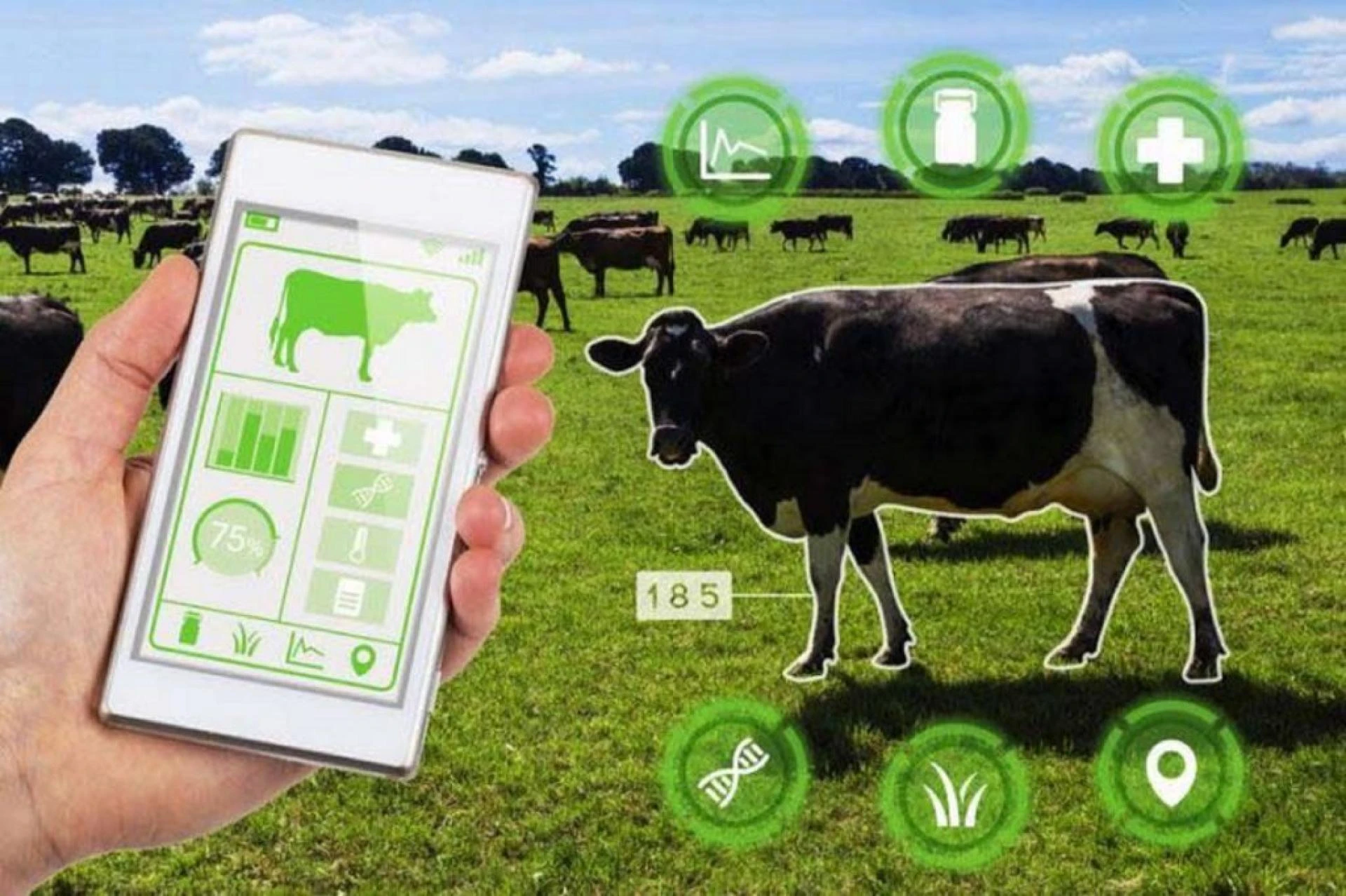
Remote Monitoring and Sensors
Temperature, humidity, and animal movement can now be tracked in real-time using IoT devices. This helps identify health issues early, reduce stress, and optimize resource use like water and feed.
Genetic Selection and Breeding
Advances in genetic tools help producers select animals with traits that improve feed efficiency, disease resistance, and low methane emissions—all contributing to a more sustainable herd.
Policy and Market Incentives
Government programs and private sector initiatives are increasingly rewarding sustainable livestock practices. The USDA provides grants and technical assistance through programs like EQIP (Environmental Quality Incentives Program) and CSP (Conservation Stewardship Program).
At the same time, consumer demand for ethically produced, eco-friendly food is driving market premiums. Labels such as ""Grass-Fed,"" ""Certified Humane,"" and ""Organic"" are gaining traction, offering farmers a competitive edge.
Challenges and Barriers to Adoption
Despite the clear benefits, transitioning to sustainable livestock farming is not without challenges:
- Initial capital investment for infrastructure and technology.
- Lack of access to reliable information and technical support in rural areas.
- Market volatility that can affect pricing and consumer demand.
- Resistance to change due to long-standing cultural and operational habits.
Overcoming these barriers requires collaboration between policymakers, extension services, researchers, and the farming community. Educational platforms and online resources like Livestockway provide knowledge-sharing opportunities, case studies, and expert advice tailored to the unique challenges of livestock monitoring system operations in the U.S.
Case Studies: Sustainability in Action
White Oak Pastures, Georgia
This multi-generational family farm transitioned from a conventional cattle operation to a regenerative model. They now incorporate rotational grazing, compost their waste, and practice biodiversity through multi-species grazing—all while increasing profitability and community engagement.
Straus Family Creamery, California
As the first certified organic dairy in the western U.S., Straus Family Creamery uses methane digesters to power farm equipment and reduce greenhouse gases. Their closed-loop system showcases how small-scale dairies can lead the way in sustainability.
Getting Started with Sustainable Livestock Farming
Farmers interested in transitioning to sustainable operations should take a phased approach. Here are actionable steps to begin:
- Assess your current practices: Identify areas where resource use is high or could be optimized.
- Set measurable goals: Whether it's reducing feed waste, improving pasture health, or lowering emissions.
- Seek education and support: Attend workshops, join local extension programs, or consult reliable resources like Livestockway.
- Start small: Implement one or two sustainable practices and scale up based on results and feedback.
- Monitor and record data: Track your progress to verify improvements and make informed decisions.
Frequently Asked Questions (FAQ)
What is the biggest benefit of sustainable livestock farming?
The most significant benefit is long-term farm viability. Sustainable practices enhance soil health, reduce operational costs, improve animal welfare, and open up access to premium markets.
Do sustainable practices reduce productivity?
Initially, some changes may slightly reduce output, but over time, higher efficiency and improved ecosystem services usually lead to stable or even increased productivity.
Is sustainable livestock farming only for large farms?
No. Small and mid-sized farms can often implement sustainable methods more flexibly. In fact, many innovative practices are more cost-effective on a smaller scale.
How long does it take to see the results of sustainable changes?
Some improvements, like healthier animals or reduced feed costs, may be noticeable within months. Others, such as improved soil health, can take several years but offer lasting benefits.










Sign in to leave a comment.