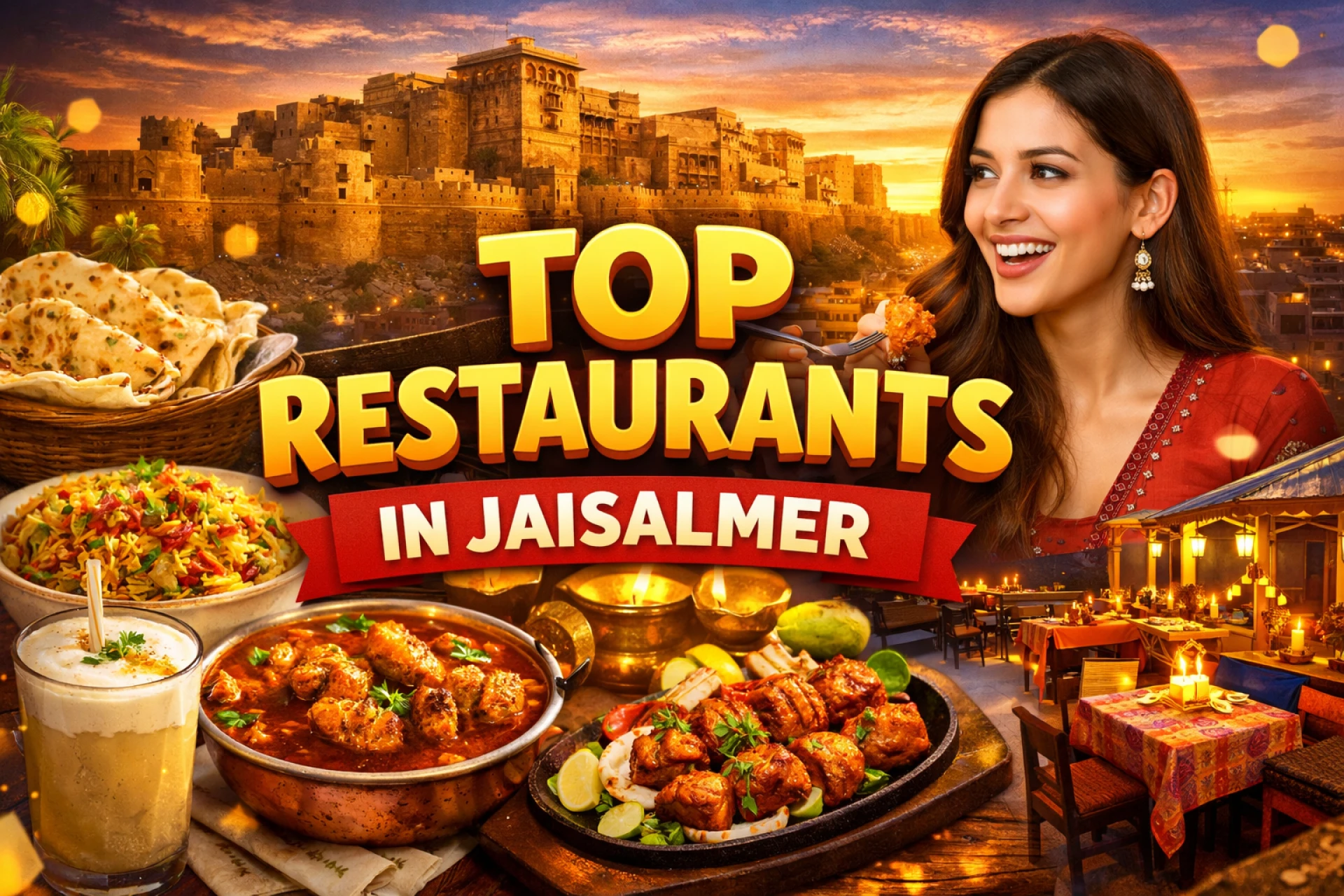
The Golden City: Where History and Flavor Intertwine
Jaisalmer, known globally as the "Golden City," is more than just a cluster of yellow sandstone structures rising from the Thar Desert. It is a living museum where centuries of Rajputana history meet a culinary heritage that is as resilient and vibrant as the people who call the desert home. The essence of Jaisalmer lies in its ability to preserve the old while welcoming the new, creating a unique atmosphere where tradition isn't just remembered—it is tasted.
Walking through the narrow, winding lanes of the fort, one can feel the weight of history in the air. This city was once a pivotal trading post on the Silk Road, a melting pot where spices, silks, and stories were exchanged. Today, that legacy lives on in the local kitchens. The geography of the region—vast, arid, and beautiful—has dictated the local diet for generations, resulting in a cuisine that prioritizes ingredients with long shelf lives and bold, sun-dried flavors.
The Soul of Thar: Understanding Jaisalmer’s Cuisine
Traditional Jaisalmer cuisine is a masterclass in adaptation. In a land where water was historically scarce and fresh greens were a seasonal luxury, the locals turned to indigenous flora like ker (a desert berry) and sangri (a desert bean). These ingredients, often dried and stored for years, form the backbone of the iconic dish Ker Sangri. Slow-cooked with yogurt and a blend of earthy spices, it offers a tangy, spicy profile that is quintessentially Rajasthani.
Another staple is the use of gram flour (besan), which replaces more water-intensive crops. From the melt-in-the-mouth Gatte ki Sabzi to the crispy Papad ki Sabzi, the ingenuity of the desert cook is boundless. Meat also plays a significant role in the local diet, particularly for the warrior clans of the past. Laal Maas, a fiery mutton curry prepared with a special variety of Mathania chilies, remains the gold standard for those seeking an authentic taste of the royal hunt.
A Sanctuary of Comfort and Culture
While the rugged beauty of the desert is the primary draw, the modern traveler seeks a balance between raw authenticity and refined comfort. This is where the city's hospitality sector shines, bridging the gap between ancient stone walls and contemporary luxury. For those looking to immerse themselves in this blend of eras, finding a luxury hotel in jaisalmer is essential to the experience.
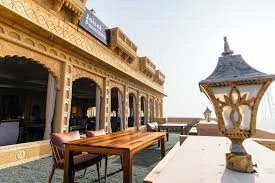
Hotel Durjay Garh stands as a testament to this balance. Built with the same golden sandstone that gives the city its name, the property offers guests a chance to live like modern royalty. It isn’t just about the plush bedding or the intricate carvings; it is about the feeling of being inside a fortress while enjoying the conveniences of the 21st century. The architecture pays homage to the intricate "Jali" work and expansive courtyards that characterized medieval Rajputana, ensuring that your stay is a continuation of the city's story.
Dining Under the Stars
No visit to Jaisalmer is complete without experiencing the magic of a desert sunset followed by a traditional meal. As the sky turns from a pale ochre to a deep indigo, the city lights up, and the silhouette of the Jaisalmer Fort becomes a majestic backdrop. The tradition of rooftop dining has become a hallmark of the city’s social life, offering views that are as intoxicating as the food.
For a truly memorable evening, a visit to the top restaurant in jaisalmer located within Hotel Durjay Garh is highly recommended. Here, the focus is on "Slow Food"—dishes that are allowed to simmer and develop deep, complex flavors over time. Sitting on the rooftop, with a cool desert breeze and the sound of local folk musicians playing the Kamaicha in the distance, the connection between the landscape and the plate becomes clear. It is a sensory journey that honors the past while celebrating the present.
The Sweeter Side of the Desert
While the savory dishes of Jaisalmer are bold and spicy, the city’s sweet treats provide a gentle, sugary contrast. The most famous of these is the Ghotua Ladoo. Made with roasted gram flour, mawa (condensed milk), and a secret blend of spices including cardamom and saffron, these laddoos are handcrafted using a traditional pounding method that gives them a unique, grainy texture.
Another local favorite is Makhania Lassi. Unlike the thin, drinkable lassis found elsewhere, Jaisalmer’s version is thick, creamy, and topped with a generous dollop of butter and saffron. It is almost a meal in itself and serves as the perfect coolant after a day spent exploring the sun-drenched havelis. These sweets are often shared during festivals and weddings, symbolizing the warmth and hospitality that Jaisalmer is famous for.
Preserving the Legacy for the Future
As Jaisalmer continues to grow as a global tourist destination, the challenge lies in preserving the authenticity of its culinary and architectural traditions. Local chefs and hoteliers are increasingly focusing on farm-to-table practices, sourcing wild berries and organic spices from nearby desert villages. By supporting these traditional supply chains, they ensure that the unique flavors of the Thar are not lost to globalization.
Establishments like Hotel Durjay Garh play a vital role in this preservation. By integrating traditional cooking methods with high-end service, they provide a platform for local artisans and cooks to showcase their skills to the world. Whether it’s through a meticulously prepared meal or the preservation of a historic building, the goal remains the same: to ensure that when a traveler visits Jaisalmer, they don't just see a city; they experience a legacy.
A Journey for the Senses
In Jaisalmer, every bite tells a story of survival, every building reflects a history of bravery, and every sunset promises a new perspective. It is a place where you can wander through ancient temples in the morning and retreat to a world-class suite in the evening. The intersection of tradition and taste is not just a marketing slogan here; it is a way of life that continues to enchant everyone who steps onto its golden sands.
The magic of the Golden City lies in these small details—the crunch of a papad, the spice of a curry, and the comfort of a well-appointed room. It is a destination that demands to be explored slowly, savored deeply, and remembered forever.































Sign in to leave a comment.