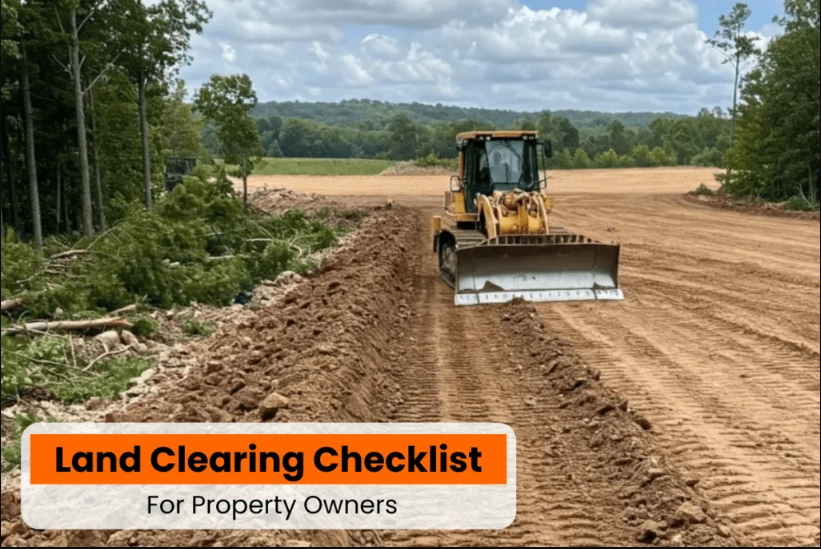
Whether you’re preparing your property for construction, landscaping, or simply aiming to reclaim overgrown land, proper planning before land clearing is crucial. Skipping essential steps can lead to safety hazards, unnecessary expenses, or even delays in your project. If you’re a property owner looking to make the process smooth and efficient, here’s a friendly guide on the key steps to follow.
Assess Your Property Thoroughly
Before any equipment comes in, take a close look at your property. Identify the types of trees, shrubs, and undergrowth you have. Consider any existing structures, utility lines, or drainage systems that could be affected. Mapping out your property helps you understand the scope of work and ensures that nothing critical is damaged during the land clearing process.
A professional land clearing company can provide an assessment and help identify potential challenges that may not be obvious at first glance.
Set Clear Goals for Land Clearing
Ask yourself: What’s the purpose of clearing your land? Are you preparing for a building project, creating open space, or improving the aesthetics of your property? Your goals will dictate the methods and tools used. For example, some tree clearing techniques are better suited for creating open space quickly, while others preserve soil health and minimize environmental impact.
Understand Legal and Environmental Requirements
Before you start removing trees and vegetation, make sure you’re compliant with local regulations. Certain trees may be protected, or permits may be required for large-scale land clearing. Additionally, consider any environmental impacts such as soil erosion, water runoff, or wildlife habitats.
A reputable land clearing company will be familiar with local laws and can help you navigate necessary permits, saving you time and avoiding potential fines.
Plan for Tree and Vegetation Removal
Different trees and plants require different removal techniques. Some may need to be cut at the base, while others require careful extraction to prevent root damage or soil disruption. Knowing the best tree clearing techniques for your property can save both time and money.
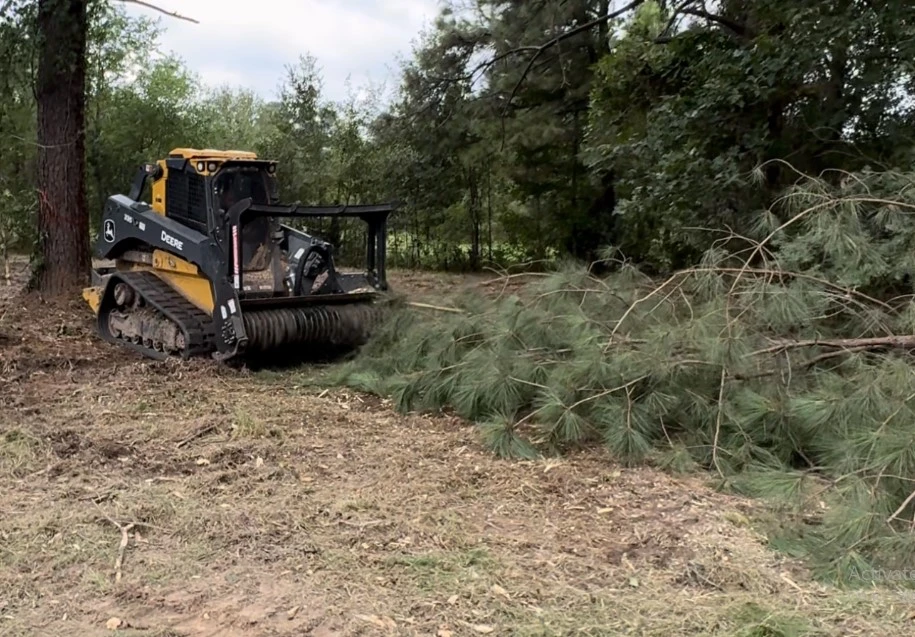
Mechanical mulching, hand cutting, and selective tree removal are a few techniques that a professional team can apply depending on the type and density of vegetation. This step also includes planning for debris disposal. Will you chip, mulch, or haul it away?
Prepare Your Equipment and Resources
Land clearing isn’t a simple DIY task unless it’s a very small area, you’ll likely need heavy machinery, safety gear, and possibly temporary fencing. Check that your equipment is ready and that operators are trained and licensed.
Working with a certified land clearing company ensures access to professional-grade tools and experienced operators who can carry out the work efficiently and safely.
Protect Your Property and Neighbors
Before starting, take steps to protect structures, driveways, and neighboring properties. Mark utility lines, put up barriers where necessary, and notify neighbors if the project may affect them. This not only prevents damage but also fosters good community relations.
Schedule Strategically
Timing matters. The best season for land clearing depends on your location and the type of vegetation. For instance, clearing during dry months can reduce machinery-related damage to the soil, while avoiding nesting seasons helps protect wildlife. Your land clearing company can advise on optimal timing based on experience and local conditions.
Post-Clearing Considerations
Once the land is cleared, consider soil stabilization, erosion control, and landscaping plans. Leaving the land bare can lead to issues like runoff or invasive plant growth. Proper post-clearing care ensures that your property remains safe and functional for its intended purpose.
Final Words
While DIY approaches may seem tempting, working with experts ensures efficiency, safety, and compliance with regulations. A skilled land clearing company brings knowledge of advanced tree clearing techniques, appropriate machinery, and experience in handling complex projects. Land clearing doesn’t have to be overwhelming if you follow these essential steps. From initial property assessment to hiring a professional team and planning debris removal, careful preparation ensures a smooth, safe, and effective project.












Sign in to leave a comment.