

A big fire can change fast. Other squads will safeguard surrounding structures and crews may need to rescue people. The incident commanders need to coordinate these actions and be aware of the changing situations.
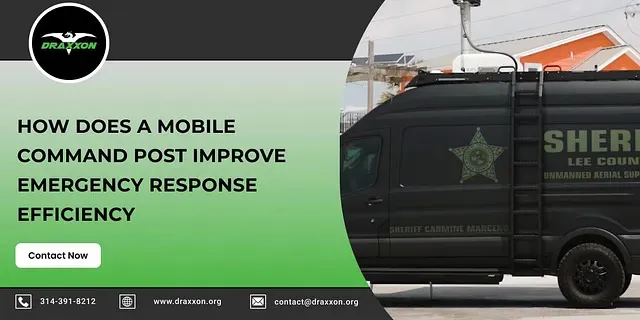
The fire mobile command center gives a specialised place to manage complex emergency operations. It can enable communication between field teams, and allow leaders to see the information before making choices.
Not all fires need a specific command truck. It is contingent upon the scope and the length of the incident. The decision also depends on the number of responding agencies.

1. Large Structure Fires and Multi-Building Emergencies
Coordinating Crews Across Multiple Locations
Fires in commercial buildings and residential complexes can produce several urgent jobs. Other crews attempt to limit the flames while firefighters may have to do rescues. Nearby properties may also need to be protected.
These actions are coordinated by incident commanders in a command area. They can check building plans and track team assignments. They can also update when the conditions change.
Managing Extended Firefighting Operations
Some structural fires burn for several hours. Some require many operational periods to render the scene safe.
A mobile command facility provides supervisors with a space to assess progress and prepare incoming teams. It can also help with resource tracking for lengthier incidents.
2. Wildfires and Fast-Moving Vegetation Fires
Monitoring Changing Fire Conditions
The combination of dry vegetation and high winds can spread wildfires swiftly. Fires near residential areas may demand evacuation plans and road closures.
During these activities, a fire mobile command center can provide mapping and communication support. Depending on its equipment, it can also enable teams to examine approved aerial photos and incoming field reports.
Coordinating Teams Across Large Areas
Often, a wildfire response involves multiple departments. Crews might protect houses and infrastructure across jurisdictions.
The hub of command enables leaders to coordinate assignments and monitor available resources. The vehicle should also be fit for the terrain on which it is to be used.
3. Hazardous Materials and Industrial Incidents
Sharing Information Between Response Teams
If there is a chemical release or industrial fire they need to be carefully coordinated. Responders shall identify hazards and set up suitable safety zones.
Fire departments may work with hazardous materials specialists and medical teams. The mobile command facility itself might be a shared space to monitor updates and coordinate responsibilities.
Supporting Decisions During High-Risk Operations
Such accidents may change the exposure hazards. Before changing the reaction, command staff must have accurate information.
A command vehicle can provide support for communications and incident documentation. It’s no substitute for professional detection equipment or normal hazardous materials procedures.
4. Natural Disasters and Multiple Emergencies
Establishing an Operational Base
Hurricanes and big storms can damage roads and interrupt local infrastructure. In the same region a fire department may receive a few emergency calls.
Where local facilities are no longer available, a mobile command unit may be used to provide an alternate operating base. Its effectiveness depends on the availability of adequate electricity and communications systems.
Maintaining Communication During Disruptions
In a crisis, normal communication networks may become unstable. Properly arranged, satellite connectivity and backup power might help to retain contact.
Departments should also make provision for alternate means of communication. No one system can ensure uninterrupted service in every emergency.
5. Search-and-Rescue Operations
Coordinating Specialist Teams
Well planned operations are needed for building collapses and complicated rescue scenarios. Technical rescue professionals work with firemen and medical staff.
Incident leaders need to know where teams are working. They must be aware of the hazards at the site, too.
A mobile command post might help to organise these updates. Depending on the arrangement it can offer mapping and crew tracking.
Managing Safety and Resources
Teams can find new hazards and rescue procedures can vary. Command personnel may need to realign resources or construct extra safety zones.
A concentrated workstation lets executives review the available information. Clear assignments also help avoid miscommunication between teams.
6. Major Public Events and Extended Operations
Preparing for Emergencies at Large Gatherings
Festivals and sporting events can gather big numbers of people into a confined space. Emergency may demand evacuation or coordination between multiple agencies.
A command truck parked nearby can help coordinate communications between emergency responders and the event’s organisers. This can be handy where the event is spread over a large site.
Choosing the Right Vehicle Configuration
Mobile command trucks can serve as workstations and communications equipment for those deployments. The configuration needed depends on staffing and the length of the event.
Prior to choosing a vehicle, departments should examine available workspace and equipment needs. The platform must also satisfy the access needs of the site.
What Should Fire Departments Consider When Selecting a Command Vehicle?
Communication and Monitoring Capabilities
The vehicle should support radio systems employed by responding agencies. You may require more connectivity to map and track incidents.
Departments should ensure that the equipment is compatible with existing systems.
Workspace and Operational Endurance
Command staff may have to work inside the vehicle for extended periods of time. These operations can be supported with adequate workspace and dependable environmental controls.
Power capacity is another factor. The vehicle shall be capable of carrying the equipment needed for the planned mission.
Mobility and Future Requirements
Some departments function primarily in metropolitan contexts. Some have to trek to isolated regions or rugged terrain.
The vehicle should fit in with the local deployment conditions. Departments shall also plan for personnel training and maintenance.
Frequently Asked Questions
Does every major fire require a mobile command center?
No. Lesser incidents can generally be handled from a regular command post. A dedicated vehicle is more beneficial when the response involves multiple agencies or when operations are extended.
Can a mobile command center support non-fire emergencies?
Yes Depending on the design, it can assist hazardous materials accidents and disasters. It could also help in search-and-rescue missions and major public gatherings.
How does a command vehicle differ from a fire engine?
A fire engine is just a vehicle with firefighting equipment and staff. The command vehicle provides communication and incident coordination. Some departments employ smaller units, others need larger mobile workspaces.
Matching the Command Center to the Mission
Large-structure fires and wildfires can create tricky coordination needs. A hazardous materials event or a difficult rescue may demand the same level of organization.
Departments should evaluate a fire mobile command center based on the most likely emergency scenarios first. They can then determine what communications and workspace they’ll require for those operations.
The correct setup depends on local dangers and response methods. Training and upkeep are both necessary. An appropriate command vehicle can assist crisis leaders in coordinating resources when usual arrangements are insufficient.














Sign in to leave a comment.