

Portability Changes the Buying Decision
The answer depends on where & how you play. A gaming portable computer is built around movement, quick sessions & compact use. A gaming laptop is still portable, but it is closer to a full PC in how it handles power, thermals & broader workloads. That difference matters more now because modern buyers are not choosing only on graphics power. They are also choosing based on battery life, charging habits, game library access & whether the device needs to work at a desk & on the move. Handheld systems are becoming stronger, but they are not replacing every laptop use case.
Handhelds Win on Convenience
If your priority is true grab-and-play use, handheld devices have a clear advantage. Valve says the Steam Deck OLED delivers 30 to 50 percent more battery life than the earlier model, while its official tech specs list 3 to 12 hours of gameplay depending on usage. ASUS says the ROG Ally X uses an 80Wh battery & is designed for long sessions, with more than 2.7 hours of heavy AAA gaming in its own test conditions. That kind of design focus makes handhelds easier to use on a couch, while traveling or in short daily sessions. Plan your dream setup with our build a PC guide. Visit the website now.
Laptops Still Lead on Raw Power
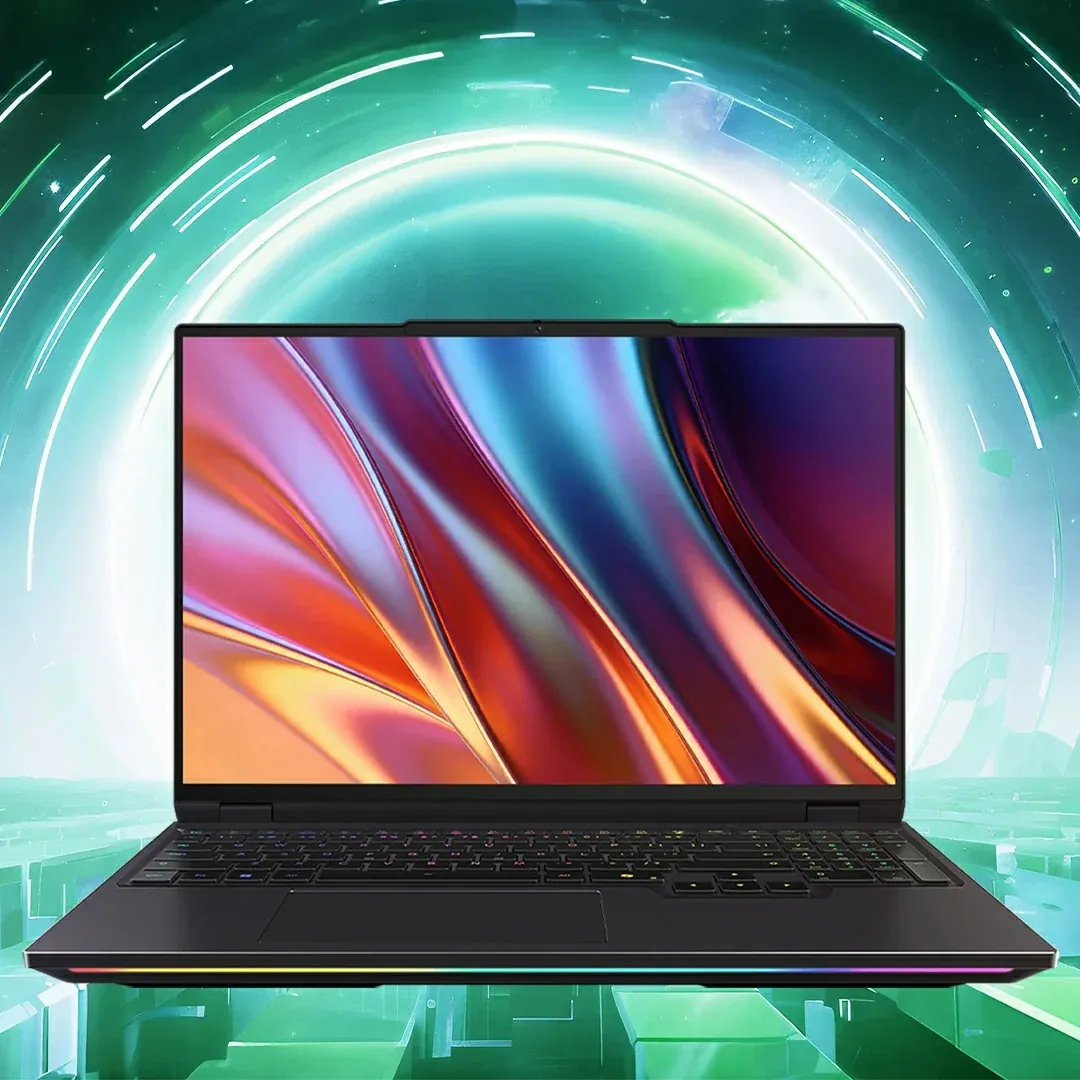
Gaming laptops remain the stronger choice if maximum frame rates & visual settings matter most. NVIDIA says RTX 50 Series laptop GPUs bring DLSS 4.5, higher AI capability & improved graphics features in thin laptop designs. In practical terms, that gives laptops more headroom for demanding AAA games, external monitor play, content creation & multitasking. They also offer larger displays, full keyboards, more ports & fewer compromises when you need one machine for gaming, work & streaming.
Screen Size and Ergonomics Matter
A handheld is easier to carry, but a laptop is easier to live with for long sessions. Bigger screens make strategy games, shooters & open-world titles easier to read & manage. A proper keyboard also matters if you chat, mod games or use the machine beyond gaming. Handhelds improve comfort through controller-first design, but they still ask users to accept a smaller display & tighter controls. That trade-off is fine for many players, but not all.
The Trend Is Toward Specialized Devices
Current market direction shows a split, not a winner-takes-all outcome. Handheld PCs are improving battery life, interface design & Windows-based flexibility, while gaming laptops continue to push higher-end GPU performance into thinner systems. That means buyers now choose by role: handheld for flexibility & short-form play, laptop for broader performance & fewer limits. A gaming portable computer is better only when portability is the main priority.
The Better Choice Depends on Use
Choose a handheld if you want mobility first, can accept lower sustained performance & prefer controller-style play. Choose a gaming laptop if you want stronger overall performance, better multitasking & a machine that can replace a desktop for many tasks. For maximum gaming performance alone, the laptop still holds the edge. For convenience & freedom of use, handheld systems are now a serious option.
Author Resource:
Jack Williams writes about latest PC, gaming laptops, workstations and desktop service stores. You can find more thoughts at favorite pc games blog.























Sign in to leave a comment.