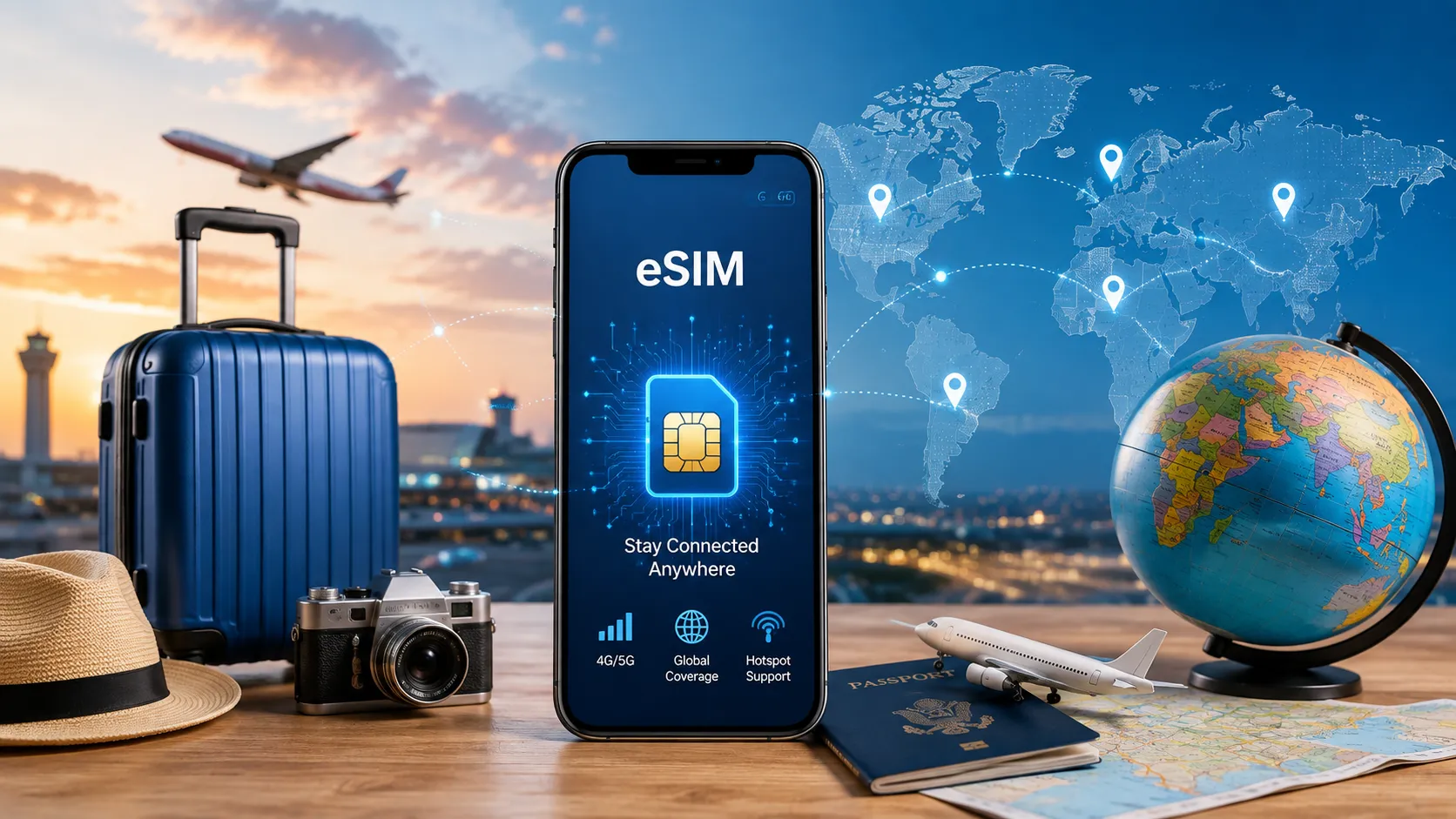

When you’re planning a trip abroad, staying connected is no longer optional - it’s essential. From navigating unfamiliar streets to booking last-minute rides, mobile data plays a critical role. That’s where eSIMs come in. They’ve quickly become the go-to solution for travelers who want convenience without the hassle of physical SIM cards. But with so many options available, one question keeps coming up: how do you actually decide which option gives you the most value?
What Does “Value” Really Mean in an eSIM?
Before choosing a provider, it’s important to understand what “value” means in this context. It’s not just about the cheapest plan. The best value comes from a combination of factors:
- Price per GB - How much data you get for what you pay
- Coverage - Whether it works reliably across your destinations
- Speed & network quality - Consistent 4G/5G performance
- Flexibility - Easy top-ups, plan changes, and duration options
- Ease of use - Quick setup and smooth activation
A low-cost plan that barely works isn’t a good deal. On the other hand, an expensive plan with features you don’t use isn’t great value either. The sweet spot lies in balance.
Why eSIMs Are a Better Value Than Traditional Options
Travelers used to rely on roaming or local SIM cards, both of which have clear downsides. Roaming charges can quickly spiral out of control, while local SIMs require time, paperwork, and sometimes even language barriers.
eSIMs simplify everything:
- No physical swapping required
- Instant activation before or after arrival
- Multiple plans can be stored on one device
- Ideal for multi-country trips
Because of this flexibility, eSIMs often deliver better overall value - even if the upfront price looks slightly higher.
Key Features to Look for in a High-Value eSIM
If your goal is to get the most out of your money, focus on these essentials:
1. Transparent Data Limits
Unlimited plans can sound appealing, but many come with daily caps or reduced speeds after a limit. Always check the fine print.
2. Regional Coverage
If you’re visiting multiple countries, a regional plan is usually more cost-effective than buying separate plans.
3. Network Partnerships
Strong local network partnerships ensure better speeds and reliability.
4. Validity Period
Choose a plan that matches your trip length. Paying for extra unused days reduces value.
5. Hotspot Capability
If you need to connect a laptop or share data, make sure tethering is supported.
Which Is the Best eSIM for Different Types of Travelers?
Not every traveler uses data the same way. The best value depends on your usage style:
Light Users (Maps, Messaging, Browsing)
- Smaller data plans (5–10 GB)
- Focus on affordability and stable connectivity
Moderate Users (Social Media, Streaming Occasionally)
- Mid-range plans (10–20 GB)
- Balance between cost and performance
Heavy Users (Work, Streaming, Hotspot)
- Larger or “unlimited” plans
- Prioritize speed and reliability over price
Understanding your usage helps avoid overpaying or running out of data mid-trip.
A Practical Perspective on Value
Many travelers assume that unlimited plans are always the best deal. In reality, most people don’t use as much data as they think. For example:
- Navigation apps use minimal data
- Messaging apps are lightweight
- Even social media usage is manageable on mid-tier plans
Paying for a large unlimited plan when you only use a fraction of it reduces overall value. On the flip side, running out of data and buying expensive top-ups can also hurt your budget. The goal is to match your plan to your real usage.
Where Voye Global Fits In
When evaluating options based on value, Voye Global stands out as a strong contender for travelers who want reliability without unnecessary complexity. The plans are structured to offer a balance between affordability and performance, making them suitable for a wide range of travel styles.
What makes it appealing from a value standpoint:
- Competitive pricing across multiple regions
- Flexible plans that cater to both short and long trips
- Consistent connectivity for essential travel needs
- Straightforward setup process
For travelers who want a dependable solution without overthinking every detail, it presents a practical option.
So, Which Is the Best eSIM?
By now, it should be clear that there isn’t a one-size-fits-all answer. The real answer to which is the best eSIM depends on how and where you travel.
However, if you define “best” in terms of value, the answer becomes clearer:
- Choose a plan that aligns with your actual data usage
- Prioritize coverage and reliability over just price
- Avoid paying for features you won’t use
- Look for flexibility in case your plans change
Final Thoughts
Finding the right eSIM isn’t about chasing the cheapest deal or the biggest data package. It’s about getting consistent, reliable connectivity at a fair price for your specific needs.
In today’s travel landscape, eSIMs already offer a smarter alternative to traditional options. When you take the time to evaluate what you truly need, you’ll naturally land on the option that delivers the best value - without overspending or compromising your experience.
And that’s ultimately what matters most: staying connected, stress-free, wherever your journey takes you.
























Sign in to leave a comment.