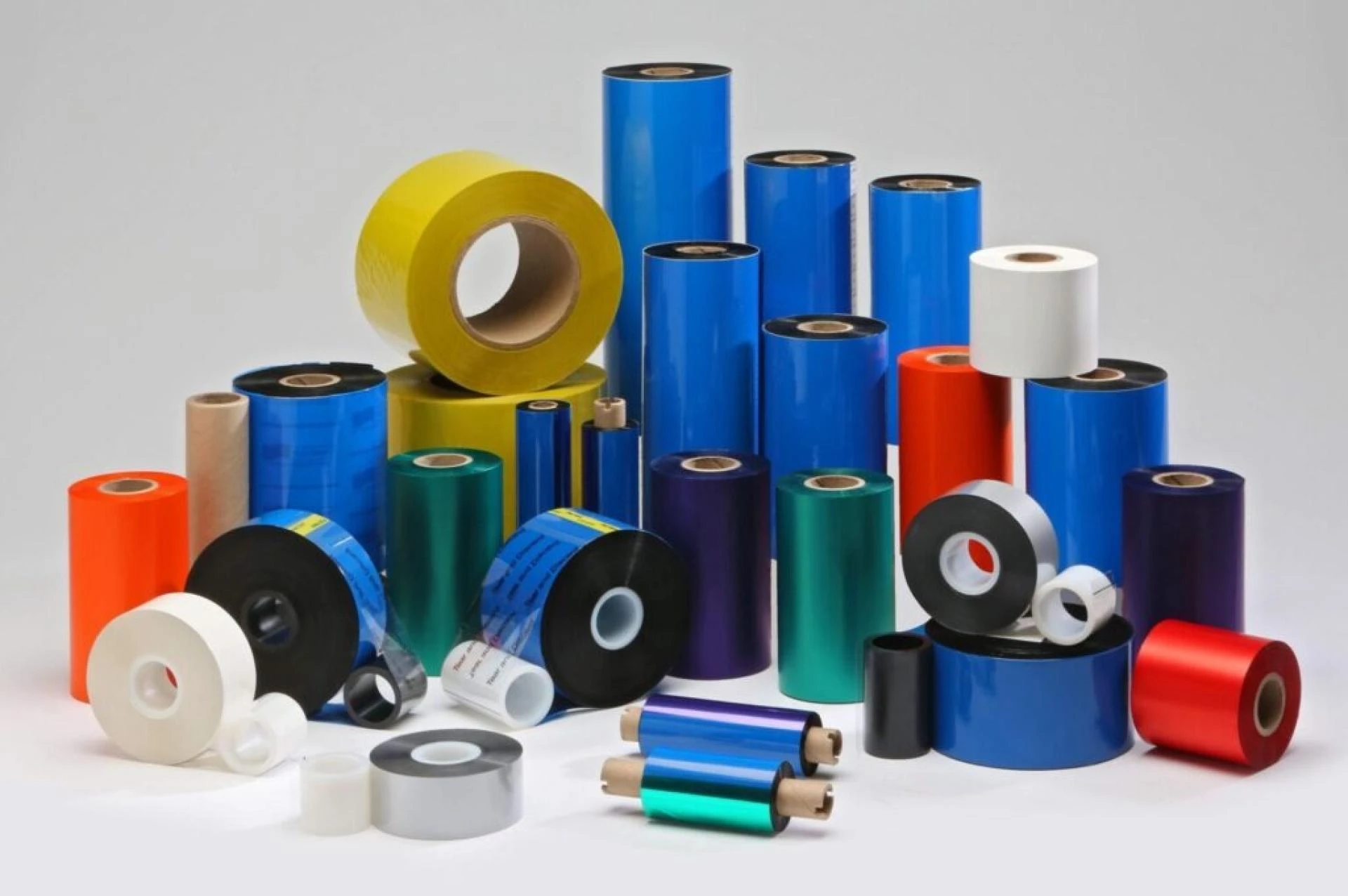

In today’s fast-moving business environment, labeling plays a crucial role in product identification, inventory control, shipping.
Whether you run a warehouse, retail shop, logistics company, or manufacturing unit, choosing the right label printing machine can significantly improve efficiency and accuracy. Businesses that rely on organized stock management and product tracking understand that labels are not just stickers—they are a vital part of operational workflow.
Companies like Mantaz Technologies LLC understand the importance of reliable labeling solutions for modern businesses. From packaging to logistics, a dependable printing system ensures that every product is identified correctly and tracked smoothly across the supply chain.
Why Businesses Need an Efficient Labeling Solutions?
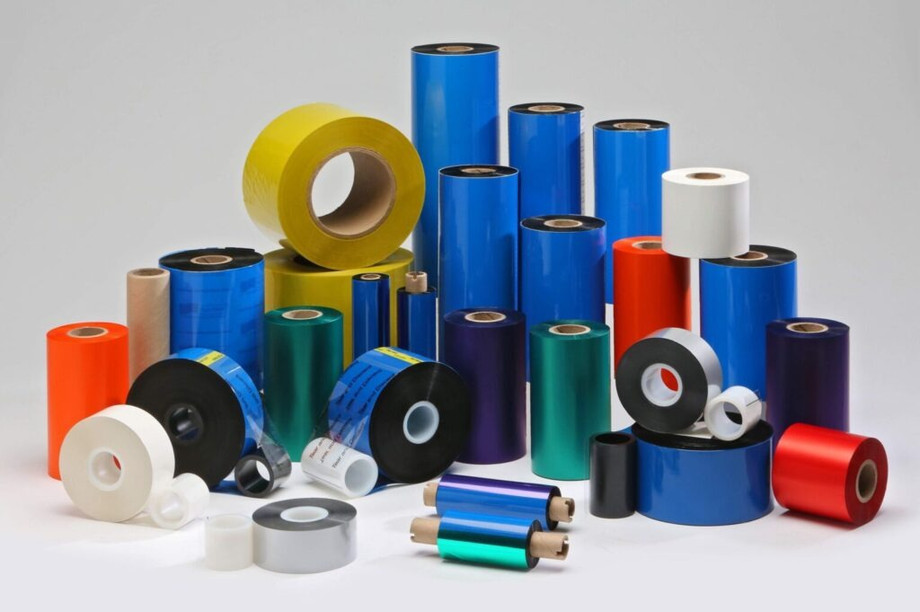
Labeling is more than simply printing product information. It helps companies maintain organized operations and reduce manual errors. A well-designed labeling system supports inventory tracking, improves warehouse organization, and ensures that products are delivered correctly.
For example, when labels are paired with a barcode scanner machine, businesses can instantly scan product details, update inventory records, and reduce the chances of human mistakes. This combination makes operations faster and more reliable.
When selecting a labeling solution, businesses should consider their industry requirements, printing volume, and the type of labels they need to produce.
Choosing the Right Label Printing Machine
Selecting the right label printing machine depends on several factors such as printing speed, label durability, connectivity options, and usage environment. Some businesses require high-volume printing for warehouses, while others need compact printers for retail counters.
Here are some key aspects to evaluate before making a decision:
1. Printing Technology
Most label printers use either thermal transfer or direct thermal technology.
- Direct Thermal Printing: Ideal for short-term labels like shipping labels and receipts.
- Thermal Transfer Printing: Suitable for durable labels used in manufacturing and asset tracking.
Each technology serves different business purposes, so understanding your labeling needs is essential before choosing the right system.
2. Printing Speed and Volume
Businesses that handle large volumes of products should invest in printers with high printing speed and durability. Slow printing can delay packaging and logistics processes, which can ultimately impact customer satisfaction.
3. Label Size and Material Compatibility
Not all printers support every label type. Some industries require waterproof labels, while others need heat-resistant materials. Always choose equipment that supports the materials used in your operations.
4. Connectivity Options
Modern printers offer USB, Wi-Fi, Bluetooth, and network connectivity. These features allow seamless integration with inventory software and scanning devices such as a barcode scanner machine, making workflow automation easier.
Types of Label Printing Machines
Understanding the available types can help businesses identify the most suitable label printing machine for their operations.
Desktop Label Printers
These are compact and affordable machines designed for small businesses, offices, or retail stores. They are perfect for printing price tags, product labels, and small shipping labels.
Industrial Label Printers
Industrial printers are designed for heavy-duty environments like warehouses and manufacturing units. They can print thousands of labels per day and handle larger rolls of label material.
Portable Label Printers
Portable printers are lightweight and designed for mobility. Warehouse staff and field workers often use them to print labels on the spot.
Commercial Label Printers
These printers offer a balance between performance and affordability, making them suitable for medium-scale operations.
Key Features
Before investing in a labeling system, businesses should evaluate the features that will improve productivity.
Print Resolution
Higher resolution means sharper and more readable labels. This is particularly important for small barcodes and detailed product information.
Durability
Industrial environments require machines that can withstand dust, heat, and constant usage.
Software Compatibility
A good printer should easily connect with inventory management systems and work seamlessly with scanning devices.
Ease of Maintenance
Machines that require frequent maintenance can disrupt workflow. Choose models with user-friendly maintenance and easy part replacement.
How Labeling Improves Inventory Management
Effective labeling systems are closely linked to inventory management. By integrating labels with digital tracking systems, businesses can easily monitor stock levels and product movement.
When employees scan labels using a barcode scanner machine, the system automatically updates product data in real time. This reduces manual entry and improves accuracy across warehouses and retail outlets.
For businesses managing large inventories, automated labeling and scanning systems can drastically reduce operational errors and improve productivity.
Industry Applications of Label Printing
Different industries use labeling technology for various purposes. A modern label printing machine supports diverse applications across multiple sectors.
Retail
Retail stores rely on labels for price tags, product information, and promotional stickers. Clear labeling helps customers quickly identify products.
Logistics and Shipping
Shipping labels are essential for courier and logistics companies. Accurate labels ensure that packages reach the correct destination without delays.
Manufacturing
Manufacturers use labels for product identification, batch tracking, and compliance requirements.
Healthcare
Hospitals and laboratories use labeling systems to track samples, medicines, and medical equipment.
Integrating Label Printers With Scanning Systems
Businesses can further enhance efficiency by combining labeling systems with automated scanning technology. When a printed label is scanned using a barcode scanner machine, the system instantly retrieves product information.
This integration provides several advantages:
- Faster checkout and warehouse operations
- Accurate inventory updates
- Reduced manual errors
- Better supply chain visibility
Organizations such as Mantaz Technologies LLC help businesses understand how these technologies work together to create a seamless workflow.
Cost vs Long-Term Value
Many businesses focus only on the initial price when purchasing equipment. However, the real value comes from long-term performance, reliability, and operational efficiency.
A high-quality printer may have a slightly higher upfront cost, but it can save money by reducing downtime, improving printing speed, and minimizing maintenance expenses.
Investing in the right technology ensures that your labeling system supports business growth for years to come.
Future Trends in Label Printing Technology
Label printing technology continues to evolve as businesses demand faster and smarter solutions.
Some emerging trends include:
- Cloud-connected printers for remote management
- Smart labeling systems integrated with IoT devices
- Eco-friendly printing materials to support sustainability
- Advanced automation in warehouses and logistics centers
Companies adopting these technologies early gain a competitive advantage by improving efficiency and reducing operational costs.
Why the Right Equipment Matters
Choosing the correct label printing machine is not just about printing labels—it’s about improving workflow, reducing operational errors, and enhancing productivity across your organization.
Businesses that integrate labeling with automated scanning tools create a streamlined system that supports accurate product tracking and inventory management.
With proper planning and the right equipment, companies can build a reliable labeling infrastructure that supports long-term business growth.
FAQs
1. What is a label printing machine used for?
It is used to print product labels, shipping labels, barcodes, and identification tags for inventory and packaging purposes.
2. Which industries commonly use label printers?
Retail, manufacturing, logistics, healthcare, and warehousing industries rely heavily on label printing technology.
3. How does a barcode scanner machine work with label printers?
The printer generates barcode labels, and the scanner reads them to retrieve product information instantly within an inventory system.
4. What is the difference between thermal transfer and direct thermal printing?
Direct thermal printing uses heat-sensitive paper, while thermal transfer printing uses a ribbon to create more durable labels.
5. How do businesses choose the right label printer?
They should consider printing volume, label type, connectivity options, durability, and integration with inventory systems.
6. Are label printers suitable for small businesses?
Yes, desktop models are affordable and perfect for small retail shops and offices that need simple labeling solutions.
Conclusion
Selecting the right label printing machine depends on your business size, industry requirements, and printing volume. From small retail shops to large industrial warehouses, the right labeling system helps maintain organized operations and accurate product identification.
By combining advanced printers with technologies like barcode scanning, businesses can create a faster and more reliable workflow. Organizations such as Mantaz Technologies LLC continue to guide businesses in choosing efficient labeling solutions that match their operational needs and future growth plans.
A well-planned labeling strategy is an investment that improves efficiency, reduces errors, and strengthens overall business productivity


























Sign in to leave a comment.