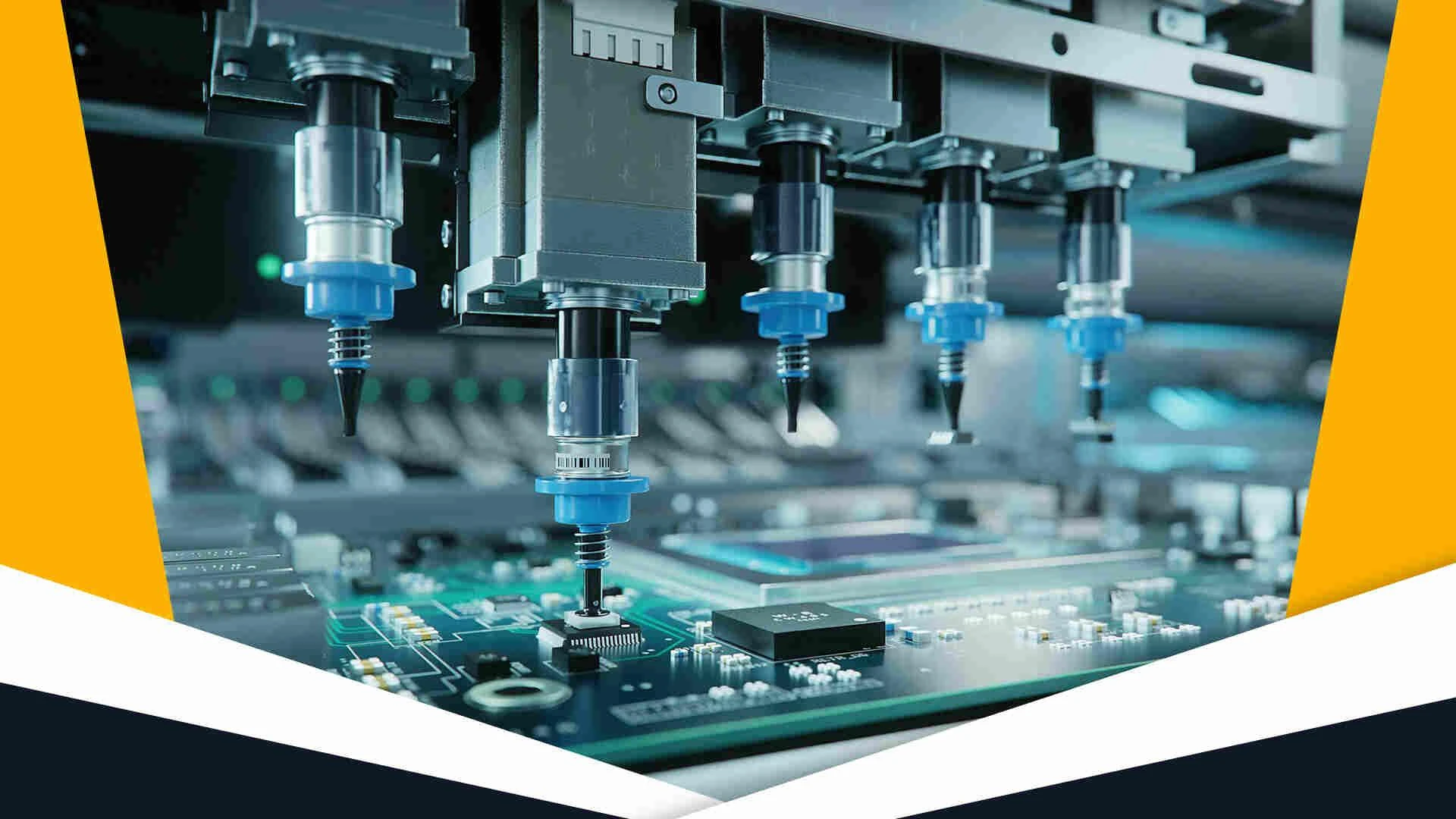

Printed Circuit Boards (PCBs) are the backbone of modern electronics. From smartphones to spacecraft, PCBs are integral to countless devices. The materials used in PCB board fabrication are crucial to their functionality, durability, and performance. In this article, we\'ll explore the different materials used in PCB fabrication, their properties, and why they are chosen.
Understanding PCB Structure
Before diving into the materials, it\'s essential to understand the basic structure of a PCB. A typical PCB consists of several layers, each serving a unique purpose. These layers include:
- Substrate (Base Material): The foundation of the PCB.
- Copper Layer: Conductive pathways for electric signals.
- Solder Mask: Protective layer that insulates the copper.
- Silkscreen: Printed symbols and text for assembly guidance.
Each layer requires specific materials to achieve the desired electrical and mechanical properties.
The Substrate The Foundation of PCBs
The substrate, or the base material, is the core of the PCB. It provides the structural integrity and determines many of the board\'s electrical properties. The most common materials used for the substrate are:
1. FR-4 (Fiberglass Epoxy Laminate)
- Composition: FR-4 is composed of woven fiberglass cloth with an epoxy resin binder.
- Properties: It offers excellent mechanical strength, durability, and insulation properties. It\'s also flame-retardant (hence the "FR").
- Usage: FR-4 is the most widely used material for PCBs due to its balance of cost, performance, and durability. It\'s suitable for consumer electronics, automotive applications, and industrial equipment.
2. Polyimide
- Composition: Polyimide is a polymer material known for its thermal stability.
- Properties: It can withstand high temperatures, making it ideal for environments with extreme heat. Polyimide is also flexible, which is beneficial for flexible PCBs.
- Usage: Used in aerospace, military applications, and flexible electronics where high thermal resistance is required.
3. Metal-Core PCB (MCPCB)
- Composition: These PCBs have a metal core, usually aluminum or copper, instead of the traditional FR-4.
- Properties: They offer superior heat dissipation, which is crucial for high-power applications.
- Usage: MCPCBs are commonly used in LED lighting, power supplies, and automotive electronics where heat management is critical.
Copper Layer Conducting Electricity
The copper layer in a PCB is responsible for conducting electricity. The thickness of the copper can vary depending on the board\'s requirements, typically measured in ounces per square foot (oz/ft²).
1. Electro-Deposited (ED) Copper
- Properties: ED copper is applied to the substrate through an electrochemical process. It has good conductivity and adhesion properties.
- Usage: Widely used in standard PCBs for consumer electronics, computers, and telecommunications.
2. Rolled-Annealed (RA) Copper
- Properties: RA copper is mechanically rolled and annealed, resulting in a smoother and more flexible material.
- Usage: Preferred for flexible and high-frequency PCBs due to its superior ductility and lower surface roughness.
Solder Mask Protecting the Copper
The solder mask is a crucial layer that protects the copper traces from oxidation and prevents solder bridges during assembly. The materials used for the solder mask are usually polymer-based.
1. Liquid Photoimageable (LPI) Solder Mask
- Properties: LPI solder mask is applied as a liquid and then exposed to UV light to harden. It provides excellent coverage and fine resolution for complex PCBs.
- Usage: Commonly used in high-density and multilayer PCBs.
2. Dry Film Solder Mask
- Properties: This type of solder mask is a dry film applied to the PCB and then laminated.
- Usage: Suitable for simpler PCBs with lower resolution requirements.
Silkscreen Guiding Assembly
The silkscreen layer on a PCB Assembly is used to print text and symbols that help guide the assembly and testing process. The most common materials for silkscreen are:
1. Epoxy Ink
- Properties: Epoxy ink is durable and adheres well to the solder mask.
- Usage: Used for standard PCBs where high durability is required.
2. UV Curable Ink
- Properties: UV curable ink is hardened using UV light, offering quick curing times and good adhesion.
- Usage: Preferred for high-volume production due to its fast processing time.
Advanced Materials for Specialized PCBs
As technology advances, the need for specialized materials in PCB fabrication grows. Here are some advanced materials used in specific applications:
1. Teflon (PTFE)
- Properties: Teflon offers excellent high-frequency performance and low dielectric loss.
- Usage: Used in RF (radio frequency) and microwave PCBs for telecommunications, radar, and aerospace applications.
2. Ceramic-Based PCBs
- Properties: Ceramic materials provide exceptional thermal conductivity and stability.
- Usage: Ideal for high-power and high-temperature applications such as power electronics and LED lighting.
Conclusion
The materials used in PCB fabrication play a pivotal role in determining the performance, reliability, and longevity of the final product. From the versatile FR-4 to the high-performance polyimide and the heat-dissipating metal-core, each material offers unique properties custom to specific applications. Understanding these materials helps in selecting the right PCB for any given project, ensuring optimal performance and durability for the circuit board manufacturing company.
FAQs
1. What is the most common material used for PCB substrates?
The most common material used for PCB substrates is FR-4, a fiberglass epoxy laminate known for its excellent balance of cost, performance, and durability.
2. Why is copper used in PCBs?
Copper is used in PCBs due to its excellent electrical conductivity, which is essential for creating the conductive pathways that allow electricity to flow through the board.
3. What are flexible PCBs made of?
Flexible PCBs are typically made from polyimide, a polymer material that offers excellent flexibility and thermal stability, making it suitable for applications where the board needs to bend or flex.
4. What is a metal-core PCB?
A metal-core PCB (MCPCB) has a metal core, usually made of aluminum or copper, instead of the traditional FR-4. This core helps dissipate heat more effectively, making it ideal for high-power applications.
5. What is the purpose of the solder mask?
The solder mask protects the copper traces on the PCB from oxidation and prevents solder bridges during the assembly process. It also helps insulate the copper traces to prevent short circuits.
6. Why are advanced materials like Teflon used in PCBs?
Advanced materials like Teflon are used in PCBs for specialized applications that require high-frequency performance and low dielectric loss, such as RF and microwave PCBs for telecommunications and aerospace.
7. What is the role of the silkscreen layer in a PCB?
The silkscreen layer is used to print text and symbols on the PCB, providing important information for the assembly and testing process. It helps identify components and guide the placement of parts on the board.
Understanding the materials used in PCB fabrication is crucial for anyone involved in electronics design and manufacturing. Each material offers specific properties that make it suitable for different applications, ensuring that the final product meets the desired performance and reliability standards.












Sign in to leave a comment.