
[caption class="snax-figure" align="aligncenter" width="662"] [/caption]
Cereals are the best way to make a healthy start of the day. They replenish your body energy after the night fast. A healthy cereal can improve the mental health and physical performance in kids as well as adults. However, it would help if you chose the one low in fats/cholesterol among various cereal types and rich in vitamins, minerals, and other nutrients. It is your choice whether you want to consume it hot or cold with milk, yogurt, or fruit. These breakfast cereals are made from processed grains. They pass from a series of steps and then packed in cereal boxes to provide you with a nutritional meal. In addition to various health benefits, they are also very delicious. Different cereal brands offer the product in a wide variety of categories to attract the consumer. Honeycomb, frosted flakes, fruit loops, cinnamon toast crunch, cheerios, mini wheat, raisin bran, and rice Krispies are popular cereal names we all know.
Stem Rust in Cereals:
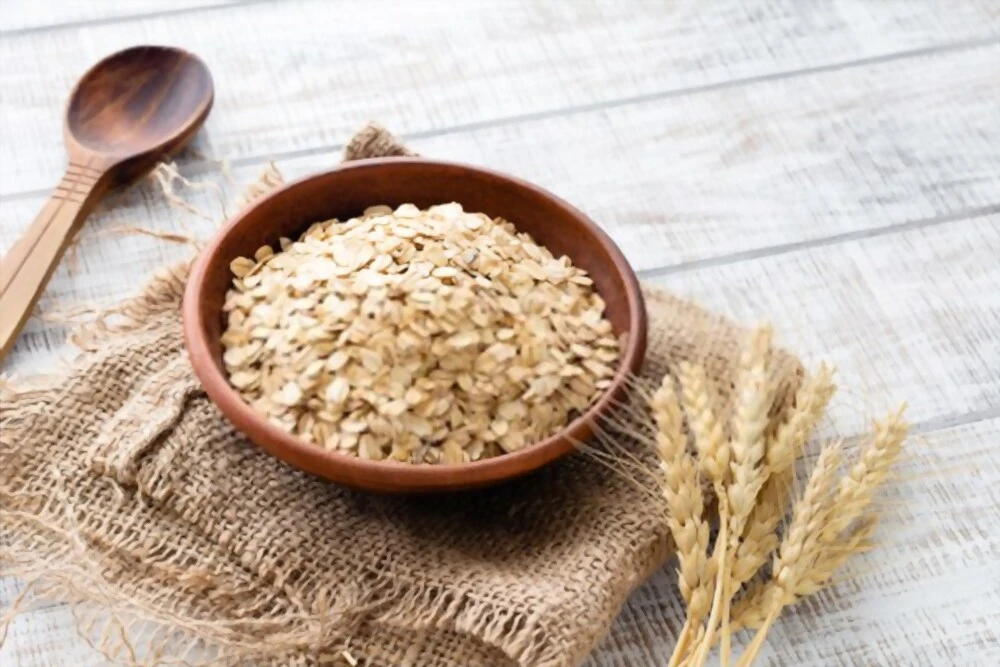
Cereal grains are made from wheat, rice, maize, oats, and various other crops. These crops might be attacked with different diseases from season to season. Therefore, the farmers and the manufacturers have to get rid of them to ensure a healthy take in. Stem rust, also known as black rust, is one of the most common diseases found in cereal crops. It is caused by a fungus Puccinia Graminis, affecting the wheat and other cereals all across U.S growing regions. As a result, raised spots (pustules) are made on stems and leaf sheaths. Occasionally they may also form on glumes and seeds. Stem rust appears elliptical and more elongated. The spots are both on lower and upper leaf surfaces and look like orange to dark-red in color. The margins of the spots of stem rust are ragged. Over time spores transform and become dark-colored. The leading cause of stem rust infection in wheat is the repeated spore production.
Managing Stem Rust:
Farmers have many options to manage and treat stem rusts. Some of the effective ways are as follows:
Seed Treatments:
Using proper fungicide seed treatment is one way to provide adequate control in wheat production. Seed treatments protect the seed and the young plants from this disease. Areas commonly infected with rust needs a foliar fungicide treatment to provide adequate protection beyond the seedling growth stage.
Scouting:
When scouting for weeds or insects, always check for the presence of wheat rusts on the crops. Monitor the report of wheat rust development of your area. This will help you to track the progression of rust diseases over time. Keep a keen eye on weather conditions. The rust spores spread more through wind currents promoting the disease. If you suspect stem rust, take samples to diagnose. Scouting helps to determine the levels of infection. This makes you make the best decision about fungicide applications.
Cultural practices:
Disease-free seeds give seedlings a good start. A good weed control pre-plant, at the stage of planting and throughout the growing season, may also help protect against disease and pests.
Fungicides:
By using commercially available fungicides at proper application timing, you can get good control over wheat rusts. The percentage of using fungicides depends upon the symptoms. It is essential to assess the severity of the disease. However, it should be managed before the infection reaches the upper leaves.
Best Material to Protect the Cereals:
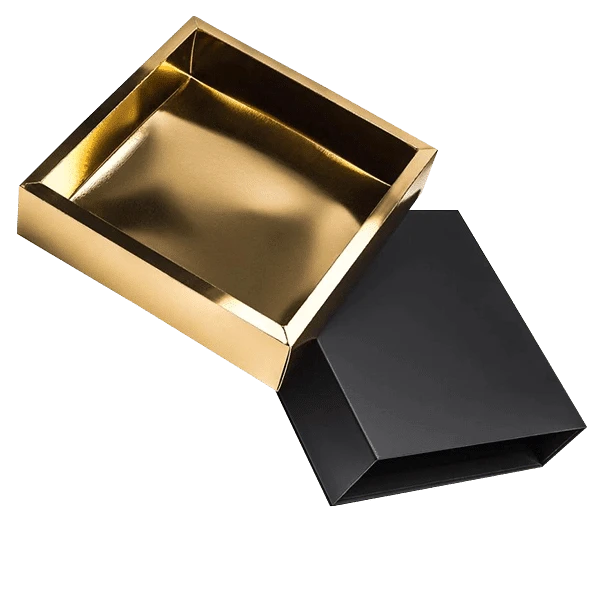
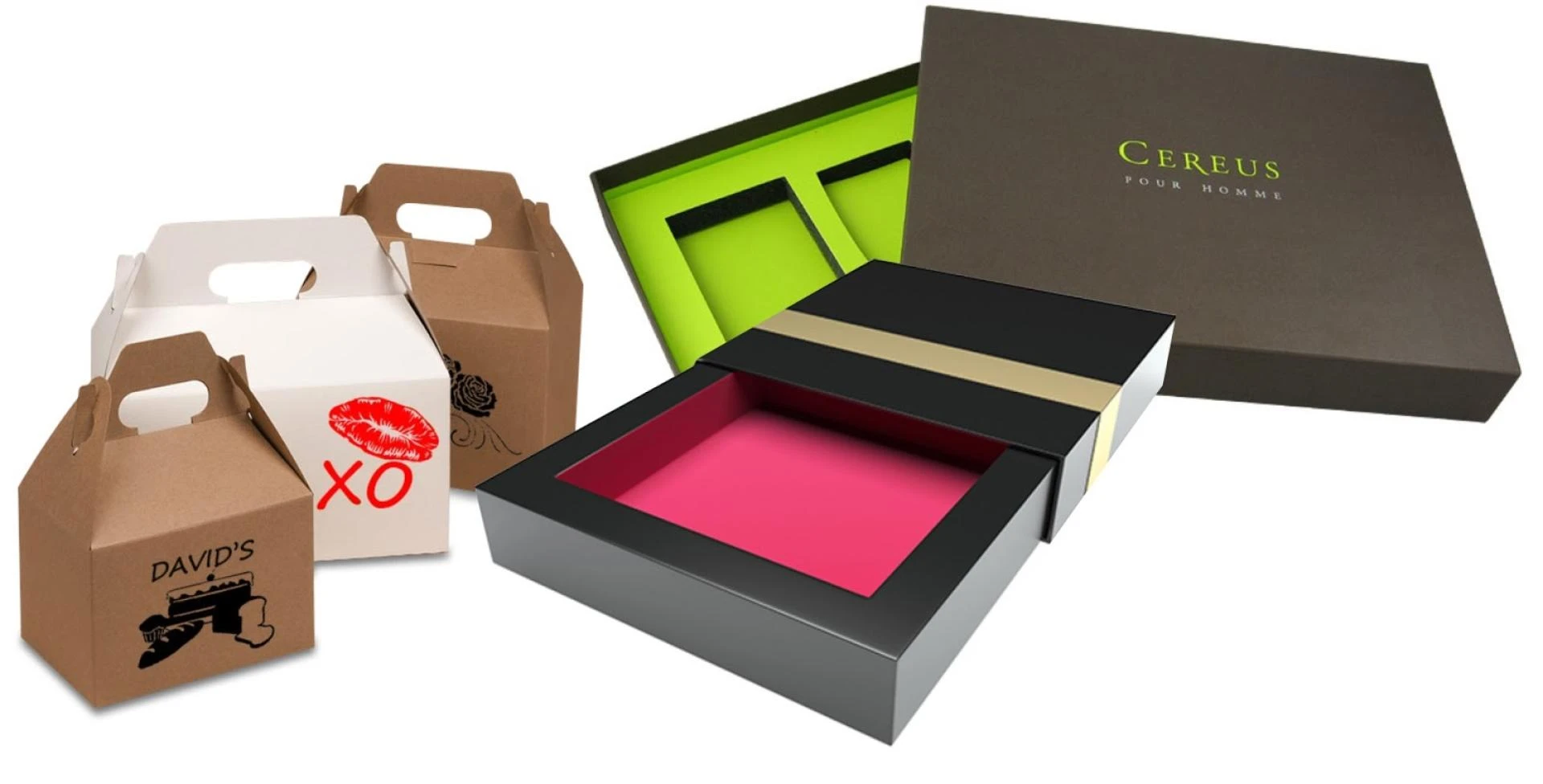
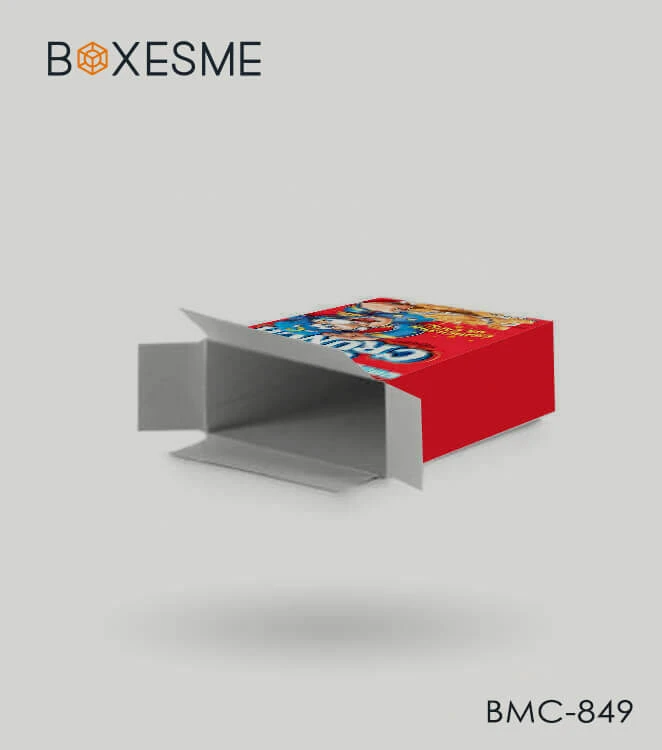
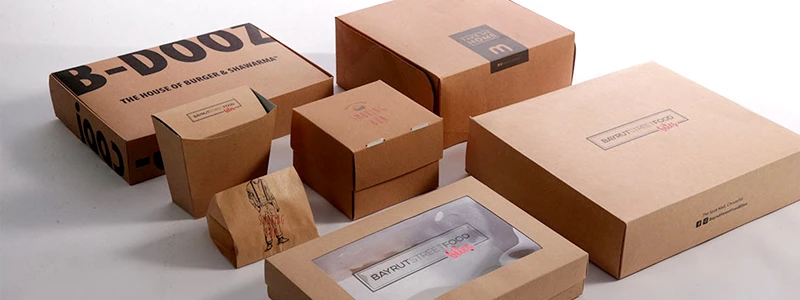
Once the best cereals are made after processing, refining, and passing through various other stages, appropriate packaging is necessary to protect them. Most of the manufacturers use cereal boxes made up of cardboard. This keeps them fresh, retains their quality, and safe them from any contamination. Although there are several other materials to design empty cereal boxes for sale, cardboard is the most preferably used industry-wide. It provides a series of benefits to the businesses and the manufacturers. For example, it is durable, creates a good shelf appeal, and makes your products more presentable. Material is easy to customize by working on different cereal boxes ideas. Whether you want to create a large package or mini cereal boxes for an easy takeaway, it is your choice. Vintage cereal boxes design is becoming trendy these days. The material is eco-friendly, toxic-free, and perfectly safe to use. You may package your edibles inside without letting any harmful substance penetrating the food items. The cereals are first placed inside an air-tight plastic pouch or metallic bag and afterward in individual cereal boxes to retain their freshness, quality, and taste.







Sign in to leave a comment.