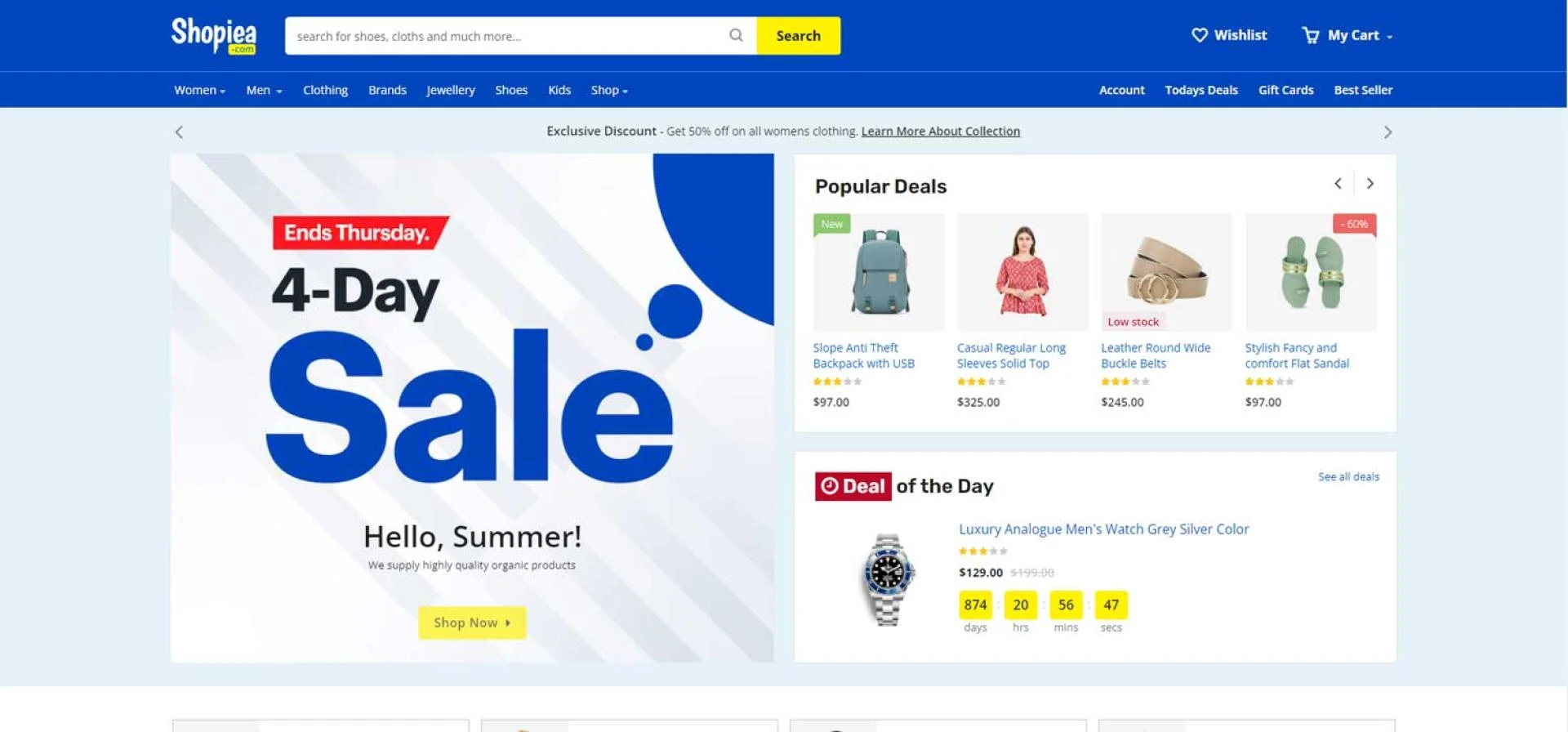

In the fast-paced digital landscape, a well-designed and functional website is the cornerstone of a successful online business. Whether you're launching an ecommerce store or establishing an online presence for your business, choosing the right eCommerce HTML template is pivotal. However, the sheer variety of templates available can be overwhelming. To help you navigate this decision, we've compiled a detailed guide on the essential qualities to check before purchasing an ecommerce or business HTML template. From design and responsiveness to customization and performance, we'll cover it all.
Which Qualities Should I Check Before Buying Ecommerce or Business HTML Template?
When diving into the realm of HTML templates for your ecommerce or business website, it's essential to keep the following qualities in mind:
1. Responsive Design:
Your website should offer an optimal viewing experience across various devices, from desktops to smartphones and tablets. A responsive business HTML template ensures that your site adapts seamlessly to different screen sizes, enhancing user experience and engagement.
2. Aesthetic Appeal:
First impressions matter, and your website's design plays a significant role in capturing visitors' attention. Choose a template with a clean, modern, and professional design that aligns with your brand identity and resonates with your target audience.
3. Customization Options:
Flexibility is crucial when it comes to customization. Look for a template that offers a range of customization options, allowing you to personalize colors, fonts, layouts, and other design elements to match your brand's uniqueness.
4. User-Friendly Navigation:
A well-structured template ensures easy navigation for visitors. Intuitive menus, clear categorization, and user-friendly interfaces contribute to a positive user experience and longer browsing sessions.
5. Page Loading Speed:
Slow-loading websites can drive users away. Opt for a template that's optimized for speed, enhancing user satisfaction and potentially improving your search engine rankings.
6. SEO Readiness:
Search engine optimization (SEO) is vital for online visibility. Choose a template that's SEO-friendly, with proper HTML markup, semantic structure, and the ability to integrate essential SEO plugins.
7. Cross-Browser Compatibility:
Your website should function flawlessly across various web browsers, ensuring a consistent experience for all users. Test the template on different browsers to ensure compatibility.
8. Ecommerce Compatibility:
If you're setting up an online store, ensure that the template is compatible with popular ecommerce platforms. It should seamlessly integrate with your chosen platform and support essential ecommerce features.
9. Regular Updates and Support:
Technology evolves rapidly, and your template should keep up. Check if the template receives regular updates and has a reliable support system in case you encounter any issues.
10. Integration Capabilities:
Consider the third-party tools and plugins you plan to use on your website. Ensure the template supports these integrations to enhance functionality and provide a seamless user experience.
11. Mobile Optimization:
With a significant portion of internet users accessing websites via mobile devices, mobile optimization is non-negotiable. Your chosen template should prioritize mobile responsiveness and functionality.
12. Security Measures:
Security is paramount, especially for ecommerce websites that handle sensitive customer data. Opt for a template that follows best security practices and can integrate with security plugins.
13. Call to Action (CTA) Placement:
A strategically placed CTA can drive conversions. Choose a template that allows you to position CTAs effectively and make them stand out.
14. Social Media Integration:
Social media is a powerful marketing tool. Ensure that the template facilitates seamless integration of social media buttons and sharing options.
15. Image and Video Support:
Visual content enhances engagement. Look for a template that supports high-quality images and videos to showcase your products or services effectively.
16. Scalability:
As your business grows, your website may need to accommodate more content and features. A scalable template ensures that your site can expand without major redesigns.
17. Clear Typography:
Readable typography is essential for conveying your message effectively. Choose a template with clear and legible fonts that enhance readability.
18. Optimized for Conversion:
If your goal is to generate leads or sales, the template should be designed with conversion optimization in mind. Elements such as strategically placed buttons and forms can drive desired actions.
19. User Reviews and Ratings:
Research user reviews and ratings for the template before making a decision. This insight can provide valuable information about user experiences and potential drawbacks.
20. Demo and Documentation:
A reputable template should offer a demo to explore its features and functionalities. Additionally, comprehensive documentation can simplify the setup and customization process.











Sign in to leave a comment.