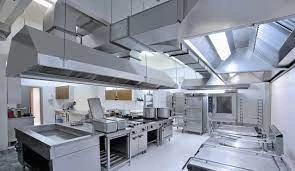

Choosing the right restaurant exhaust system depends on several factors, including the size of your restaurant, the type of cooking equipment used, local building codes and regulations, and your specific needs. Here are some common types of restaurant exhaust systems to consider:
Ventilation Hoods: Ventilation hoods are the primary component of a restaurant hood systems. They capture and remove cooking fumes, heat, and grease particles from the kitchen area. Ventilation hoods can be classified into different types, such as canopy hoods, proximity hoods, or island hoods, depending on their design and placement.
Exhaust Fans: Exhaust fans work in conjunction with ventilation hoods to draw out the air from the kitchen and expel it outside the building. The size and power of the exhaust fans will depend on the volume of air that needs to be extracted and the distance it needs to be pushed through the ductwork.
Ductwork: Ductwork consists of the pipes and channels that transport the air and grease-laden vapors from the kitchen to the exterior of the building. The size and material of the ductwork will depend on the airflow requirements and local code requirements.
Grease Filters: Grease filters are an essential component of a restaurant exhaust system. They capture grease particles from the cooking fumes to prevent buildup in the ductwork and reduce fire hazards. Grease filters should be regularly cleaned or replaced to maintain their effectiveness.
Fire Suppression Systems: In commercial kitchens, fire suppression systems are often required to protect against potential grease fires. These systems are designed to automatically detect and extinguish fires in the kitchen area. They typically include fire suppression agents and mechanisms to shut off fuel sources, such as gas or electricity.
When determining which restaurant exhaust system is right for you, it's important to consult with professionals who specialize in commercial kitchen ventilation. They can assess your specific needs, evaluate local codes and regulations, and recommend the appropriate system that meets safety requirements and effectively removes cooking fumes and grease.
Working with experienced ventilation contractors or consultants can ensure that the exhaust system is properly designed, installed, and maintained to create a safe and comfortable environment in your restaurant kitchen while complying with relevant regulations.



























Sign in to leave a comment.