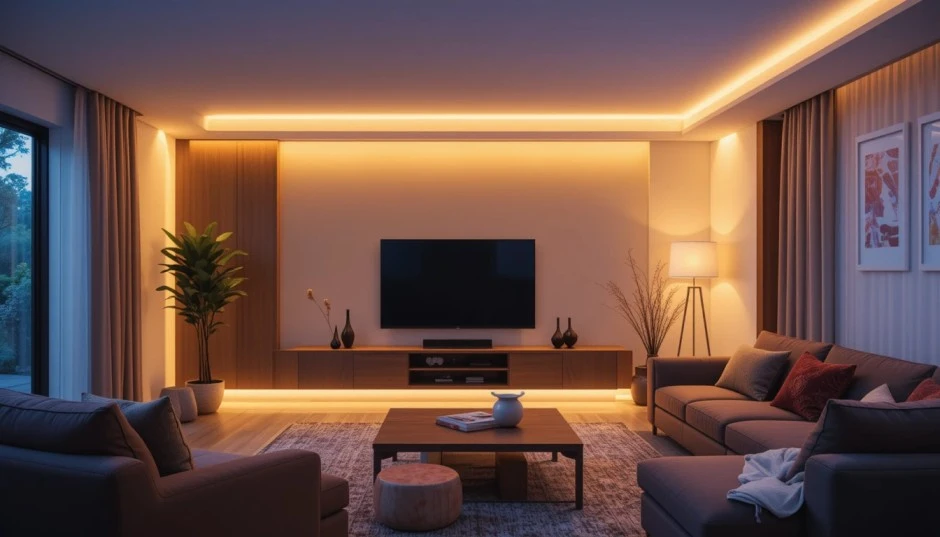

Let’s face it—growing old or living with a disability comes with its fair share of challenges. But what if your home could help you with daily tasks, keep you safe, and even remind you to take your meds? Sounds like science fiction? Not anymore! Thanks to smart home technology, that kind of support is not just real—it’s affordable, practical, and life-changing.
This guide will walk you through the best smart home devices for elderly and disabled users, helping you or your loved ones live more independently and securely.
Benefits of Smart Home Devices for Elderly and Disabled Users
Independence and Autonomy
Smart devices empower users to control their environment with minimal help. Whether it's adjusting the thermostat or turning on lights, everything can be done with a voice command or a tap on a smartphone.
Safety and Security
From motion sensors to emergency call buttons, smart tech keeps users safe at home, alerting caregivers or emergency services when something's not right.
Health Monitoring
Smart wearables and medical alert systems track vital signs, medication intake, and potential falls, offering peace of mind for families and doctors alike.
Convenience and Comfort
Automated lights, smart blinds, and voice-controlled appliances make life simpler and reduce physical strain on users.
Key Features to Look For in Smart Devices for Seniors
- Voice Control Compatibility: Look for Alexa, Google Assistant, or Siri integration.
- User-Friendly Interfaces: Devices should be easy to set up and use, with large buttons or screens if necessary.
- Emergency Support: Some devices include panic buttons or auto-alert features.
- Remote Access: Caregivers can monitor or control the devices from anywhere.
Best Smart Home Devices for Elderly or Disabled Users
Smart Speakers and Voice Assistants
Amazon Echo (Alexa)
A powerhouse for voice commands—Alexa can make calls, set reminders, play music, control lights, and more.
Google Nest Audio
Great for people in the Google ecosystem. Simple commands make it a go-to for those who want seamless integration.
Apple Home Pod mini
Perfect for Apple lovers. It syncs beautifully with iPhones and Apple Health apps.
Smart Home Hubs
Samsung SmartThings Hub
Centralizes all smart devices in one app—great for caregivers managing a lot of devices.
Hubitat Elevation
Perfect for advanced users who want privacy and offline automation.
Smart Lights and Switches
Philips Hue Smart Bulbs
Control lighting via app or voice. You can even set automatic schedules for bedtime or wake-up routines.
Lutron Caseta Wireless Lighting
Easy to install and doesn’t require a neutral wire—perfect for older homes.
Smart Thermostats
Google Nest Thermostat
Learns your habits and adjusts the temperature automatically, helping with both comfort and energy savings.
Ecobee Smart Thermostat
Built-in Alexa means you get voice commands plus room sensors to keep temperature balanced.
Medical Alert Systems
Life Alert
The classic—trusted by many. Offers 24/7 emergency help with the push of a button.
Aloe Care Health Smart Hub
Voice-activated, includes fall detection, and lets caregivers check in remotely.
Smart Security Systems
Ring Alarm System
User-friendly and includes a variety of sensors and cameras.
SimpliSafe Security System
Easy to install, and no contract required. You can monitor it yourself or opt for professional monitoring.
Smart Doorbells and Cameras
Ring Video Doorbell
See and talk to visitors from your phone. Great for users who can’t easily get to the door.
Arlo Essential Video Doorbell
Clear video, motion detection, and easy-to-use app.
Smart Locks
August Wi-Fi Smart Lock
No need for keys. Lock and unlock from your phone or voice assistant.
Schlage Encode Smart Wi-Fi Deadbolt
Strong security with built-in Wi-Fi. Easy to manage from an app.
Fall Detection and Motion Sensors
Walabot HOME
Non-wearable fall detection system that works through walls. Ideal for bathrooms.
Nest Detect Motion Sensor
Triggers alerts when there's unexpected motion, helping caregivers stay informed.
Smart Medication Dispensers
Dispenses pills on schedule and sends alerts if a dose is missed.
Hero Medication Dispenser
Automatically sorts and dispenses up to 10 medications with reminders and caregiver alerts.
Smart Plugs and Outlets
Kasa Smart Plug
Turn any device into a smart one—ideal for lamps, fans, or coffee makers.
Amazon Smart Plug
Simple setup and seamless Alexa integration.
Integration Tips for Caregivers and Families
- Set up routines like "Good Morning" or "Bedtime" that automate multiple tasks at once.
- Enable remote monitoring features to stay updated without being intrusive.
- Use grouped devices to manage rooms efficiently.
Privacy and Security Considerations
- Choose devices with two-factor authentication.
- Regularly update firmware to protect against vulnerabilities.
- Control who has access to cameras, locks, and alerts.
Cost and Accessibility
- Many devices offer budget-friendly starter kits.
- Look into Medicare, Medicaid, or Veterans Affairs programs—some cover or subsidize smart tech for medical needs.
- Check with local non-profits or aging assistance organizations for tech grants.
Conclusion
Smart home devices are more than just fancy tech—they’re lifelines for the elderly and people with disabilities. From speaking to Alexa for reminders to using a fall detection sensor that alerts caregivers, the right smart home setup can transform lives, boost independence, and bring peace of mind to families. The future is here, and it’s smart, safe, and senior-friendly.




























Sign in to leave a comment.