

Preparing for the USA Computing Olympiad (USACO) requires more than basic programming knowledge and occasional problem-solving practice. Competitive coding students must develop algorithmic thinking, efficient coding techniques, and strong time management skills to perform successfully. A structured preparation strategy helps learners understand complex concepts while improving their ability to solve unfamiliar challenges. Consistent practice, targeted learning resources, and regular performance evaluations are essential components of effective USACO preparation. By adopting practical study methods, students can strengthen their competitive programming abilities and approach contests with greater confidence.
Understanding the USACO Competition Structure
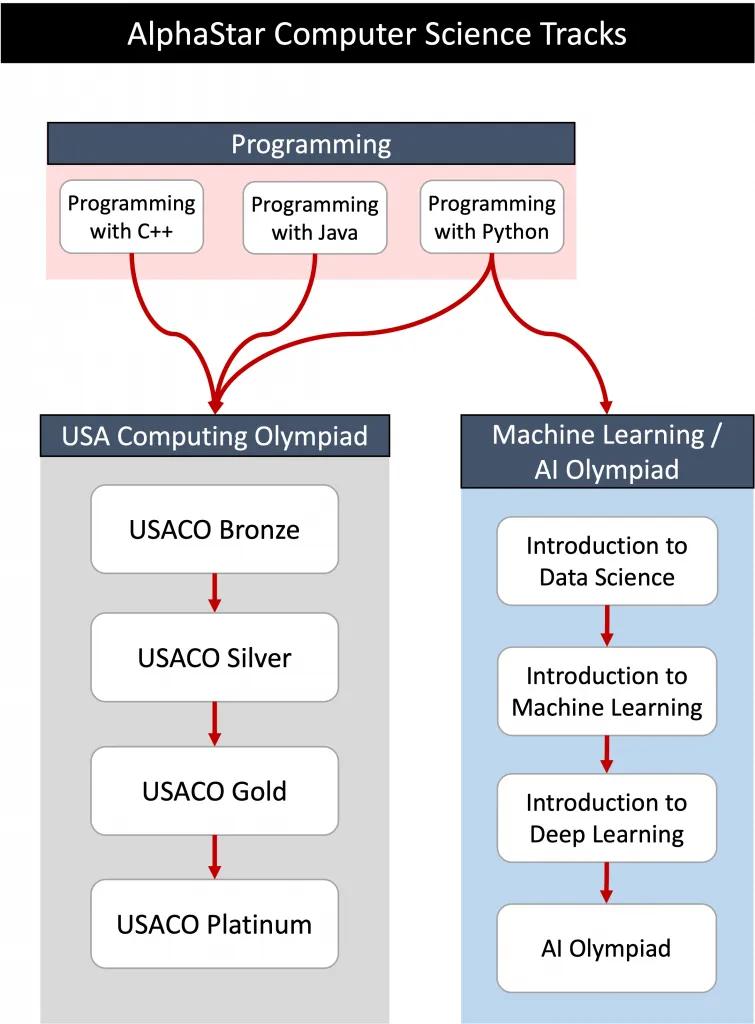
Successful preparation begins with understanding the competition format, difficulty levels, and expected programming skills. USACO traditionally features Bronze, Silver, Gold, and Platinum divisions, each requiring progressively advanced problem-solving abilities. Beginners should focus on fundamental programming concepts, while experienced participants can explore sophisticated algorithms and optimization techniques. Reviewing official contest rules, scoring procedures, and available programming languages helps students establish realistic expectations.
Building Strong Programming Fundamentals
A solid programming foundation is essential before attempting challenging competitive coding problems. Students should become comfortable with variables, loops, conditional statements, functions, arrays, strings, and basic data structures. They must also understand input handling, output formatting, and common programming errors. Developing proficiency in a supported programming language enables participants to concentrate on problem-solving rather than syntax difficulties. Regular coding exercises reinforce fundamental concepts and improve implementation accuracy.
Creating a Structured Study Schedule
An organized study schedule helps students maintain consistent progress without becoming overwhelmed by difficult material. Preparation should include dedicated periods for learning concepts, solving problems, reviewing mistakes, and participating in timed exercises. Beginners may benefit from shorter daily sessions, while advanced competitors often require longer practice periods. Setting measurable weekly objectives encourages accountability and makes improvement easier to track. Students should also allocate additional time to topics they find challenging.
Mastering Essential Algorithms and Data Structures
Algorithmic knowledge forms the foundation of successful competitive programming performance. Students should gradually study sorting, searching, prefix sums, recursion, greedy algorithms, and fundamental graph traversal techniques. As their skills advance, they can explore dynamic programming, shortest paths, binary search applications, and more complex data structures. Understanding time and space complexity is equally important because efficient solutions must satisfy strict execution limits.
Practicing Problems With Increasing Difficulty
Consistent problem-solving practice transforms theoretical knowledge into practical competitive programming skills. Students should begin with problems matching their current division and gradually attempt more challenging exercises. The official USACO training resources and archived contest problems provide valuable opportunities for focused preparation. Each practice session should emphasize understanding the problem statement, identifying constraints, developing an approach, and testing the implementation. When solutions fail, learners should investigate underlying mistakes rather than immediately consulting explanations.
Learning Through Editorials and Solution Analysis
Reviewing official explanations and alternative solutions is an effective method for expanding algorithmic understanding. After attempting a problem independently, students can compare their approach with established solutions to identify opportunities for improvement. Editorials often reveal useful observations, efficient algorithms, and implementation techniques that may not be immediately obvious. However, reading explanations without meaningful effort can limit long-term learning. Students should revisit difficult problems after studying solutions and attempt independent implementations.
Final Thoughts
Effective USACO preparation depends on structured learning, consistent problem-solving, algorithmic understanding, and thoughtful performance analysis. Students who combine foundational programming skills with progressively challenging exercises and realistic contest simulations can develop stronger competitive coding abilities. Ultimately, disciplined preparation and continuous improvement provide the most reliable foundation for achieving long-term success in programming competitions.

















Sign in to leave a comment.