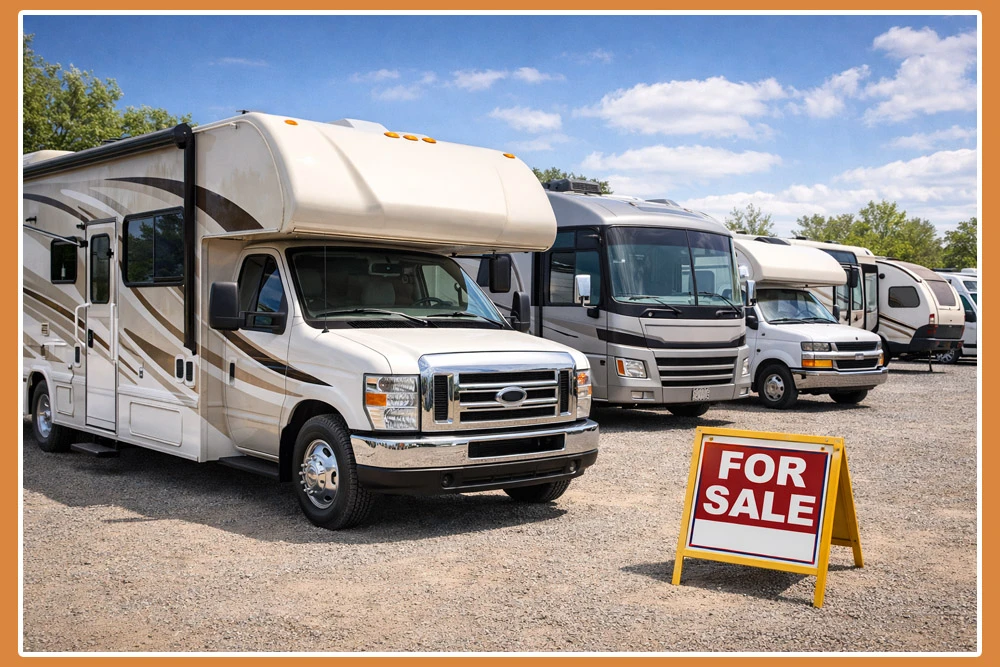

Buying a used RV is less about “The best model” and more about fit. The right rig matches how you travel, where you park and how much time you want to spend setting up, maintaining and driving. Before you browse listings, map your travel style to an RV type you can realistically own and service.
Start With How You Actually Travel
Think about trip length, who comes with you and the roads you use most. Weekend coastal runs and long outback loops demand different layouts and different chassis. If you change locations every day, you’ll value quick setup and easy access to the kitchen & bathroom. If you stay put for a week, storage, comfort & power options matter more. Browse used RVs for sale and find the right fit for your trips—visit our site https://gippslandrvmarine.au/current-stock/25b8f12940
Match RV Types to Your Priorities
A campervan suits couples or solo travellers who want simple parking and city-friendly size. It’s the easiest to drive, but space and payload are limited. A motorhome gives walk-through access and fast stops, which is great for touring-heavy routes, but servicing the engine and living systems can cost more & downtime can affect both. A caravan is ideal if you like to unhitch and use the tow vehicle for day trips, but you need a capable tow setup and confidence reversing and setting up. A fifth wheeler offers strong space & stability, yet requires a suitable ute and hitch, plus extra length planning.
Check Tow, Weight and Licensing Early
Numbers decide what’s practical. Confirm your vehicle’s tow rating, the RV’s ATM/GVM, ball weight & payload. Don’t guess-read the compliance plates and verify with the manufacturer specs. Overloading is common in used rigs because accessories add weight fast: batteries, solar, tools, extra water and aftermarket storage.
Inspect Layout Like a Service Tech
Open every hatch, sit on every seat and picture a rainy day inside. Prioritise a usable shower, sensible bed access & ventilation. Look for signs of leaks around windows, roof joins, bathroom corners and external lockers. Test appliances on their actual power source: gas, 12V and 240V. A good pre-purchase inspection from an RV service centre is worth it, especially for brakes, bearings, suspension, hot water & electrical safety.
Choose With Ownership in Mind
Pick the simplest RV that still supports your trips. A smaller, well-maintained unit often delivers more travel days than a larger one that’s hard to tow, store, or repair. Aim for a setup you can service locally, with parts that are still available.
Next step: shortlist two RV types, set a realistic tow and payload limit, then book an inspection before you commit.
Author Resource:-
Devon Curran writes about boats for sale and caravan sales, helping adventurers find their perfect escape.





























Sign in to leave a comment.