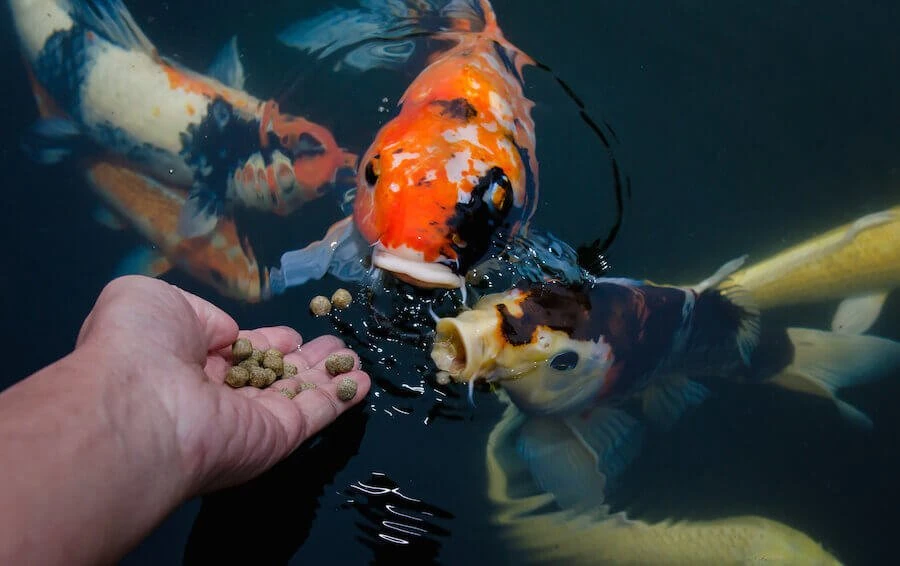

A well-maintained pond is not just a serene water feature; it's a thriving ecosystem. One key element to achieving and sustaining a balanced pond ecosystem is using water plants as natural filters.
Let's Explore The Role Of Water Plants In Maintaining Water Quality And Creating a Harmonious Environment For Pond Life.
The Importance of Water Filtration in Ponds:
Before delving into specific water plants, it's crucial to understand why filtration is vital for a pond ecosystem. Ponds, whether artificial or natural, accumulate various impurities over time, including organic debris, excess nutrients, and algae. Without efficient filtration, these elements can disrupt the ecological balance, leading to poor water quality, murky water, and potentially harmful conditions for aquatic life.
Submerged Water Plants:
Submerged water plants, also known as oxygenators, play a pivotal role in maintaining water clarity and quality. Species like Anacharis, Hornwort, and Vallisneria absorb nutrients, release oxygen, and compete with algae for resources. Their continuous growth helps prevent algae blooms and keeps the water well-aerated, ensuring a healthy habitat for fish and other aquatic organisms.
Floating Water Plants: Shade and Nutrient Absorption:
Floating water plants, such as Water Hyacinth and Water Lettuce, add aesthetic appeal to a pond and contribute significantly to water filtration. Their extensive root systems absorb excess nutrients like nitrogen and phosphorus, limiting the availability of these compounds for algae. Additionally, their broad leaves provide shade, reducing sunlight penetration and inhibiting algae growth.
Emergent Water Plants:
Plants like Cattails, Iris, and Pickerelweed fall under emergent water plants. Positioned along the pond's edges, these plants are natural filters by absorbing nutrients directly from the water and trapping sediments. Their upright growth also provides shelter for small fish and amphibians while enhancing the visual appeal of the pond.
Water Lilies:
Water lilies are not just iconic for their stunning blooms but also for their role in pond ecosystems. Their floating leaves create shade, reducing sunlight penetration and regulating water temperature. Additionally, water lilies absorb excess nutrients, promoting clarity and creating a balanced environment for fish and other aquatic life.
Lotus Plants:
Lotus plants are revered for their ornamental value but also for effective natural filters. Their large, round leaves provide shade and cover for fish while their submerged roots absorb nutrients. Lotus plants are beneficial in larger ponds, where their expansive growth can contribute to comprehensive filtration.
Tips for Implementing Water Plants in Your Pond:
Diversity Matters: Incorporate a variety of water plants to address different aspects of pond filtration. A diverse plant community ensures comprehensive nutrient absorption and contributes to a visually appealing landscape.Proper Placement: Consider the specific needs of each water plant species and strategically place them throughout the pond. Submerged plants near the bottom, floating plants on the surface, and emergent plants along the edges create a well-balanced filtration system.Regular Maintenance: Monitor the growth of water plants and conduct routine maintenance to prevent overgrowth. Thinning out excess vegetation and removing decaying leaves while ensuring a balanced fish food supply helps maintain optimal filtration efficiency for a healthier and more vibrant aquatic environment.In conclusion, selecting the right water plants for your pond can transform it into a thriving ecosystem. The natural filtration provided by submerged, floating, emergent, and ornamental plants is a sustainable and aesthetically pleasing way to maintain water quality and support a diverse range of aquatic life. By harnessing the power of these plants, you not only enhance the beauty of your pond but also contribute to its overall health and balance.










Sign in to leave a comment.