
Healthcare runs on a constant flow of medical supplies. Hospitals, clinics, and surgery centers need everything from basic consumables to high-tech equipment, and the way they source these products shapes their costs, day-to-day operations, and long-term growth. One big decision for administrators? Deciding between wholesale medical suppliers and local vendors.
That is where MedWorks Advantage steps in. We work with healthcare organizations to make smarter buying choices, offering reliable bulk medical supplies and wholesale equipment that keep things running smoothly. Hence, what really sets wholesale suppliers apart from local vendors? And which one actually makes life easier for today’s healthcare facilities? In this blog, we will dig into the details.
Understanding wholesale medical suppliers and local vendors
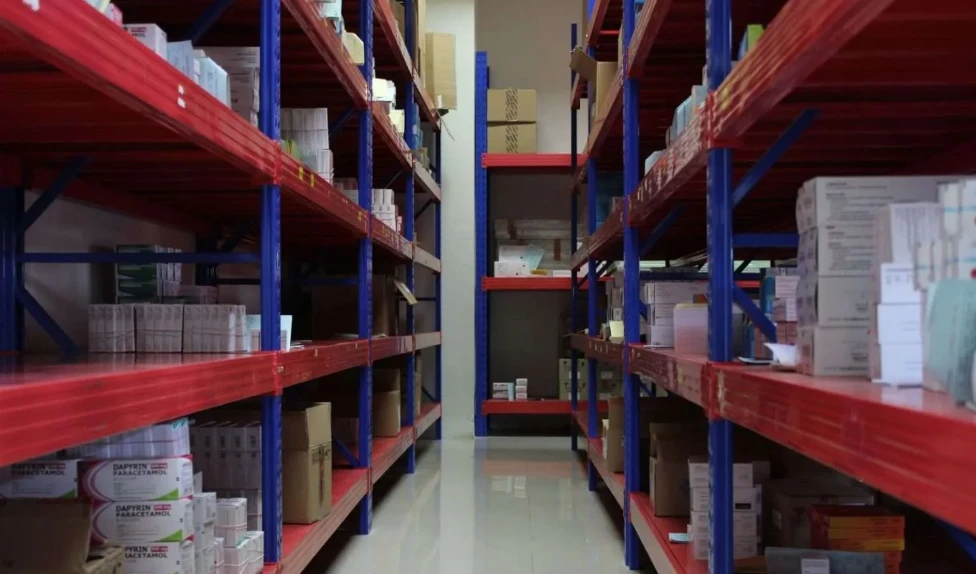
Wholesale medical suppliers handle large orders, shipping medical products in bulk to hospitals and clinics nationwide. They usually have massive catalogs and offer deals based on how much you buy.
Local vendors are a different story. They are smaller, stick to a specific area, and can get things to you faster if you are nearby. But their inventory is not as deep, and prices per item are usually higher.
Hence, which one is better? It really comes down to what your facility needs. Think about how much you order, how big your operation is, and what matters most to you day-to-day.
Cost efficiency and pricing structure
One of the most significant differences between wholesale suppliers and local vendors is cost.
Wholesale medical suppliers
Wholesale suppliers focus on selling medical supplies in bulk, which helps healthcare facilities in several key ways. First, buying in large quantities lowers the price per item through volume discounts. Fewer orders also mean less paperwork and lower administrative costs. Plus, these deals usually lock in prices for the long haul, making budgeting much easier.
For hospitals and big clinics, buying bulk medical supplies is not just a nice-to-have; it saves serious money over time. That extra cash can go straight into better patient care or more staff.
Local vendors
Now, local vendors work differently. They tend to buy smaller batches themselves, so they cannot offer the same deals. The price per item goes up, you get less wiggle room to negotiate, and making lots of small orders racks up costs fast.
Local vendors can help out in a pinch or with last-minute needs. But for regular, high-volume buying, they end up costing more.
Reliability and supply chain stability
Healthcare runs on a steady flow of supplies. When that chain breaks, everything grinds to a halt.
Popular wholesale medical suppliers know this. They have built strong logistics networks and innovative inventory systems to handle the heavy lifting of regular bulk orders, busy seasons, and clinics that work across several locations.
Local vendors, on the other hand, cannot always keep up. When the supply chain hits a snag or demand suddenly jumps, they often fall short. That makes them tricky partners for hospitals or practices that need reliable, large-scale support.
Scalability for growing healthcare facilities
When your healthcare facility grows, it may be that you are adding more services or just seeing more patients. Finally, you end up needing a lot more supplies.
That is where wholesale suppliers really shine. They let you order in bulk, set up long-term contracts, and even customize how you get what you need.
A reliable distributor like MedWorks Advantage keeps up with your growth. You do not have to worry about running out or scrambling to keep everything stocked.
Local vendors cannot match that. They often run into problems with storage space, limited products, or just not being able to reach you when you need them most—scaling up with them? That is tough.
Quality assurance and compliance
Medical supplies must adhere to strict quality and regulatory standards. Most wholesale suppliers source their products from certified manufacturers and handle all the required FDA and ISO paperwork. They make sure every order meets the same quality standards and have solid quality control in place. Some local vendors also follow these rules, but honestly, the quality can bounce around, especially if you are buying from a bunch of smaller manufacturers.
Customer support and strategic partnership
One of the biggest perks of working with an established wholesale supplier is the partnership. It’s not just about selling products. Good distributors bring real industry know-how, help you pick the right products, and make the whole ordering process easier. Plus, you get customer support that actually cares.

At MedWorks Advantage, we do not want to be just another supplier. We are here to help healthcare facilities work smarter and more efficiently, for the long haul.
Sure, local vendors might give you that personal touch, but they usually cannot match the resources or the level of support you get from a bigger partner.

Sign in to leave a comment.