Buying a newly constructed home is an exciting milestone. The promise of a fresh start, modern amenities, and brand-new finishes makes new homes appealing to many buyers. However, even new construction homes can have hidden issues that might not be immediately visible. This is why a new construction home inspection is crucial before you finalize your move-in.
A thorough inspection ensures that the home meets quality standards, complies with building codes, and is safe and sound for you and your family. This article will explore why getting a new construction home inspection is essential, what it typically involves, and how it protects your investment.
Understanding New Construction Home Inspections
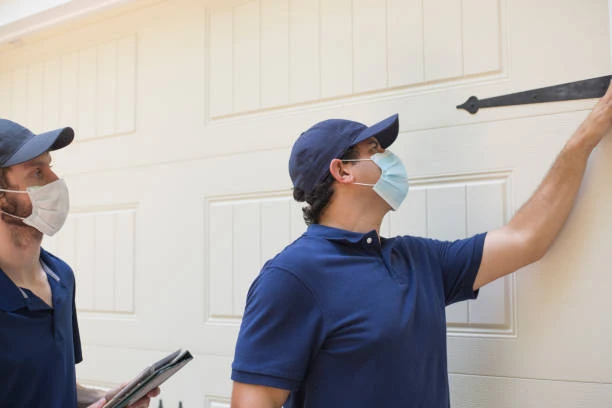
A new construction home inspection is a detailed examination conducted by a certified building inspector to assess the quality and condition of a newly built home before the buyer takes possession.
Why Inspect a Brand-New Home?
Many buyers assume that new homes don’t need inspections since they’re freshly built and often come with builder warranties. However, even the best builders can make mistakes or use subpar materials, and construction errors can go unnoticed until after moving in. An inspection catches these issues early.
What Does a New Construction Home Inspection Cover?
Unlike inspections for older homes that focus heavily on wear and aging, inspections for new homes look for:
- Compliance with local building codes
- Proper installation of electrical, plumbing, and HVAC systems
- Structural soundness of foundations, walls, and roofing
- Finishes such as drywall, flooring, windows, and doors
- Safety features like smoke detectors and fire exits
The Importance of New Construction Home Inspection
Having your new home inspected before moving in can save you time, money, and stress. Here are the main reasons why this step is vital.
Detect Construction Defects Early
During the building process, errors such as improperly installed wiring, plumbing leaks, or foundation cracks can occur. If left uncorrected, these defects can lead to costly repairs later. Early detection means the builder can fix these problems under warranty before you take ownership.
Verify That the Home Meets Building Codes and Standards
Building codes are in place to ensure homes are safe and structurally sound. An inspection confirms that all systems meet these minimum standards, giving you peace of mind that your home is safe.
Prevent Safety Hazards
Issues like exposed wiring, faulty electrical outlets, or improperly installed smoke detectors can pose serious safety risks. An inspection ensures your new home is a safe environment for your family.
Ensure Quality Workmanship
Inspectors check if materials are installed properly and finishes meet industry quality standards. Spotting poor workmanship allows you to request corrections before moving in.
What to Expect During a New Construction Home Inspection
Knowing what happens during the inspection helps buyers prepare and understand the process.
Scheduling the Inspection
Typically, a new construction home inspection is scheduled after the builder has completed most of the work but before you close on the home. Sometimes buyers opt for multiple inspections during different construction phases.
The Inspector’s Walkthrough
A certified home inspector will conduct a systematic examination of the entire property, inside and out. They assess:
- Structural Elements: Foundations, walls, ceilings, floors, and roof framing
- Mechanical Systems: Electrical wiring, plumbing, heating, ventilation, and air conditioning (HVAC)
- Interior Finishes: Drywall, paint, flooring, cabinetry, doors, and windows
- Exterior Features: Siding, roofing, drainage, and landscaping
- Safety Systems: Smoke detectors, carbon monoxide alarms, handrails, and fire escapes
Receiving the Inspection Report
After the inspection, you will receive a detailed report outlining any issues found, photos of problem areas, and recommended repairs or corrections. This report is a valuable tool for negotiating with the builder.
Common Issues Found in New Construction Homes
Even the newest homes can have hidden defects. Here are some common problems discovered during new construction home inspections:
Structural Concerns
- Foundation cracks or improper settling
- Poor framing or uneven walls
- Inadequate insulation or ventilation
Mechanical and Electrical Problems
- Faulty wiring or insufficient grounding
- Plumbing leaks or improper pipe connections
- HVAC systems that don’t operate efficiently
Finishing Defects
- Uneven paint or drywall damage
- Misaligned doors and windows
- Flooring scratches or gaps
Safety Issues
- Missing or non-functional smoke detectors
- Insecure handrails on stairs
- Improperly installed fire exits
How a New Construction Home Inspection Protects Your Investment
Your home is likely the largest investment you’ll ever make. Protecting that investment means knowing exactly what condition it’s in before you move in.
Negotiate Repairs with Your Builder
If your inspection uncovers defects or unfinished work, you can request the builder to fix these issues before closing. This saves you from unexpected repair bills.
Avoid Future Expenses
By identifying potential problems early, you reduce the risk of costly emergency repairs after moving in, such as plumbing failures or electrical faults.
Enhance Your Home’s Resale Value
A well-documented inspection history assures future buyers that your home has been properly maintained and inspected, potentially increasing resale value.
Tips for a Successful New Construction Home Inspection
To make the most out of your inspection, consider these helpful tips:
Hire a Certified and Experienced Inspector
Look for inspectors certified by reputable organizations and with experience inspecting new construction homes specifically.
Attend the Inspection
Being present during the inspection lets you ask questions and understand the issues firsthand.
Request Multiple Inspections
If possible, schedule inspections at different construction stages (e.g., framing stage and final walkthrough) for thorough oversight.
Review the Report Carefully
Go over the inspection report carefully and prioritize repairs before closing the sale.
Conclusion
Even though a new construction home is brand new, an inspection is a crucial step before you move in. It helps uncover hidden defects, verify safety and code compliance, and ensures quality workmanship. By investing in a professional new construction home inspection, you protect your investment, safeguard your family, and gain peace of mind as you start your new chapter in a secure, well-built home.
























Sign in to leave a comment.