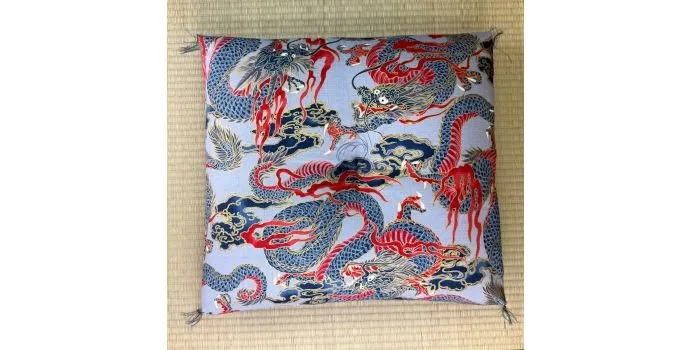

Floor seating has quietly found its way into modern homes, blending simplicity with comfort. Yet, sitting directly on the floor often leads to discomfort over time. This is where a Zabuton becomes part of the conversation. Rooted in Japanese culture, this cushion supports a more natural sitting posture without compromising comfort. Whether you’re creating a meditation corner or a relaxed living space, understanding how a Zabuton works can reshape how you sit, relax, and connect with your surroundings in a more grounded and mindful way.
The Quiet Shift Toward Floor Living
More people are rethinking how they use their living spaces. Traditional furniture still has its place, but floor seating adds flexibility and a sense of openness. You can move easily, sit casually, and create a more relaxed atmosphere. However, the idea often sounds better than it feels—especially when the floor is hard.
This is where the Zabuton fits naturally into the picture. It supports the body while maintaining the simplicity that makes floor seating appealing in the first place. Instead of forcing your body to adapt, it allows a smoother transition into this style of living.
What Makes a Zabuton Different?
At first glance, a Zabuton may seem like just another cushion. But its design follows a clear purpose. It is typically flat, square, and filled with materials that balance softness and support. Unlike thick pillows that sink too much, it keeps you stable while reducing pressure on your hips and knees.
A Japanese Zabuton is often used with low tables or meditation setups. Its structure encourages a natural alignment of the spine. This detail may seem small, but it changes how long and how comfortably you can sit.
A More Natural Way to Sit
Modern seating often pushes the body into fixed positions. Chairs, especially poorly designed ones, can lead to stiffness over time. Floor seating, when done right, allows more movement. You can shift positions, stretch, or sit cross-legged without restriction.
The Zabuton supports this freedom. It cushions the body while still allowing you to stay connected to the ground. This balance creates a sitting experience that feels less forced and more intuitive.
Creating a Space That Feels Intentional
A well-placed Zabuton does more than provide comfort. It helps define a space. Whether it’s a reading corner, a tea area, or a quiet place to think, it signals a shift in how the space is used.
A Japanese Zabuton often pairs with minimal design. Clean lines, soft textures, and natural materials come together to create a calm environment. This approach doesn’t rely on excess. Instead, it focuses on purpose and presence.
The Cultural Influence Behind the Design
The Zabuton comes from a long tradition of floor living in Japan. It reflects a lifestyle that values simplicity, mindfulness, and efficient use of space. Sitting closer to the ground creates a different relationship with your environment.
While modern homes may not follow traditional Japanese layouts, the idea still translates well. The Zabuton allows you to bring a piece of that philosophy into your daily routine without needing to redesign your entire home.
Adapting to Everyday Use
You can use it in different settings without overthinking the arrangement. It works for casual gatherings, quiet moments, or even work-from-home setups that don’t rely on desks and chairs.
The Japanese Zabuton adapts without drawing too much attention. It becomes part of the background while quietly improving how you sit. This subtlety is what makes it easy to incorporate into different lifestyles.
Avoiding Common Floor Seating Mistakes
Many people try floor seating but give up quickly because they overlook comfort. Sitting directly on a hard surface strains the body. Using overly soft cushions can also create imbalance.
A Zabuton avoids both extremes. It provides a stable base while still offering comfort. Choosing the right thickness and material makes a noticeable difference. It’s not about adding more padding; it’s about finding the right kind of support.
Another common mistake is ignoring posture. Even with a cushion, posture matters.
Blending Tradition with Modern Living
You don’t need a traditional setting to use a Zabuton. It works just as well in contemporary spaces. Pair it with modern décor, neutral tones, or even bold designs—it adapts without losing its essence.
The Japanese Zaibuton bridges the gap between past and present. It respects its origins while fitting seamlessly into modern routines. This flexibility makes it relevant in today’s homes.
The Closing Thoughts
A Zabuton is more than a simple cushion; it shapes how you experience floor seating. By offering the right balance of comfort and support, it turns an often-overlooked idea into a practical and enjoyable part of daily life.
Whether inspired by tradition or modern design, the Japanese Zabuton brings a thoughtful approach to how we sit and interact with our spaces. As homes continue to evolve, small changes like this can make a lasting difference in comfort, focus, and the overall feeling of being at ease within your environment.






















Sign in to leave a comment.