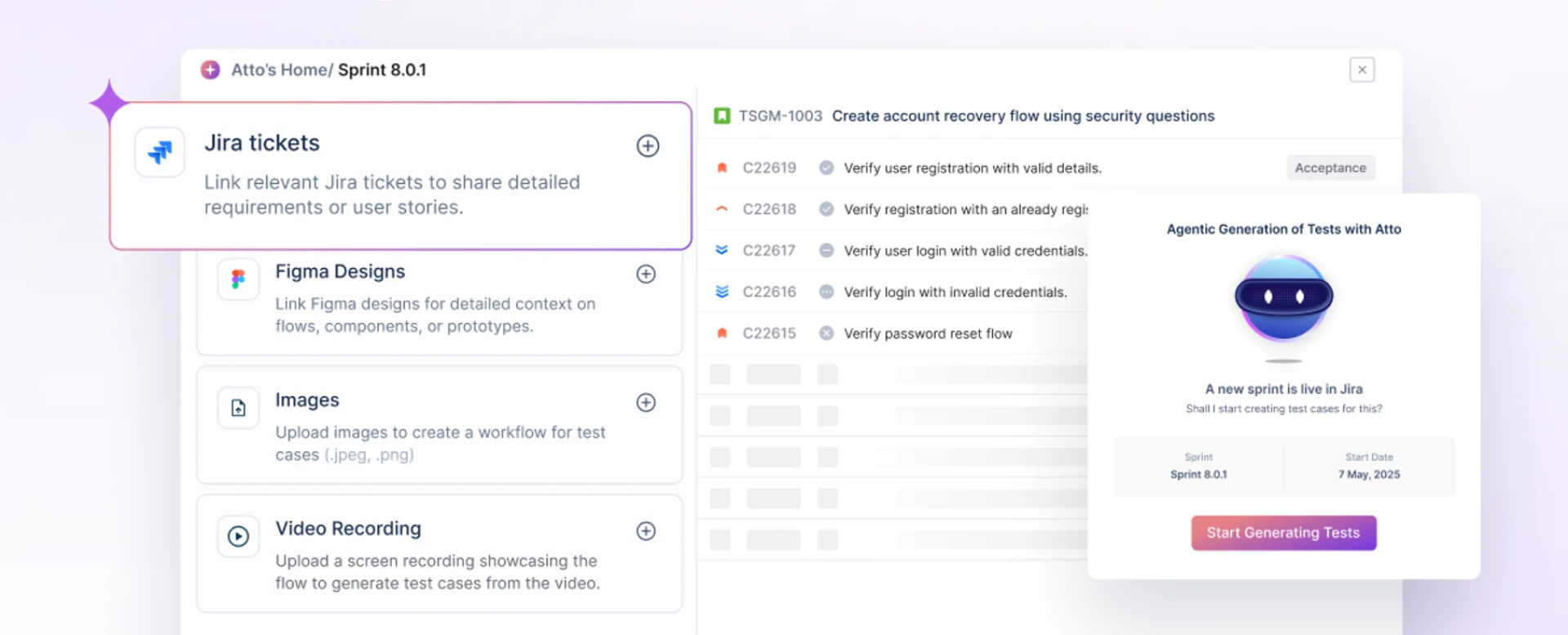

In today’s competitive software landscape, enterprises demand testing that is robust, efficient, and reliable. Manual testing and scripted automation often struggle with scalability and speed. AI Driven Test Automation empowers QA teams with intelligent solutions that maximize coverage, accuracy, and productivity. This article explores why AI Driven Test Automation is set to dominate the future of testing for modern organizations.
What is AI Driven Test Automation?
Definition and Key Features
- AI Driven Test Automation utilizes artificial intelligence and machine learning to automate the creation, execution, and maintenance of test cases.
- The technology goes beyond traditional rule-based scripts, enabling platforms to process natural language, adapt to code and UI changes, and predict risk using historical data.
- Core features include natural language processing, self-healing scripts, automatic test generation, adaptive learning, and dynamic integration with development tools.
Traditional Test Automation vs. AI Driven Test Automation
Traditional Test Automation:
- Highly dependent on manual scripting
- Requires frequent updates and maintenance
- Limited test coverage due to static test cases
- No learning or adaptation from previous test cycles
- Integrations are typically static and rule-based
AI Driven Test Automation:
- Minimizes manual script-writing using codeless options and NLP
- Automatically adapts and self-heals as applications change
- Generates smarter, more comprehensive test coverage
- Learns from previous test executions to improve future tests
- Integrates dynamically and predictively with other platforms
Benefits of AI Driven Test Automation
Improved Test Coverage and Accuracy
- AI algorithms analyze application changes quickly and generate a wider set of test scenarios
- Detects defects more reliably and ensures higher product quality
Faster Test Execution and Reduced Testing Time
- Automates test creation and execution, reducing time spent on repetitive test cycles
- Enables rapid regression testing and accelerates overall delivery timelines
Cost Savings for Organizations
- Less manual effort and reduced maintenance lead to significant savings in operational costs
- Allows teams to accomplish more with fewer resources
Key Impacts
- Coverage increases by 20–50 percent compared to legacy automation techniques
- Test execution times can decrease by up to tenfold
- Manual QA expenses drop by 30–40 percent
- Up to 80 percent reduction in escaped defects
Challenges and Pitfalls of AI Driven Test Automation
Potential Limitations and Constraints
- Organizations may encounter a skills gap when adopting AI technologies
- The success of AI depends on clean, high-quality test data
- Requires upfront investment for implementation and platform licensing
- Integrating AI platforms with existing systems can be complex
How to Overcome Challenges
- Prioritize upskilling and onboarding for QA teams, and implement adoption in phases
- Cleanse test data thoroughly before introducing AI solutions
- Start with a small-scale pilot project to validate ROI and reduce risks
- Select platforms with open APIs for seamless integration
- Use built-in analytics to monitor, assess, and refine your strategies
Case Studies and Examples
Successful Implementations
- A financial institution reduced regression test cycles from 48 hours to 6 hours and saw a 70 percent drop in post-release defects.
- An enterprise SaaS provider automated 85 percent of their test suite and enabled weekly software releases by leveraging AI Driven Test Automation.
Impact on Software Development and Testing Processes
- Test coverage increased significantly
- Release schedules became faster and more reliable
- Operational costs decreased
- Customer satisfaction and product reliability improved
Future Trends and Predictions
Evolution of AI Driven Test Automation
- By 2028, 70 percent of new test cases may be generated by AI rather than human testers
- About half of enterprise QA sessions may use voice-driven or conversational bots
- Predictive analytics could help reduce the number of bugs reaching production by 40 percent
- Open API integrations will make 80 percent of platforms highly interoperable
Role of AI in Emerging Technologies
- AI will allow for real-time, continuous, and cross-device testing across web, mobile, and IoT
- Will support next-generation DevOps and agile teams in shifting QA further left
Conclusion
AI Driven Test Automation is fundamentally transforming software quality assurance. Organizations leveraging intelligent automation platforms gain better test coverage, faster cycles, higher accuracy, and substantial cost efficiency. The future of QA is adaptive, predictive, and powered by AI and it’s here for businesses ready to embrace it.












Sign in to leave a comment.