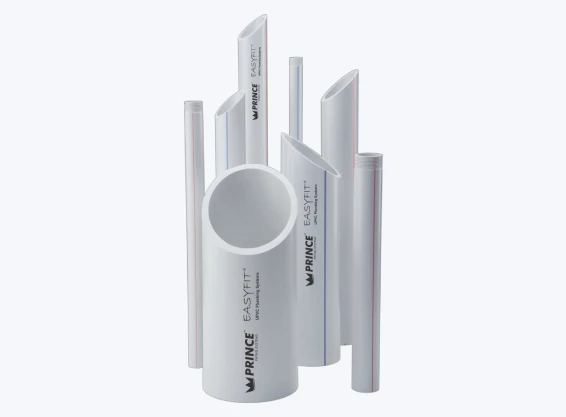
When it comes to ensuring a reliable and efficient hot water supply, the material you choose for your plumbing system matters. CPVC pipes are among the best options for both residential and commercial plumbing applications. CPVC is a plastic piping engineered to withstand temperatures higher than those of regular PVC pipes.
This makes it the ideal choice for systems that transport hot water, offering a range of benefits that contribute to long-lasting, safe, and efficient water distribution:
Exceptional heat resistance
CPVC pipes have exceptional heat resistance. Unlike traditional PVC pipes, which can degrade under high temperatures, CPVC can withstand temperatures up to 93°C. This makes it perfect for domestic hot water systems and use in commercial settings where consistent hot water delivery is essential. Whether for showers, taps, or radiators, CPVC ensures a reliable and unaffected water supply, preventing issues such as pipe warping or burst pipes due to thermal stress.
Durability and longevity
Another reason why CPVC is highly recommended for hot water systems is its durability and longevity. CPVC pipes are resistant to corrosion, scale, and biofilm build-up, which are common problems in metal piping systems. This corrosion resistance ensures that the pipes maintain their structural integrity over time, almost eliminating the need for frequent repairs or replacements.
The smooth internal surface of CPVC also allows water to flow freely, minimising the risk of blockages, which can be a concern with older, corroded pipes.
Ease of installation
Apart from their heat and corrosion resistance, CPVC pipes are easy to install and maintain. Unlike metal pipes, which require welding or complex fittings, CPVC pipes are lightweight and can be easily connected using solvent cement. This ease of installation reduces both the time and cost of labour, making it an attractive choice for plumbers and homeowners alike.
With simple fittings, CPVC pipes can be installed in less time than traditional metal pipes, leading to a quicker and more efficient project completion.
Cost-effectiveness
Cost-effectiveness is a factor to consider when selecting CPVC pipes for hot water systems. Although PVC pipe prices are typically lower than CPVC, the latter offers superior performance for hot water applications. The long-term durability and low maintenance costs of CPVC pipes offset the initial price difference.
Furthermore, since CPVC pipes are resistant to scaling and clogs, there are fewer chances of system breakdowns, which can be costly to repair.
Safety and environmental benefits
Safety is another crucial consideration when selecting materials for plumbing systems, particularly for transporting hot water. CPVC pipes are non-toxic and prevent harmful chemicals or pollutants from entering the water, ensuring the water supply remains clean and safe for everyday use. This makes CPVC an environmentally friendly option for homes and businesses looking to prioritise health and safety.
Conclusion
CPVC pipes offer unmatched durability and efficiency for hot water systems, ensuring long-term reliability. Choose CPVC for a safe, cost-effective, and hassle-free plumbing solution.










Sign in to leave a comment.