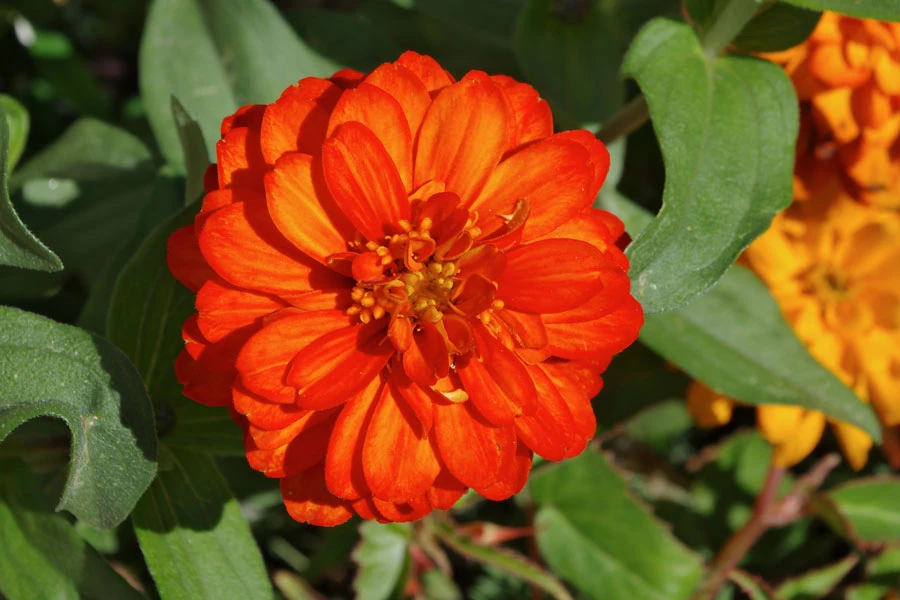

Zinnias are a gardener\'s delight, known for their vibrant colors and robust blooms. These beauties can transform any garden into a riot of color. But even the most resilient plants can show signs of distress. One common issue many garden enthusiasts encounter is zinnia leaves turning brown and crispy. Understanding the underlying reasons and knowing how to address them is key to maintaining a thriving garden.
Introduction
Zinnias are beloved for their dazzling array of colors and relatively low maintenance. They are a staple in many home gardens due to their long blooming season and striking appearance. However, like all plants, they are susceptible to certain health issues. One such problem is the browning and crisping of their leaves.
Maintaining the health of your zinnia plants is crucial for a flourishing garden. Brown and crispy leaves can be a sign of various underlying problems. In this blog post, we will delve into the common causes of this issue and provide detailed solutions to help you keep your zinnias healthy and vibrant.
Understanding Zinnia Leaf Problems
Recognizing Symptoms
Before diving into solutions, it\'s important to accurately identify the symptoms your zinnias are exhibiting. The most noticeable symptom is the browning and crisping of the leaves. This can occur alongside other symptoms, such as:
- Curling Leaves: Indicates stress, often from water issues or pest infestations.
- Yellowing Seedlings: Suggests nutrient deficiencies or improper watering.
- Powdery Mildew or Black Spots: Secondary symptoms often associated with fungal infections.
Recognizing these symptoms early can help you take prompt action and prevent further damage to your plants.
Common Reasons for Brown and Crispy Zinnia Leaves
Overwatering and Underwatering
Watering issues are among the most common culprits behind unhealthy zinnia leaves. Both overwatering and underwatering can lead to brown and crispy leaves.
Signs of Overwatered Zinnias
Wilting despite moist soil indicates root rot, a result of too much water. Soft stems often accompany wilting and are a clear sign of overwatering. Yellowing leaves, not to be confused with underwatering, generally show uniform yellowing due to overwatering.
Signs of Underwatered Zinnias
Dry soil is a clear indicator that your zinnias need more water. Leaves may curl inward to conserve moisture, and wilting from underwatering occurs when the soil is dry, unlike the wilting caused by overwatering.
Fungal Infections
Fungal diseases can wreak havoc on your zinnia plants if not addressed promptly. The most common fungal infections include powdery mildew and Alternaria blight.
Overview of Fungal Diseases
- Powdery Mildew: Appears as white, powdery spots on leaves. It thrives in humid conditions and poor air circulation.
- Alternaria Blight: Manifests as dark, concentric spots on leaves, leading to browning and eventual death of leaf tissue.
Symptoms and Diagnosis
- Powdery Mildew: Look for white patches that spread over time.
- Alternaria Blight: Check for dark spots that merge and cause leaf browning.
Pest Infestations
Pests are another significant cause of zinnia leaf issues. Common pests include aphids, spider mites, and Japanese beetles.
Common Pests Affecting Zinnias
- Aphids: Small, green insects that cluster on leaves and stems, often causing yellowing and deformation of plant tissues.
- Spider Mites: Tiny, spider-like pests that create fine webs on leaves and can lead to stippling, discoloration, and eventually leaf drop.
- Japanese Beetles: Larger insects that chew through leaves, leaving behind skeletonized foliage and can severely damage plants if left unchecked.
Symptoms of Pest Infestations
- Aphids: Look for sticky residue (honeydew) on the leaves and stems, and check for distorted or curled leaves which are signs of aphid infestation. They can be green, black, or other colors.
- Spider Mites: Identify fine webs on the undersides of leaves and speckled, discolored foliage. These tiny pests can cause significant damage if not controlled promptly.
- Japanese Beetles: Noticeable holes and skeletonized leaves are key indicators. These metallic green and bronze beetles feed on the tissue between the leaf veins, leaving a lace-like appearance.
Preventative Measures and Solutions
Proper Watering Techniques
Ensuring your zinnias receive the right amount of water is crucial for their health. These vibrant flowers thrive best when their soil is kept consistently moist but not waterlogged. Overwatering can lead to root rot, while underwatering can cause the plants to wilt and their blooms to fade. To achieve the perfect balance, water your zinnias deeply at the base of the plant a few times a week, adjusting the frequency based on weather conditions and soil drainage.
Tips for Correct Watering
- Consistent Schedule: Water your plants deeply and consistently, preferably in the morning to allow the soil to absorb the moisture and reduce evaporation. Consistent watering helps maintain healthy growth and prevents stress on the plants.
- Well-Draining Soil: Ensure your soil allows excess water to drain away, preventing root rot and other water-related issues. You can improve soil drainage by mixing in organic matter like compost or using raised beds.
- Mulching: Use mulch to retain moisture and regulate soil temperature. Mulching also helps suppress weeds and provides organic matter as it decomposes, which can benefit the soil structure and health over time.
Fungal Control Strategies
Preventing and treating fungal infections requires diligence and the right approach.
One effective treatment option is the use of fungicides. Apply fungicides that are appropriate for powdery mildew and Alternaria blight, and always follow the product instructions carefully.
Natural remedies can also be effective. Neem oil and baking soda solutions have shown success in combating mildew.
Preventative measures are equally important. Ensure proper spacing between plants to allow for good air circulation. Additionally, regular monitoring of plants is crucial to catch early signs of fungal infections.
Pest Management
Managing pests involves both preventative measures and active treatment. Preventative measures may include sealing entry points, maintaining cleanliness, and using barriers or repellents. Active treatment often involves the use of traps, baits, or chemical controls to eliminate pests that have already infiltrated the area. Combining these strategies provides a comprehensive approach to pest management.
Natural Pest Control
- Beneficial Insects: Encourage predators like ladybugs and lacewings that eat harmful pests such as aphids and caterpillars. These insects can be attracted to your garden by planting flowers like marigolds and sunflowers.
- Neem Oil: Effective against a broad range of pests including mites, thrips, and whiteflies. It\'s a natural product derived from the seeds of the neem tree and can be applied as a foliar spray.
Chemical Pest Control
- Insecticidal Soaps: Target specific pests without harming beneficial insects. These soaps work by penetrating the insect\'s outer shell and causing dehydration. They are most effective against soft-bodied pests like aphids, mealybugs, and spider mites.
- Systemic Insecticides: Consider these for severe infestations but use sparingly. Systemic insecticides are absorbed by the plant and protect it from within, providing long-lasting control. However, they should be used as a last resort due to their potential impact on the environment and non-target organisms.
Additional Problems and Their Solutions
Nutrient Deficiencies
Nutrient imbalances can also cause zinnia leaves to turn brown and crispy.
Identifying nutrient deficiencies in plants is crucial. For example, nitrogen deficiency causes yellowing leaves starting from the bottom, phosphorus deficiency leads to purplish tints on leaves and stunted growth, and potassium deficiency results in brown edges on leaves. To address these issues, soil testing is essential to identify deficiencies, while balanced fertilizers can correct nutrient imbalances.
Additionally, organic amendments like compost and manure can improve soil health over time. Environmental factors, such as extreme weather, can also stress plants like zinnias, causing browning leaves. Prolonged high temperatures can lead to heat stress, scorching the leaves, while sudden drops in temperature can damage young plants. To protect against these conditions, use shade cloths during extreme heat and row covers or indoor spaces for potted plants during cold snaps.
Best Practices for Healthy Zinnias
Maintaining overall plant health involves a combination of proper care techniques.
General Care Tips
- Sunlight: Ensure your zinnias receive at least 6-8 hours of sunlight daily. They thrive in full sun and need ample light to produce vibrant blooms.
- Spacing: Plant with enough space to allow air circulation and reduce disease risk. Crowded plants can lead to increased humidity and create a breeding ground for pests and diseases.
- Pruning: Regularly remove dead or diseased foliage to promote new growth. This helps the plant focus its energy on producing healthy flowers and prevents the spread of disease.
Regular Monitoring and Maintenance
- Routine Inspections: Check your plants regularly for early signs of trouble. Look for discolored leaves, unusual spots, or pests, and address issues promptly to prevent them from worsening.
- Healthy Practices: Implement consistent care routines to keep your zinnias thriving. Water them adequately, mulch to retain soil moisture, and fertilize periodically to ensure they receive the necessary nutrients. Regular maintenance will keep your garden looking lush and vibrant.
Conclusion
In conclusion, keeping your zinnias healthy involves understanding and addressing the various issues that can cause brown and crispy leaves. By recognizing symptoms early, implementing proper watering techniques, managing pests and diseases, and maintaining overall good care practices, you can ensure your zinnias remain a vibrant part of your garden.
We hope this guide has provided valuable insights and solutions for maintaining healthy zinnia plants. If you have any experiences to share or questions to ask, we\'d love to hear from you. Keeping a beautiful garden is a rewarding journey, and we are here to support you every step of the way.
Yardener is a free gardening plant helper website that offers gardening guidance for gardeners of all skill levels. The website provides practical tips, tutorials, and recommendations to simplify gardening tasks like planting, maintaining, and designing gardens. It covers caring for various plants including flowers, vegetables, herbs, trees, shrubs, and lawn grasses. Yardener aims to make gardening more accessible for beginners, while also providing helpful tools and knowledge for experienced gardeners. Some of the specific topics covered include composting, pest management, choosing gardening tools, and overall garden design. The goal of the website is to equip visitors with the information and skills necessary to successfully start and tend a garden.
You can also follow us in social media where we share daily tips and sometimes memes:
⤷ YouTube









Sign in to leave a comment.