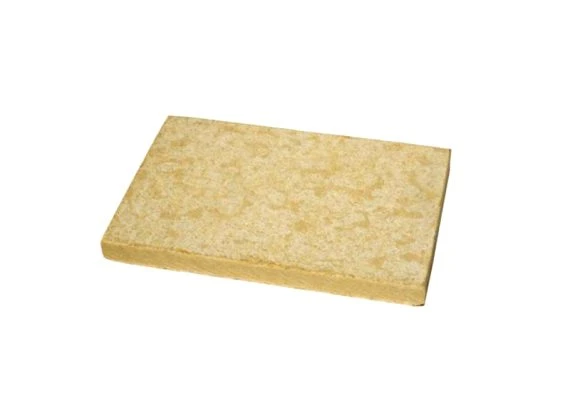

In the field of construction and building safety, the selection of insulating materials plays an essential role in improving fire protection and overall structural stability. Rockwool Fire Barriers and Rockwool Flexi Slab insulation are two of the most popular fire protection systems. These products are well-known for their superior fire resistance, thermal insulation, and adaptability across a wide range of construction applications. This comprehensive reference examines the role of Rockwool Fire Barriers and Rockwool Flexi Slab insulation in assuring building safety and fire compliance.
What is Rockwool?
Rockwool is a noncombustible stone wool insulating material made from molten volcanic rock. Spun into fibres, it has remarkable thermal and fire resistance qualities. Rockwool fire barriers available in a variety of shapes, including boards, slabs, and wraps. They are specifically designed to be inserted in walls, ceilings, and floors to form fire compartments within a structure.
Understanding Rockwool Fire Barriers
What is a Rockwool Fire Barrier?
Rockwool Fire Barriers are specially constructed insulating barriers consisting of stone wool, a non-combustible substance generated from volcanic rock. These barriers are used in buildings to restrict the spread of fire and smoke, compartmentalise fire-prone regions, and provide critical time for evacuation and firefighting attempts.
Key Features and Advantages of Rockwool Fire Barriers
Exceptional Fire Resistance: Rockwool Fire Barriers are highly fire resistant, withstanding tremendous temperatures and preventing the spread of flames and smoke.
Non-combustible: Because these barriers are composed of stone wool, they are intrinsically non-combustible, which means they do not contribute to fire fuel and serve to keep fires under control.
Thermal Insulation: In addition to fire protection, Rockwool Fire Barriers provide great thermal insulation, which improves energy efficiency and comfort.
Sound Absorption: They also have good acoustic qualities, absorbing sound waves and minimising noise transmission between rooms, hence improving acoustic comfort inside structures.
Why Use Rockwool Fire Barriers?
Several characteristics make Rockwool fire barriers the ideal choice for fire protection in a variety of building applications.
Superior Fire Resistance: Rockwool is intrinsically non-combustible, which means it will not burn or spread fire. It can resist extremely high temperatures for lengthy periods of time, acting as an effective flame barrier.
Excellent Thermal Insulation: Rockwool fire barriers provide superior thermal insulation qualities in addition to fire protection. This leads to increased energy efficiency in buildings, lowering heating and cooling expenditures.
Acoustic Insulation: Rockwool also has excellent sound absorption properties. This helps to regulate noise transmission within a building, resulting in a calmer and more comfortable environment for inhabitants.
Lightweight and Flexible: Rockwool fire barriers, particularly Rockwool Flexi Slab, are lightweight and simple to transport and install. This lowers labour expenses and streamlines the construction process.
Durable and long-lasting: Rockwool is a strong substance that maintains its dimensional stability over time. Rockwool fire barriers retain their fire and thermal insulation qualities over the life of a structure.
Moisture Resistant: Rockwool repels moisture, preventing mould and mildew growth within the barrier. This ensures optimal performance and longevity..
Sustainable Choice: Rockwool is made from natural and recycled resources and may be recycled at the end of its life cycle. This helps to create a more sustainable construction process.
Why is Rockwool Flexi Slab a popular choice?
Rockwool Flexi Slab is a common choice for fire barriers.
High Thermal Performance: It provides great thermal insulation, which slows the spread of fire by reducing heat transfer.
Flexibility and Lightweight: Rockwool Flexi Slab's lightweight and manageability make installation within walls, ceilings and other building components easier.
Superior Sound Insulation: This material offers additional soundproofing benefits, resulting in a more comfortable building environment.
Moisture Resistant: Rockwool Flexi Slab prevents moisture absorption, ensuring fire resistance and structural integrity even in humid conditions.
Applications of Rockwool Fire Barriers
Rockwool fire barriers are used in a wide variety of building projects, including:
Residential Buildings: Rockwool fire barriers are installed in walls, ceilings, and floors of homes and apartments to create fire compartments and safeguard escape routes.
Commercial Buildings: Rockwool fire barriers are used in offices, retail establishments, and other commercial buildings to create zones, protect vital infrastructure, and guarantee occupant safety.
Industrial Buildings: Manufacturing facilities, warehouses, and other industrial buildings frequently require fire protection in high-risk regions. Rockwool fire barriers provide critical protection in these situations.
Schools and Hospitals: Occupant safety is a top priority for both types of establishments. Rockwool fire barriers are critical for compartmentalising these buildings and guaranteeing safe evacuation during a fire emergency.
Why Rockwool Fire Barriers and Flexi Slab are Important for Building Safety
High Fire Resistance: Both Rockwool Fire Barriers and Flexi Slab insulation are extremely fire resistant, satisfying all fire safety laws and standards.
Versatility: They can be employed in a variety of building applications, offering full fire protection, thermal insulation, and acoustic performance.
Longevity & Durability: Rockwool products are well-known for their durability and longevity, ensuring that fire protection and insulation benefits continue throughout the life of the structure.
Compliance and Certifications: Rockwool products meet industry standards and certifications, ensuring their performance in real-world fire conditions.
Choosing the Right Rockwool Fire Barrier Solution.
With so many Rockwool fire barrier alternatives available, the best solution for your project is determined by your specific needs. Consider factors such as:
Fire Rating: Building codes provide fire resistance ratings for various building components. Select Rockwool fire barriers that meet or surpass the necessary rating for your application.
Thickness: The thickness of the Rockwool fire barrier affects its fire resistance properties. Thicker barriers typically provide better fire ratings.
Application: Choose the right product configuration based on the location where the fire barrier will be installed (walls, ceilings, etc.).
Beyond Materials Fire Safety
While rockwool fire barriers are necessary for fire protection, a comprehensive strategy is required. This includes:
Fire Alarm Systems: Early detection of fires is critical. Fire alarm systems that have been properly installed and maintained will swiftly notify inhabitants to potential danger.
Sprinkler Systems: When a fire occurs, sprinkler systems automatically activate, dampening flames and preventing them from spreading.
Fire Drills and Evacuation Plans: Regular fire drills and detailed evacuation plans help inhabitants understand how to respond safely in the case of a fire emergency.
Conclusion
Rockwool fire barriers and Flexi Slab insulation are critical components for improving building safety, energy efficiency and acoustic comfort. Their strong fire resistance, thermal insulation capabilities, durability, and adherence to safety requirements make them ideal choices for architects, contractors, and owners. Reputable vendors such as Galaxy Insulation and Dry Lining Ltd. may provide full insulation solutions using Rockwool materials as well as experienced building safety advice. Use high-quality insulating materials to provide optimal building safety and performance.

























Sign in to leave a comment.