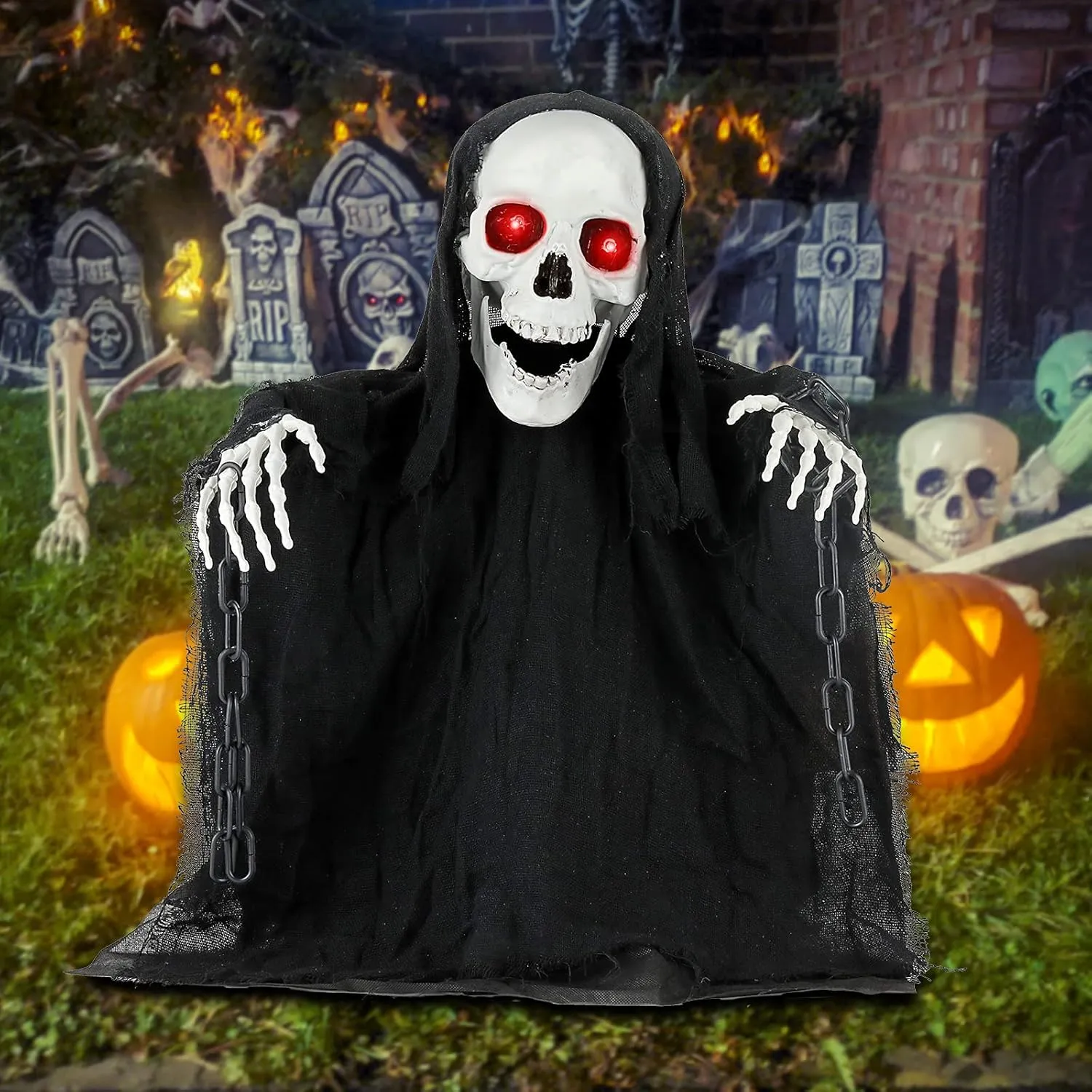

The halloween spirits meaning is rooted in a much older story than costumes, candy, and haunted houses. Halloween became associated with spirits because the season was historically connected with the boundary between life and death, the end of the harvest, and the arrival of winter. From ancient Samhain beliefs to Christian observances honoring the dead, supernatural folklore gradually shaped Halloween’s identity. Today, spirits can represent fear, mystery, remembrance, and the irresistible feeling that something unseen might be nearby when October nights grow dark.
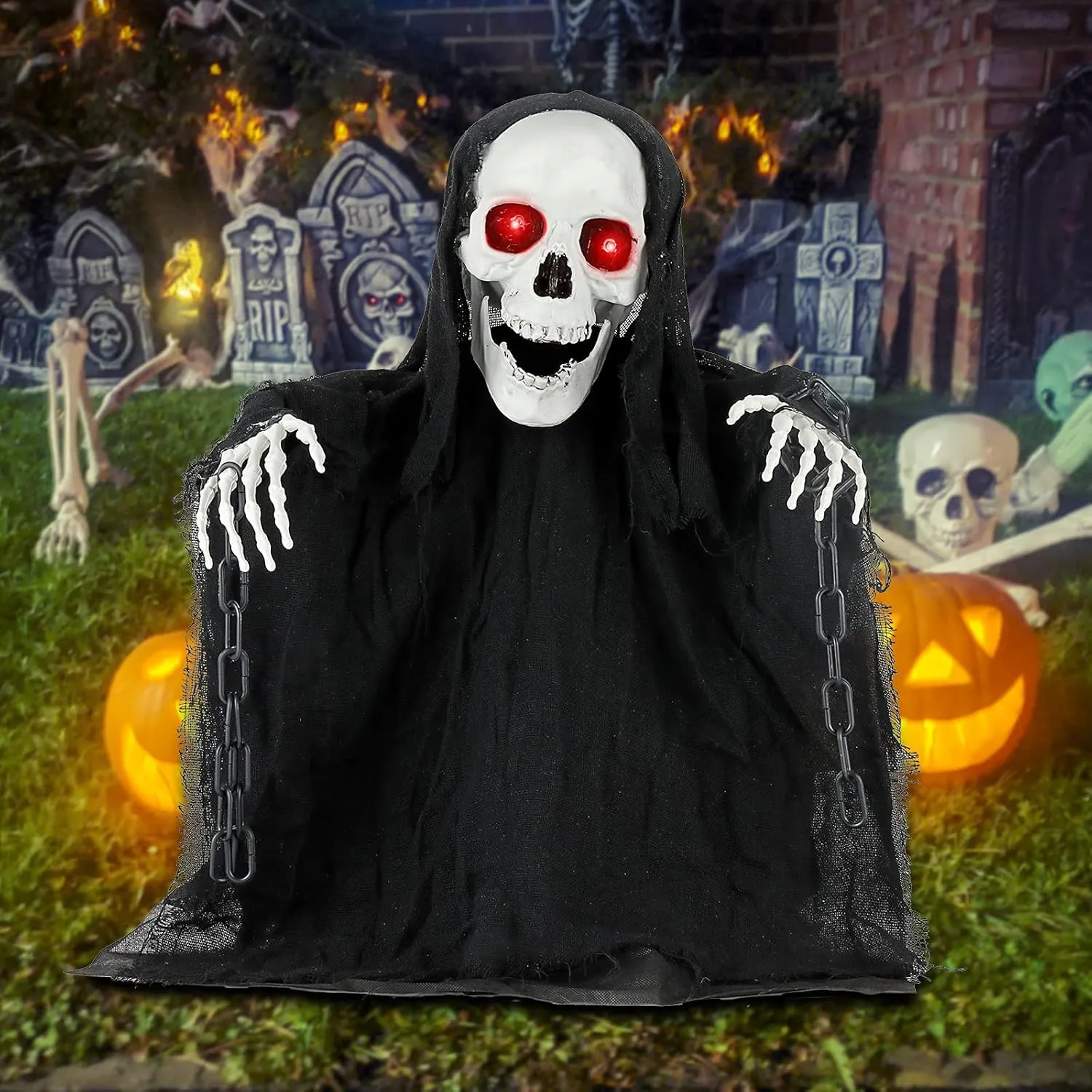
How Ancient Traditions Connected Halloween With Spirits
To understand why spirits became so closely associated with Halloween, we have to travel back to the seasonal traditions that helped shape the holiday. Halloween is commonly linked with Samhain, a Gaelic festival associated with the end of the harvest and the transition into winter. Historical accounts describe beliefs that supernatural beings could be active around this seasonal threshold. The Library of Congress notes that later Halloween traditions preserved the idea that spirits of the dead could be encountered around this time.
It is important not to oversimplify this history. Halloween was not created from one single ancient ritual, and modern descriptions of Samhain sometimes blend historical evidence with later folklore. Instead, Halloween developed through centuries of cultural change, including Gaelic traditions, Christian observances, European folklore, immigration, and American popular culture.
Samhain and the Supernatural World
Samhain marked a major seasonal transition. As summer ended and winter approached, communities faced shorter days, colder weather, and the uncertainty of the coming season.
Folklore surrounding Samhain connected this threshold with supernatural activity. Later accounts describe the boundary between the living and supernatural worlds as becoming less secure, allowing spirits and other supernatural beings to appear.
That idea is remarkably powerful.
When the natural world itself seems to be changing, it becomes easy for people to imagine another world moving closer, too.
Why Costumes and Disguises Mattered
One of the most recognizable Halloween traditions also has a supernatural connection. Historical accounts associate disguises with attempts to confuse, avoid, or protect people from supernatural beings.
Imagine an ancient village after sunset. A fire glows against the darkness. The harvest is ending. Winter is approaching. Someone puts on a mask, and suddenly an ordinary person becomes something mysterious.
That simple transformation captures one of Halloween's enduring ideas: you can temporarily step into the world of the supernatural without truly belonging to it.
From Spirits of the Dead to Halloween Folklore
As Halloween developed in medieval Europe, its supernatural associations were influenced by Christian observances surrounding saints and the dead. November 1 became All Saints' Day, while All Souls' Day followed on November 2. The evening before All Saints' Day became known as All Hallows' Eve, eventually giving us the word Halloween.
These traditions created a cultural space in which ideas about death, remembrance, souls, and the supernatural could overlap. Halloween gradually became less exclusively religious and more folkloric, but the fascination with the dead remained. Ghost stories, legends, omens, protective rituals, and supernatural characters gave people ways to explore questions about mortality while also enjoying the excitement of being frightened.
Remembering the Dead
The connection between Halloween and the dead was not always about horror.
Medieval traditions such as “souling” involved people visiting homes and receiving food in exchange for prayers for deceased souls. Related customs eventually contributed to the development of later Halloween practices.
This history reveals an important part of the halloween spirits meaning: spirits could symbolize remembrance as much as fear.
A ghost story might frighten you, but it can also remind you that someone—or something—from the past has not been forgotten.
From Religious Meaning to Folklore
Over time, supernatural figures increasingly became characters in stories rather than exclusively religious symbols.
Ghosts appeared in legends about old houses, cemeteries, lonely roads, castles, forests, and battlefields. Halloween provided the perfect annual setting for bringing these stories back to life.
The result was a fascinating transformation.
The spirit became less of a theological concept and more of a cultural character—something people could write about, dress as, decorate with, and tell stories about around a fire.
Why Ghosts Became the Face of Halloween
Among all supernatural figures, ghosts became particularly powerful Halloween symbols because they represent a space between two worlds. A ghost is familiar enough to understand but mysterious enough to fear. It suggests that death may not be the absolute end and that the past can somehow return.
This ambiguity explains why ghosts work so well in Halloween storytelling. A witch can represent magic. A vampire can represent immortality. A monster can represent danger. But a ghost can represent almost anything that refuses to disappear.
Ghosts Represent the Unknown
At its heart, Halloween is a celebration of the unknown.
What happens after death? Can the past return? What is hiding in the darkness? Is that sound coming from the house—or somewhere else?
Ghosts give these questions a visible form.
That is why the traditional white ghost, shadowy figure, haunted portrait, or translucent spirit continues to appear in Halloween decorations and stories. The imagery is simple, instantly recognizable, and emotionally powerful.
Ghost Stories Turn Fear Into Entertainment
The telling of ghost stories also helped transform supernatural beliefs into social entertainment. Sitting together in darkness and sharing frightening tales allows people to experience fear in a controlled environment.
You know you are safe.
That is precisely what makes it fun.
Halloween gives this experience an entire season. Haunted attractions, horror movies, paranormal podcasts, scary novels, escape rooms, and immersive events all build on the same ancient storytelling instinct: gather together and imagine what might exist beyond the visible world.

What Halloween Spirits Mean Today
In 2026, the supernatural side of Halloween is more diverse than ever. A modern Halloween celebration might combine traditional ghosts with horror movies, fantasy characters, paranormal stories, gothic fashion, haunted attractions, digital content, and playful decorations. Yet the underlying symbolism remains surprisingly familiar.
The spirit is still connected with the boundary between what we know and what we cannot explain.
Spirits Can Symbolize Fear and Memory
The modern halloween spirits meaning goes beyond simply “scary ghosts.”
A spirit can represent memory, loss, mystery, unfinished stories, or the feeling that the past still influences the present. That emotional flexibility makes supernatural imagery useful for both frightening and sentimental Halloween experiences.
A ghost decoration may look creepy from a distance, yet the idea behind it can be surprisingly human: something once alive has become a memory.
Bringing the Spirit Into Modern Halloween
Today, people express this symbolism through costumes, decorations, parties, storytelling, and Halloween apparel. Ghost graphics can be spooky, cute, vintage, funny, gothic, or mysterious depending on the mood.
Want to bring that supernatural atmosphere into your Halloween look? Explore ghost-themed Halloween shirts and spooky graphic tees that turn centuries of spirit folklore into an easy, wearable statement.
Ultimately, spirits are associated with Halloween because the holiday has always occupied a fascinating space between worlds: between harvest and winter, light and darkness, life and death, history and imagination. What began as ancient seasonal beliefs evolved through Christian traditions, European folklore, immigration, and American popular culture.
And perhaps that is why spirits still feel so perfectly at home on Halloween.
For one night, we allow ourselves to wonder what might be beyond the darkness—and then smile when the ghost disappears.
Stay tuned for more updates:
https://www.tumblr.com/mazeshirtstore




















Sign in to leave a comment.