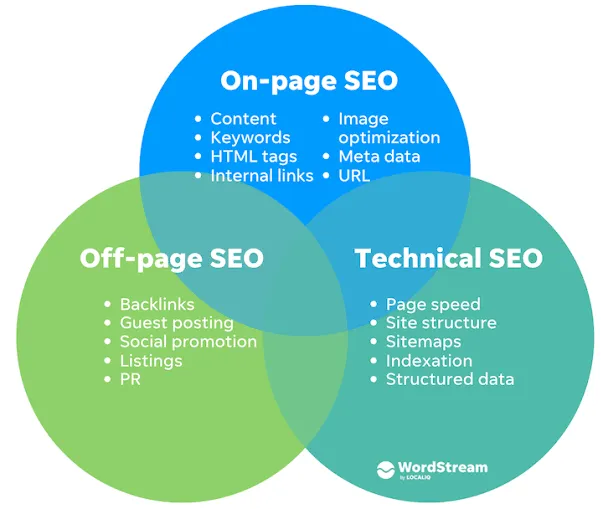

Search engine optimization is much more than publishing content or adding keywords to web pages. A website must also provide a smooth user experience, load efficiently, and allow search engines to understand and index its pages correctly. Businesses that overlook these foundational elements often struggle to improve rankings, even when producing valuable content.
This is where technical and on-page SEO fixes become an essential part of every successful digital marketing strategy. They strengthen a website's foundation, improve usability, and help search engines evaluate content accurately.
For businesses aiming to build sustainable online visibility, understanding these improvements is an important step toward long-term growth. Brands like OptixaAI recognize that combining technical excellence with quality content creates stronger search performance and better user experiences.
Understanding the Foundation of Website SEO
Search engines evaluate hundreds of ranking signals before deciding where a page should appear in search results. While high-quality content remains important, the technical health of a website also plays a major role.
A healthy website generally offers:
- Fast loading pages
- Mobile-friendly design
- Secure HTTPS connections
- Clear website architecture
- Proper internal linking
- Crawlable pages
- Optimized metadata
When these elements work together, both users and search engines can navigate the website more efficiently.
Ignoring these fundamentals often leads to indexing issues, slow performance, higher bounce rates, and missed opportunities to attract qualified visitors.
What Do Technical Improvements Include?
The technical side of SEO focuses on optimizing the infrastructure of a website rather than simply changing written content.
Some common improvements include:
Improving Website Speed
Page speed influences both user satisfaction and search rankings. Visitors expect pages to load within seconds, and delays frequently increase abandonment rates.
Performance improvements may involve:
- Compressing images
- Enabling browser caching
- Reducing unnecessary scripts
- Optimizing CSS and JavaScript
- Improving server response times
Enhancing Mobile Performance
Most searches now occur on mobile devices. A responsive website ensures that pages display correctly across smartphones, tablets, and desktops.
Mobile optimization includes:
- Flexible layouts
- Readable text
- Easy navigation
- Proper spacing between clickable elements
Fixing Crawl Errors
Search engines rely on automated crawlers to discover website pages.
Technical issues such as:
- Broken links
- Redirect loops
- Missing pages
- Incorrect canonical tags
can prevent valuable pages from being indexed correctly.
Regular technical audits help identify and resolve these problems before they impact rankings.
Why On-Page Optimization Still Matters
While technical improvements help search engines access a website, on-page optimization helps them understand the content itself.
Effective on-page optimization includes:
Optimized Page Titles
Each page should contain a unique, descriptive title that accurately reflects its content.
Helpful Meta Descriptions
Although meta descriptions are not direct ranking factors, compelling descriptions often improve click-through rates from search results.
Logical Heading Structure
Clear headings make content easier for both users and search engines to understand.
Organized headings also improve readability and accessibility.
Internal Linking
Internal links guide visitors toward related information while helping search engines discover important pages.
A strong internal linking strategy also distributes authority throughout the website.
High-Quality Content
Content should answer user questions clearly, demonstrate expertise, and provide practical value rather than focusing solely on keywords.
Search engines increasingly reward content that satisfies user intent.
Common Website Problems That Affect Rankings
Many websites unknowingly suffer from technical issues that reduce visibility.
Examples include:
- Duplicate content
- Missing title tags
- Thin pages with little information
- Slow page speed
- Broken internal links
- Incorrect redirects
- Poor mobile usability
- Large uncompressed images
- Missing alt text
- Crawlability issues
Addressing these problems through technical and on-page SEO fixes can improve overall website performance while supporting future content marketing efforts.
Rather than treating SEO as a one-time project, successful businesses view optimization as an ongoing maintenance process.
Building Trust Through EEAT Principles
Modern SEO extends beyond technical optimization. Google encourages websites to demonstrate Experience, Expertise, Authoritativeness, and Trustworthiness (EEAT).
Businesses can strengthen these signals by:
- Publishing accurate and well-researched information
- Clearly identifying authors where appropriate
- Keeping content updated
- Providing transparent business information
- Maintaining secure website connections
- Earning reputable backlinks naturally
- Offering a positive user experience
These practices help establish credibility while improving long-term search visibility.
Organizations that consistently demonstrate expertise are more likely to build trust with both users and search engines.
The Benefits of Regular SEO Audits
Even well-performing websites require periodic reviews.
Search engine algorithms continue evolving, and websites change over time through new content, design updates, and software changes.
Routine SEO audits help identify:
- Emerging technical issues
- Performance bottlenecks
- Indexing problems
- Content gaps
- User experience improvements
- Broken links
- Outdated metadata
Implementing technical and on-page SEO fixes after regular audits helps maintain strong website performance while preventing small issues from becoming major ranking obstacles.
Businesses that monitor their websites consistently often adapt more effectively to algorithm updates.
Choosing a Long-Term SEO Strategy
Quick SEO shortcuts rarely produce lasting success. Sustainable growth comes from creating useful content supported by a technically sound website.
An effective long-term strategy should include:
- Regular technical maintenance
- User-focused content creation
- Continuous keyword research
- Internal linking improvements
- Performance monitoring
- Mobile optimization
- Security updates
- Analytics-based decision making
Brands such as OptixaAI understand that SEO is most successful when technical optimization, content quality, and user experience work together as part of a comprehensive strategy.
Investing in technical and on-page SEO fixes alongside valuable content creates stronger foundations for organic growth and long-term online visibility.
Conclusion
Achieving sustainable search engine success requires much more than publishing articles or targeting popular keywords. A website must perform efficiently, provide valuable information, and remain easy for search engines to crawl and understand.
Businesses that prioritize technical and on-page SEO fixes position themselves for stronger rankings, improved user experiences, and consistent organic growth over time. Combined with trustworthy content and ongoing optimization, these improvements help create a website that serves both visitors and search engines effectively.
Whether launching a new website or improving an existing one, building a strong technical foundation remains one of the smartest investments any business can make. With the right strategy and ongoing attention to quality, brands like OptixaAI can continue developing websites that support long-term digital success.
Brand Name: OptixaAI
Website: https://optixaai.pro























Sign in to leave a comment.