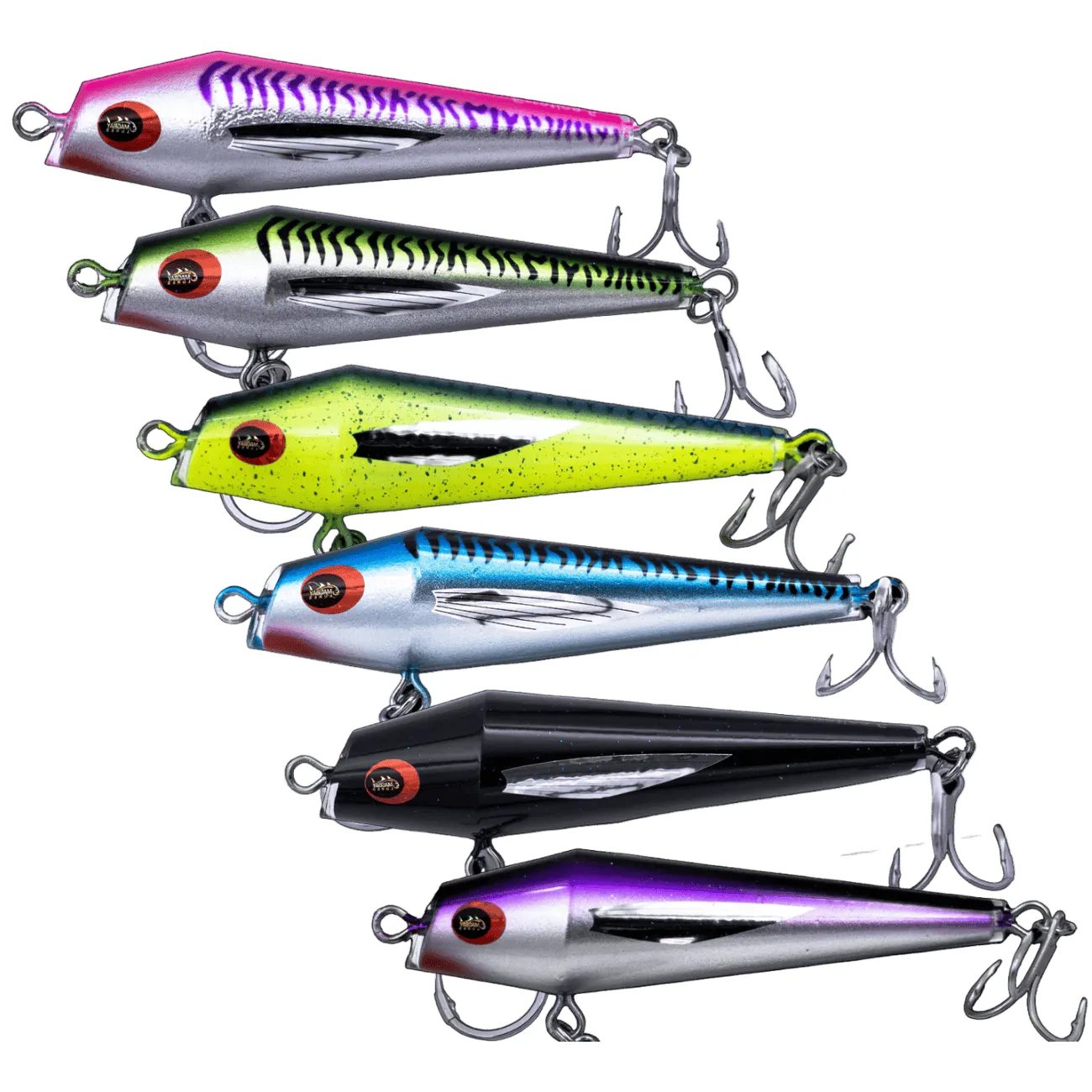

The Excitement of Tuna Fishing
Tuna fishing gives anglers a mix of excitement patience and skill. These fast powerful fish are known for testing strength and endurance on the open water. One of the biggest factors that can improve success during a fishing trip is choosing the right tuna lures. Good lures help attract fish from a distance and create movement that triggers a strike. Whether fishing near the coast or offshore the correct lure can make a major difference.
Understanding How Tuna Lures Work
Tuna rely heavily on sight speed and movement while hunting prey. Tuna lures are designed to imitate the natural motion of baitfish swimming through the water. Flash bright colors and realistic actions help get the attention of hungry fish. Some lures move quickly across the surface while others dive deeper below the water. Each style has a purpose depending on weather water depth and feeding activity.
Experienced anglers often carry different lure sizes and colors because tuna behavior can change throughout the day. Matching the lure to local baitfish conditions can increase the chances of attracting larger catches.
Choosing the Right Colors for Better Results
Color plays a huge role when selecting tuna lures. Bright colors are often effective in sunny conditions because they stand out clearly underwater. Blue silver green and pink shades are common choices because they resemble natural baitfish. Darker colors can work better during cloudy weather or in deeper waters where visibility is lower.
Water clarity also affects lure performance. Clear water usually allows more natural looking lures to succeed while murky water may require brighter colors for visibility. Anglers who experiment with several colors during a trip often discover which patterns attract the most strikes.
Surface Lures for Aggressive Tuna
Surface lures are popular because they create splash and action that grab attention quickly. These lures move across the top of the water and imitate injured baitfish trying to escape predators. Tuna often attack surface lures aggressively making the experience thrilling for anglers.
Poppers and floating plugs are common surface options. They create noise movement and water disturbance that can attract fish from far away. Surface fishing is especially exciting because anglers can watch the strike happen in real time.
Deep Running Lures for Offshore Success
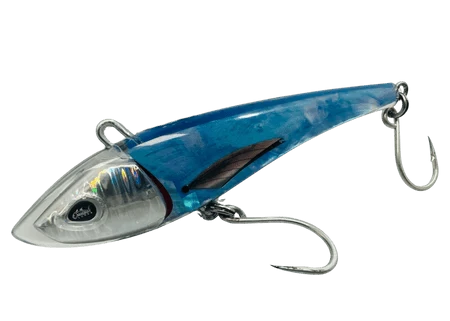
Sometimes tuna feed deeper below the surface especially during warmer conditions or bright sunlight. Deep running tuna lures are designed to reach those lower feeding zones. These lures dive into the water while trolling and maintain realistic swimming action at different depths.
Deep lures are useful during offshore fishing trips where larger tuna may stay below schools of baitfish. Using a combination of surface and deep lures can help cover more water and increase the chances of finding active fish.
The Importance of Trolling Speed
Trolling speed is another important part of successful lure fishing. Tuna are fast swimmers so lure movement must appear natural. Moving too slowly may fail to attract attention while excessive speed can create unrealistic action.
Most anglers adjust speed based on water conditions lure type and fish activity. Testing different speeds during the trip often helps determine what tuna prefer that day. Smooth steady movement usually produces the best lure action.
Durability Matters in Big Game Fishing
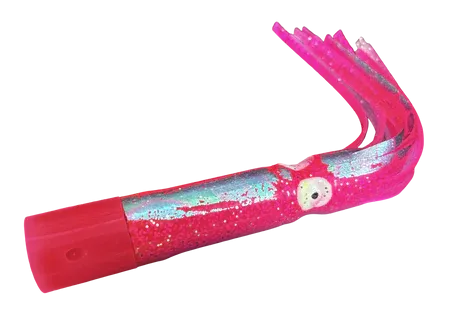
Tuna are among the strongest fish in the ocean. Weak hooks or poor quality materials may fail during a fight. Durable tuna lures are built to handle strong strikes sharp teeth and long battles. Heavy duty hooks strong rings and quality skirts all help improve performance.
Reliable equipment gives anglers confidence when targeting large fish. Investing in well made lures may save frustration and increase success during challenging offshore trips.
Weather Conditions Affect Lure Performance
Weather and sea conditions can influence which tuna lures work best. Calm water often allows smaller and more natural looking lures to perform well. Rough water may require larger lures with more vibration and movement to stay visible.
Wind cloud cover and ocean temperature can also affect tuna feeding patterns. Skilled anglers observe changing conditions carefully and adjust lure choices throughout the day. Flexibility often leads to better results on the water.
Building a Balanced Lure Collection
A good lure collection includes a variety of shapes colors and sizes. Having several options allows anglers to adapt quickly when fish behavior changes. Small lures may work during baitfish feeding frenzies while larger lures can target trophy size tuna.
Organizing lures properly also helps save time during fishing trips. Keeping gear clean dry and ready for use ensures smoother preparation and less stress while offshore.
Why Experience Helps With Lure Selection
Experience teaches anglers how tuna respond under different conditions. Over time fishermen learn which tuna lures perform best in specific locations seasons and water temperatures. Watching fish behavior studying local baitfish and learning from previous trips all improve decision making.
Even beginners can gain confidence by testing different lure styles and observing results. Every fishing trip provides valuable lessons that help improve future success.
The Reward of Using the Right Tuna Lures
Using the right tuna lures adds excitement and strategy to every offshore adventure. These lures help imitate natural prey attract aggressive strikes and improve the chances of landing powerful fish. From colorful surface lures to deep diving options each style offers unique advantages depending on the conditions.
Successful tuna fishing often comes from preparation patience and understanding fish behavior. With the right lure selection anglers can enjoy unforgettable moments on the water while chasing one of the ocean’s most respected game fish.



























Sign in to leave a comment.