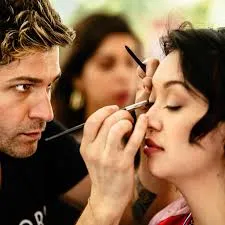

If you stand near the main stage at any large beauty exhibition long enough, you start noticing a pattern.
People don’t just walk past the live demos anymore. They stop. They stay. They record entire sessions on their phones. Some squeeze closer to see how the base is sitting under the lights. Others quietly discuss techniques with the person next to them like they’re analysing a performance.
And honestly, that reaction says a lot about where the beauty industry is right now.
Because makeup live demos are no longer functioning as filler content between product launches. They’ve become one of the few spaces where professionals feel like they’re learning something real in real time.
At events like HBS India, that shift is becoming more obvious every year.
Watching Technique Live Feels Different From Watching It Online
There’s no shortage of makeup content online. Tutorials are everywhere. So are reels, masterclasses, and product breakdowns.
But live demos still pull crowds in a way digital content doesn’t.
Part of it is unpredictability.
When a makeup artist works live, there’s no editing to hide behind. Skin reacts differently. Lighting changes things. Products don’t always behave perfectly. Adjustments happen in front of the audience instead of being cut out afterward.
That’s what makes makeup live demos valuable. You get to see the decision-making, not just the final result.
And for professionals, that matters more than perfectly polished content ever will.
The Audience Has Changed Too
Beauty exhibition audiences are very different from what they were even five or six years ago.
Earlier, many attendees came mainly to source products or explore distributor networks. Now, people arrive with far more awareness. They already know what’s trending online. They’ve seen the launches before entering the venue.
So naturally, exhibitions have had to offer something deeper.
That’s one reason curated makeup live demos are becoming central to the experience. Professionals want interpretation now, not just information.
They want to understand:
- Why certain textures work better on Indian skin
- How artists adapt makeup under harsh exhibition lighting
- What techniques actually survive heat and humidity
- Why some trends look beautiful online but fail in real salon environments
Those are the conversations keeping audiences engaged today.
Beauty Exhibitions Are Becoming More Educational
One thing that becomes very clear at platforms like HBS India is that beauty exhibitions are slowly turning into learning environments.
Not formal classrooms. Something more practical than that.
A good live demo today feels less like a performance and more like listening in on an experienced professional thinking out loud while they work.
The best artists don’t just explain products. They explain judgment:
- Why they stopped layering at a certain point
- Why they changed the skin prep halfway through
- Why they ignored a trend that wouldn’t suit the model
That kind of insight rarely comes through in heavily edited content online.
And honestly, it’s probably why audiences trust makeup live demos more than traditional marketing now.
Curated Demos Feel More Meaningful Than Generic Stage Shows
Another noticeable shift is that exhibitions are becoming more selective about what happens on stage.
Earlier, many demos felt repetitive, similar bridal looks, predictable transformations, rushed product showcases.
Now, exhibitions are investing in experiences that feel more intentional.
You’ll see sessions built around:
- Editorial-inspired skin finishes
- Modern Indian bridal reinterpretations
- Scalp-first beauty preparation
- Minimal makeup approaches for real-world wearability
This makes makeup live demos feel less transactional and more editorial. More thoughtful.
And audiences respond to that immediately.
Live Demos Create a Different Kind of Energy
There’s also something difficult to replicate digitally: atmosphere.
The crowd reacting together. The artist improvising mid-session. Someone in the audience asking a question that changes the direction of the conversation.
These moments make live demos feel human in a way online beauty content often doesn’t.
That human element is part of why beauty exhibitions continue investing so heavily in them.
Because despite how digital the industry has become, beauty is still experienced physically. People still want to observe texture closely. They still want to see movement, blending, correction, and transformation happen in front of them.
Beauty Trends Often Start Here First
Interestingly, many techniques that later become salon trends often appear inside exhibitions first.
Professionals attend makeup live demos, absorb certain approaches quietly, adapt them for clients, and eventually those methods become part of mainstream salon culture.
Not overnight. But gradually.
That’s why these stages matter more than they seem to on the surface. They’re not just showcasing beauty trends, they’re helping shape them.
Conclusion
The growing importance of makeup live demos says a lot about how beauty exhibitions themselves are changing. People are no longer attending only to see products or celebrity appearances. They want interpretation, technical understanding, and experiences that feel genuine rather than overly produced. At platforms like HBS India, live demos are becoming spaces where artistry, education, and industry conversation overlap naturally. And perhaps that’s why audiences continue gravitating toward them, because in an industry filled with polished visuals and filtered content, watching real technique unfold live still feels surprisingly valuable.













Sign in to leave a comment.