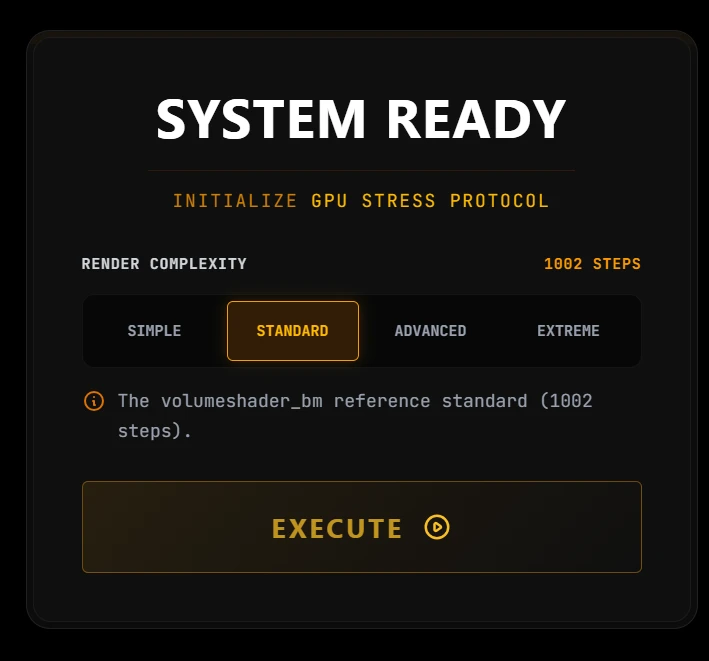

The rise of lightweight tools like BM Test (GPU Benchmark) shows how quickly performance testing is moving from heavy software installs to simple browser experiences. Today, users want fast, accessible ways to measure GPU power without downloading large applications or configuring complex environments.
In the past, benchmarking required installing dedicated software, adjusting system settings, and often dealing with compatibility issues. Modern browser benchmarks remove these barriers by running advanced graphics workloads directly inside your browser using WebGL and GPU acceleration. This makes testing faster, easier, and more consistent across devices.
One of the biggest advantages of browser-based GPU testing is convenience. Anyone can run a quick test in seconds, whether they’re using a gaming PC, laptop, or even a work machine. This accessibility helps gamers, developers, and tech enthusiasts compare performance, check thermal behavior, and monitor system stability without technical friction.
Another benefit is real-world testing. Browser GPU benchmarks often use shader-heavy workloads and rendering tasks similar to what modern apps and games rely on. This makes the results more practical for everyday users who want to know how their system performs in realistic scenarios.
As web technology continues to evolve, browser benchmarks are likely to become a standard tool for quick diagnostics and performance comparisons. They bridge the gap between casual users and advanced hardware testing, making performance insights available to everyone.









Sign in to leave a comment.