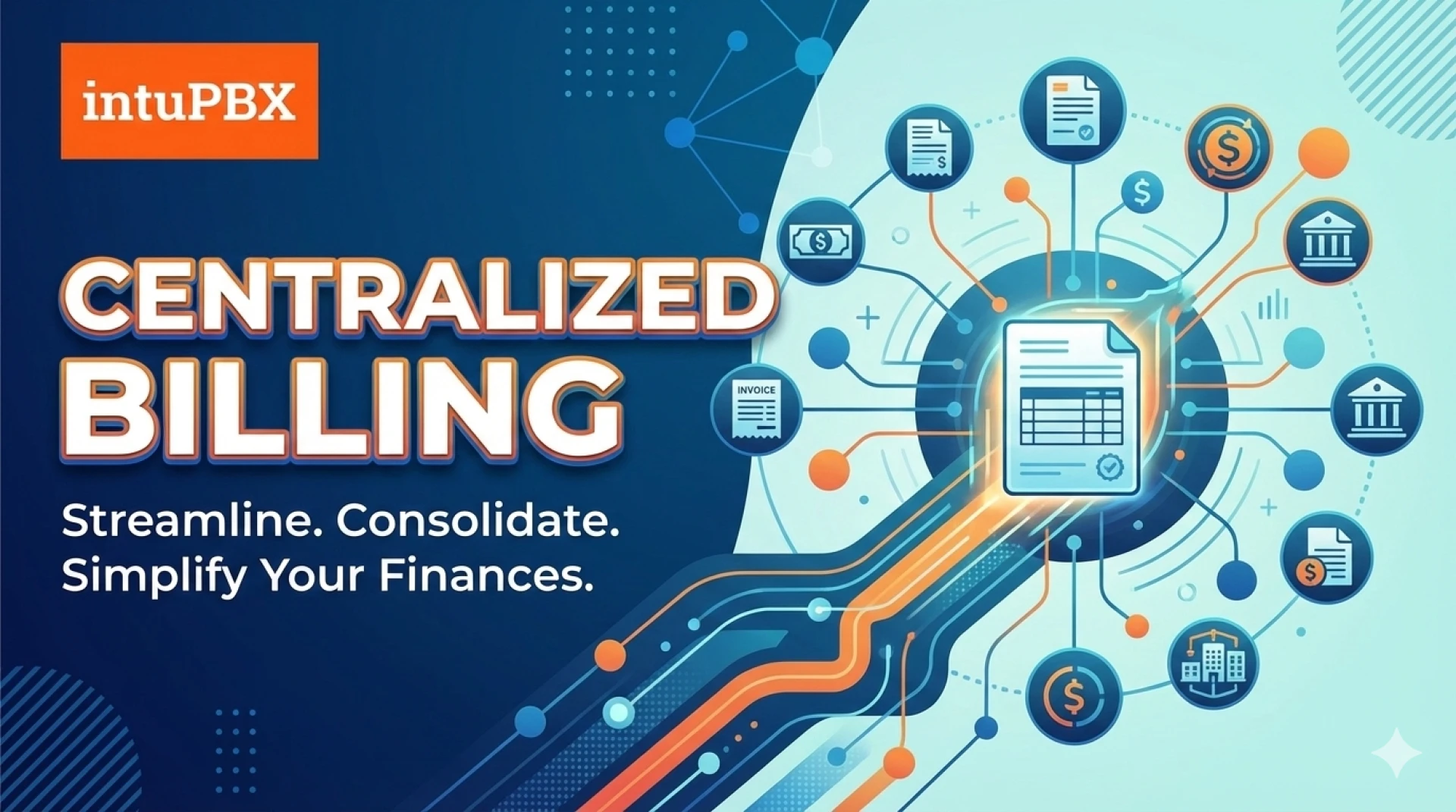
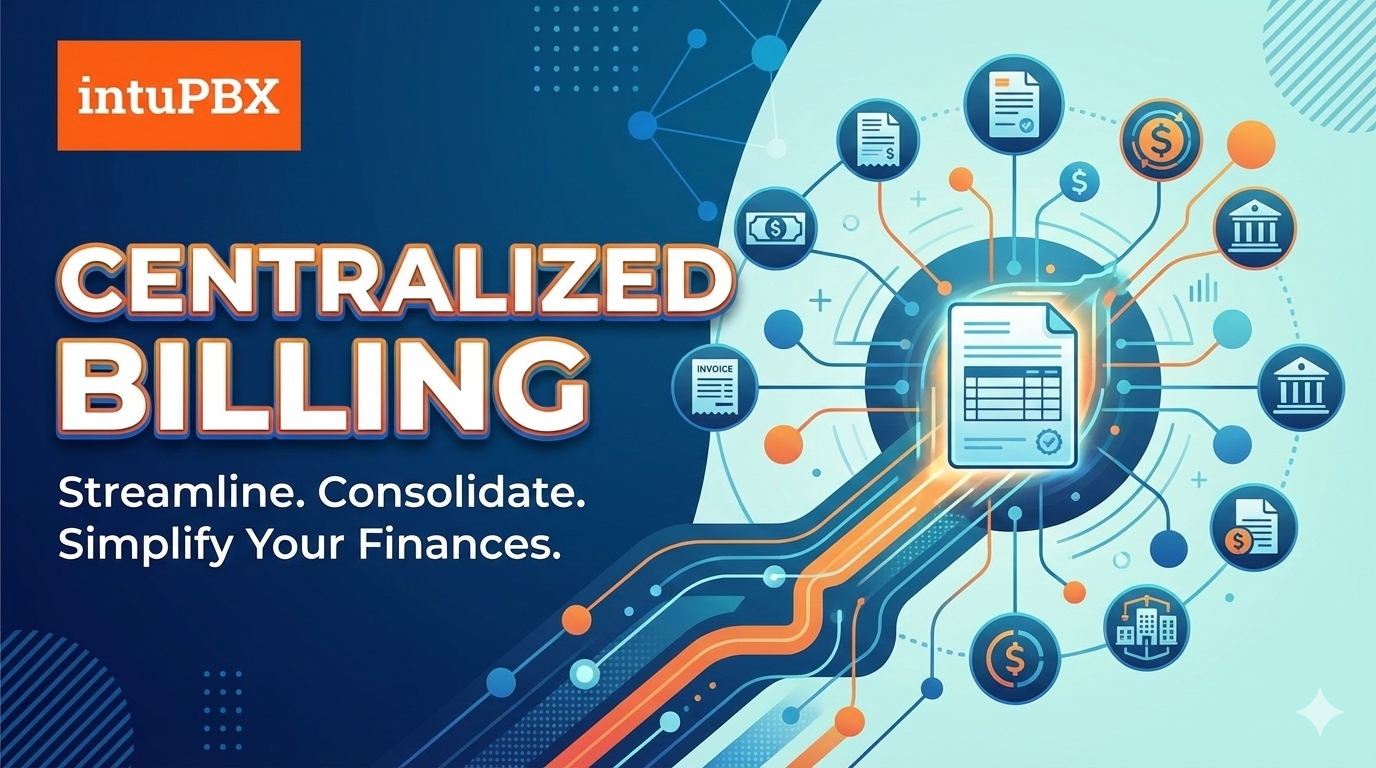
As companies grow and add more customers, billing can quickly become the weakest link in an otherwise solid service. Managing separate invoices, tracking usage across tenants, and reconciling payments eats time and increases errors. Centralized Billing fixes that by giving you a single place to run all billing operations, keeping finance accurate and customers happier.
What is Centralized Billing?
Centralized Billing means consolidating invoicing, payment processing, usage tracking, and reporting into one unified system that serves every tenant. Instead of separate spreadsheets, manual invoices, or multiple billing tools, one platform becomes the single source of truth for revenue and charges. For multi-tenant environments this reduces duplication, enforces consistency, and makes audits far easier.
Why multi-tenant platforms need centralized billing
Multi-tenant platforms must handle diverse pricing plans, metered usage, and different payment terms for each tenant. Without a unified billing system you face several risks:
- Incorrect charges when usage is calculated in different places
- Confusion when tenants receive inconsistent invoices
- Slow revenue recognition caused by manual reconciliation
Platforms such as SaaS providers, managed service providers, and hosted telecom operators all benefit from a single billing engine that keeps financial data aligned with service usage. A proper Centralized Billing system becomes a backbone for growth and trust.
Key benefits of Centralized Billing for multi-tenant platforms
Centralized Billing delivers direct operational and strategic advantages. The most important benefits include:
- Single dashboard for finance: one view to manage invoices, payments, credits, and disputes.
- Fewer billing errors: automated calculations reduce human mistakes and disputes.
- Faster invoicing and collections: automated cycles cut the time between usage and revenue realization.
- Consistent customer experience: tenants receive clear, familiar invoices and statements.
- Better financial visibility: unified reporting supports forecasting and compliance.
Practical gains you will notice day to day: time savings for billing teams, improved cash flow, and a simpler audit trail. These benefits free operations to focus on service quality and growth rather than firefighting finance issues.
Common billing problems without centralization
If billing is spread across tools or managed manually, these problems are common:
- Duplicate or inconsistent invoices are sent to tenants
- Manual spreadsheets that are error-prone and hard to reconcile
- Delayed payments because invoices are slow to generate or unclear
- Difficulty scaling billing processes as tenant count rises
- Poor visibility for finance leaders trying to forecast revenue
These problems slow growth and damage customer trust. Centralized Billing prevents them by automating the routine and providing consistent controls.
How Centralized Billing Supports Business Growth
A centralized approach gives your platform the flexibility to scale and innovate:
- Onboard new tenants quickly with preconfigured plans
- Offer tiered pricing, add-ons, or usage-based charges without complex setup
- Launch promotions, trials, or bundled packages with predictable accounting impact
- Produce accurate forecasts and cash flow projections from one data source
For companies looking for an out-of-the-box multi tenant ip pbx solution, a solid billing layer is what converts technical capability into repeatable revenue.
Why IntuPBX is a strong choice for centralized billing
IntuPBX was built with multi-tenant operations in mind, so billing is not an afterthought. It tightly couples service usage with invoicing and provides automation where teams normally get bogged down. Key reasons to consider IntuPBX:
- Tenant-level usage tracking that maps directly to invoices for high accuracy
- Automated invoice generation and delivery to reduce manual effort
- Flexible pricing models, including subscriptions, metered billing, and hybrid plans
- Role-based access so finance and operations teams see only what they need
- Native integrations to payment processors and accounting tools to streamline reconciliation
Because IntuPBX integrates billing into the core product, operators avoid patching together multiple systems and reduce the operational overhead that comes with that approach.
Key billing features in IntuPBX
IntuPBX includes a feature set aimed at simplifying multi-tenant billing:
- Centralized billing dashboard for quick monitoring of invoices and collections
- Per-tenant usage and rate configuration for precise charge calculation
- Customizable billing cycles and tax handling to match local requirements
- Audit logs and exportable reports to support compliance and accounting workflows
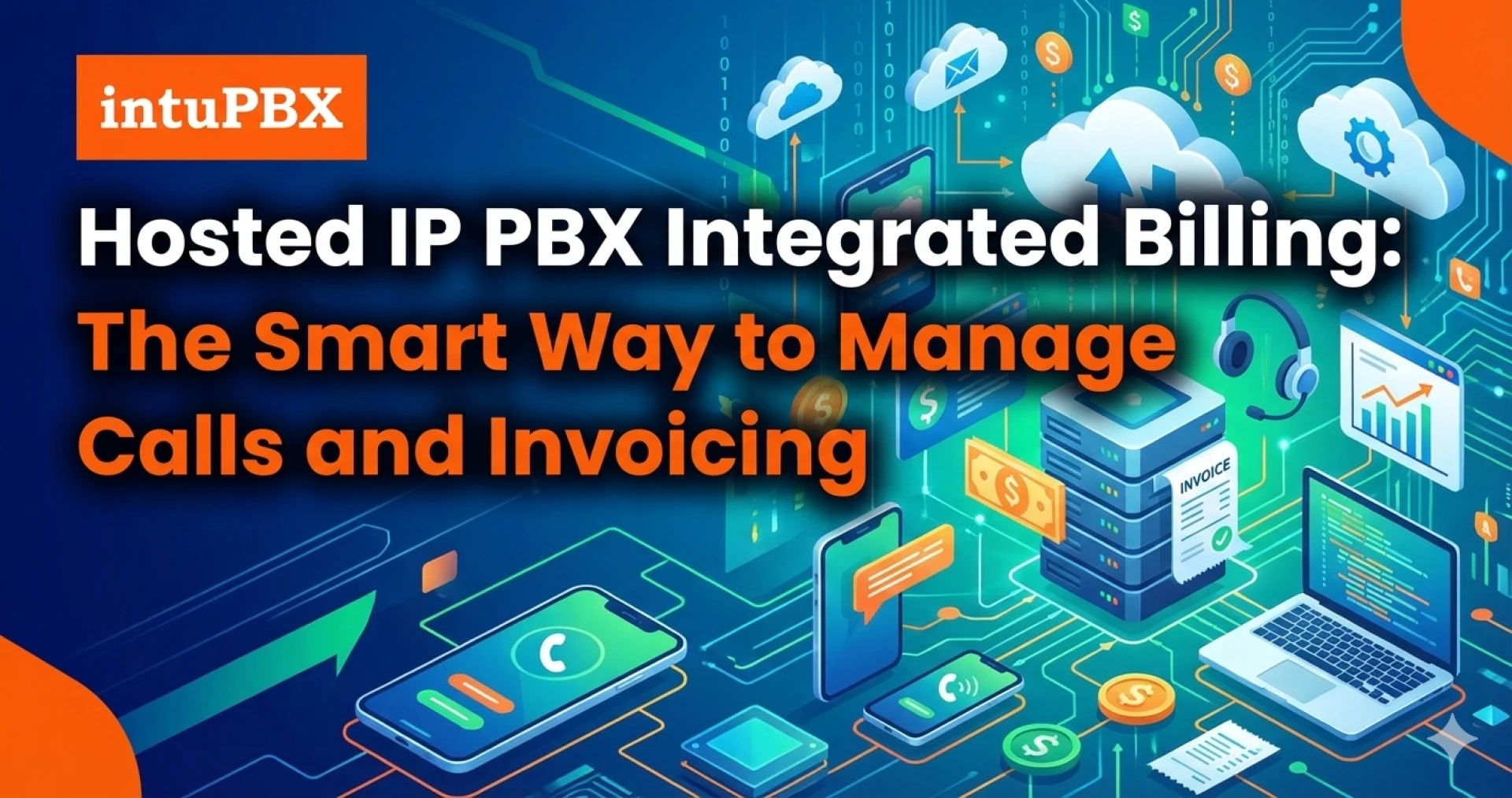
- Integration-ready design that plays well with a hosted ip pbx integrated billing model and existing finance systems
These features make it possible to manage thousands of tenants while keeping finance predictable and transparent.
Real-world benefits of using IntuPBX for billing
Operators who move to a centralized model with IntuPBX typically see measurable results:
- Faster time to invoice and collect revenue
- Fewer billing disputes thanks to clear and consistent statements
- Lower overhead for billing teams because of automation and integration
- A better experience for tenants who receive unified, accurate invoices
These benefits translate into better cash flow and happier customers, giving your platform a competitive edge.
Centralized Billing as a Competitive Advantage
Centralized Billing is no longer a nice-to-have for multi-tenant platforms. It is a core capability that reduces errors, speeds collections, and supports growth. IntuPBX ties billing directly to service usage and tenant management, delivering a streamlined approach that fits both technical teams and finance staff. If you run a pbx multi-tenant environment or are designing your pbx architecture, investing in a centralized billing system like the one IntuPBX offers will pay off in operational efficiency and customer trust.







Sign in to leave a comment.