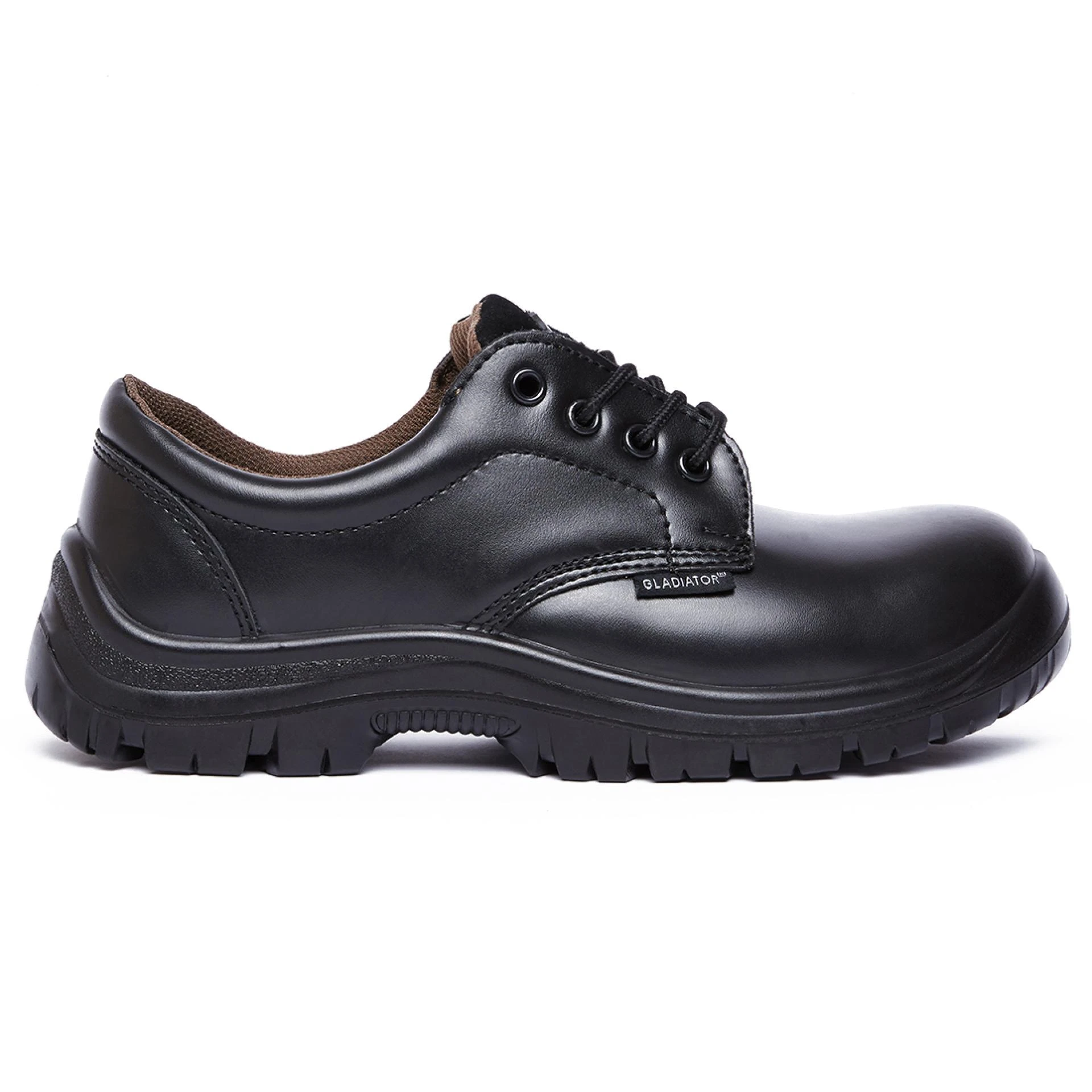

When it comes to workplace safety, the importance of proper footwear cannot be overstated. Safety shoes are essential for workers in industries like construction, manufacturing, and warehousing. While traditional steel-toe boots have long been a go-to option, metal-free safety shoes are increasingly gaining popularity. But what makes these shoes an excellent choice for workers? In this guide, we’ll explore the benefits of metal-free safety shoes and why they might be the ideal option for your workplace.
1. What Are Metal-Free Safety Shoes?
Metal-free safety shoes are designed to provide the same level of protection as traditional steel-toe boots but without using any metal components. Instead of steel, they feature composite materials such as fibreglass, Kevlar, or carbon fibre for the protective toe cap. Other non-metallic components, like plastic eyelets and zippers, are also incorporated to ensure the shoes are entirely metal-free.
2. Benefits of Metal-Free Safety Shoes
a) Lightweight and Comfortable
One of the most significant advantages of Metal-free Safety Shoes is their lightweight design. Composite materials are significantly lighter than steel, reducing the strain on workers' feet during long shifts. This added comfort can lead to improved productivity and reduced fatigue, particularly for workers who are on their feet all day.
b) Airport-Friendly
Metal-free safety shoes are a game-changer for workers who frequently pass through metal detectors, such as airport staff or security personnel. Since they are completely free of metal, they won’t trigger alarms at security checkpoints, allowing for smoother and faster transitions.
c) Superior Thermal Insulation
Composite toe caps in metal-free safety shoes offer better thermal insulation compared to steel. This makes them ideal for workers exposed to extreme temperatures, whether in cold storage facilities or outdoor environments with high heat.
d) Electrical Hazard Protection
Safety shoes made without metal prevent dangerous electrical harm better than metal-containing shoes do. Because they do not contain metal pieces these shoes help electrician employees and industry workers stay safe around electric tools.
e) Non-Magnetic Properties
Safety shoes with no metal parts help workers prevent damage to sensitive electronic systems at MRI rooms and hi-tech labs.
3. Durability and Performance
Many people believe that metal-free safety shoes lack the strength of steel-toe footwear. Technology progress enables composite materials to match steel strength while resisting impacts. Metal-free safety shoes follow international safety standards to protect workers reliably in dangerous work settings.
Additionally, these shoes are resistant to corrosion, which can be a concern for metal components in wet or humid conditions.
4. Are Metal-Free Safety Shoes Right for You?
Your choice should depend on your job’s exact safety needs when comparing metal-free safety shoes with other options. Base your selection only on what your workplace requires in terms of protective impact features, electric hazard resistance and heat preservation.
5. Tips for Choosing the Right Pair
- Check Safety Standards: Make sure your shoes meet safety certification from ASTM or EN ISO worldwide.
- Evaluate Comfort Features: Choose shoes that include special cushioned insoles and breathable fabric to make your day more comfortable at work.
- Consider Workplace Hazards: Choose footwear that helps protect you from workplace threats especially electrical hazards and powerful impacts.
Conclusion
Metal-free safety shoes today replace heavy steel-toed boots because they are both lightweight and provide protection against electrical threats. These shoes keep you safe at work in any field from building to healthcare and aviation while staying just as functional and long-lasting.
Buying proper safety footwear helps protect your health while making you work better. Getting metal-free safety footwear helps you work safely while feeling better.










Sign in to leave a comment.