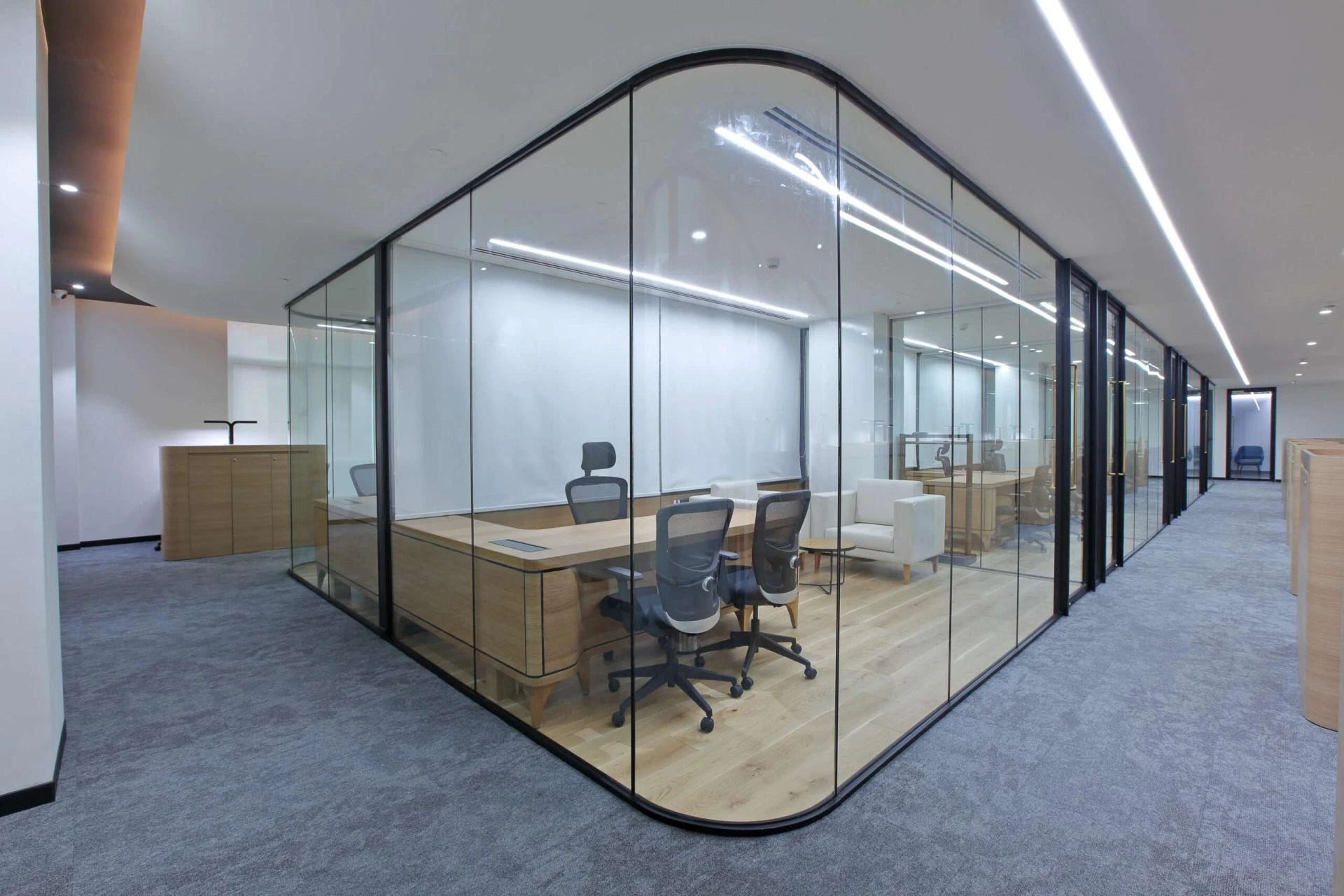

A workplace today represents far more than desks and meeting rooms. It reflects how a company thinks, what it prioritises, and the values it wishes to project in a competitive market. As clients, future hires, and partners become more conscious of environmental responsibility, the spaces in which businesses operate are beginning to shape brand perception in meaningful ways. Selecting a sustainable office space communicates clarity, maturity, and an intent to operate responsibly while supporting long-term organisational wellbeing.
A recent industry report highlighted that over 74% of office leasing in India’s major cities during early 2025 involved green-certified buildings. This strong demand shows how sustainability has become a defining factor in workspace planning, influencing everything from daily operations to brand evaluation.
Sustainability As a Brand Choice
A Strong Signal of Responsibility
When a company chooses a green-conscious workplace, it sends a clear message about its priorities. Stakeholders see such choices as deliberate acts of responsibility. It indicates that the business acknowledges its environmental impact and is prepared to take meaningful steps to reduce it. This contributes to a more credible and trustworthy brand image.
Efficiency That Supports Stability
A sustainable building often relies on design that encourages efficient resource use, such as intelligent lighting, improved air circulation, water-saving systems, and material choices that support energy conservation. These features help organisations operate more steadily and predictably. Stable operations allow companies to focus on core goals rather than constantly reacting to fluctuating overheads. As a result, the brand appears more grounded and well-managed.
A Workplace Built Around People
Employee well-being is increasingly central to business success. Green buildings often support higher indoor air quality, better ventilation, access to natural light, and layouts that encourage comfort. These factors can increase employee satisfaction and productivity, making the workplace feel more supportive. A company that invests in such an environment shows respect for its people and their experience at work. This approach enhances internal culture and strengthens the brand’s reputation externally.
Better Alignment With ESG Expectations
Modern organisations are evaluated through ESG standards that reflect environmental responsibility, social practices, and governance clarity. Sustainable workspaces naturally support environmental metrics, enabling businesses to align with reporting frameworks more easily. This alignment strengthens the brand’s image among potential investors, customers, and partners who are increasingly attentive to ESG maturity.
How Cities and Businesses Are Adapting?
Across leading urban centres such as Bengaluru, Hyderabad, Gurugram, and Kolkata, companies are assessing how their workplace choices impact both performance and perception. Businesses today no longer look at an office simply as a place to work; they view it as a strategic asset that influences hiring, retention, operational efficiency, and brand value.
It is within these evolving cities, such as Kolkata, that developments like ICP Atria Green have attracted attention. Planned by Indian City Properties, the building reflects a design philosophy that integrates sustainability into every stage of development. Its IGBC Green Building Platinum certification demonstrates its high level of environmental performance. For firms seeking a premium office space for rent in Kolkata, the property offers a modern yet responsible environment that helps organisations grow without compromising their environmental principles.
At the same time, many businesses evaluating expansion or relocation also look for commercial property for rent that supports long-term operational efficiency. Buildings designed with sustainability at the core give these companies a better foundation for managing resources, reducing overheads, and aligning with the values they aim to project.
Why Sustainable Choices Influence Brand Perception?
A sustainable workplace influences brand perception in several subtle yet powerful ways:
- It shows awareness of global and local environmental priorities.
- It presents the company as future-facing, willing to prepare for the expectations of tomorrow rather than reacting to them after the fact.
- It suggests consistency in the organisation’s values and actions, building confidence among stakeholders.
- It strengthens internal belief, as employees often feel more motivated when their organisation makes responsible choices.
Every interaction a business has, whether with a client, a partner, or a potential hire, carries elements of what the brand represents. A sustainable workspace adds a layer of meaning to this representation by reflecting careful decision-making, thoughtful planning, and sensitivity to the environment.
The Quiet Strength of Responsible Workspaces
A sustainable workplace influences brand perception in several important ways. It shows awareness of environmental priorities, presents the organisation as prepared for future expectations, and suggests consistency in values and actions. Employees often feel more motivated when they work in an environment that reflects care and responsibility. At the same time, clients and partners view such decisions as indicators of credibility and forward-thinking management.
Selecting a green-focused workspace, especially when choosing a commercial property for rent, strengthens trust and conveys a thoughtful approach to business. It becomes an integral part of the organisation’s identity, reflecting accountability, long-term thinking, and a commitment to doing things responsibly. Over time, these choices help build a reputation for professionalism, conscientious decision-making, and attention to both people and the environment.




























Sign in to leave a comment.