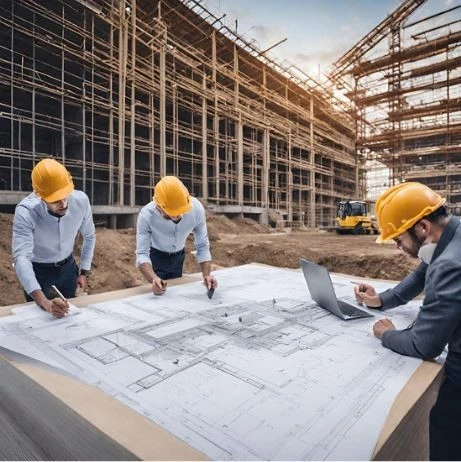

Construction projects, whether large or small, are intricate undertakings that require careful planning, execution, and monitoring. From residential buildings to commercial complexes, the path to a successful construction project involves many moving parts. This is where construction management becomes essential. It serves as the backbone of any project, ensuring that all pieces come together seamlessly to deliver a structure that meets the client’s vision, stays within budget, and adheres to the timeline.
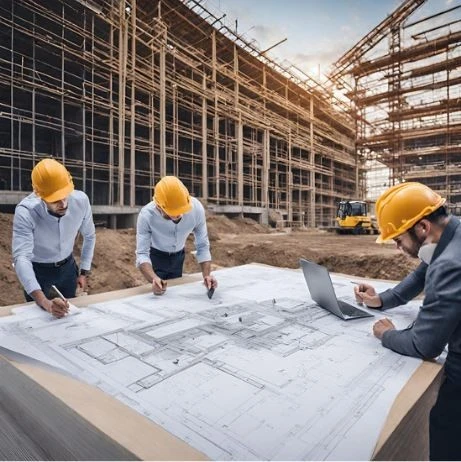
What Is Construction Management?
Construction management is the process of planning, coordinating, and overseeing a construction project from start to finish. It involves managing people, resources, timelines, and budgets to ensure everything is on track. A skilled construction management team acts as the glue that holds all aspects of a project together, from the initial design phase to the final handover.
The role of construction management is not limited to managing schedules and budgets. It also includes risk assessment, quality control, and ensuring compliance with safety regulations and building codes. The ultimate goal is to deliver a project that meets or exceeds expectations.
The Key Pillars of Construction Management
1. Planning and Scheduling
Effective planning is the foundation of every construction project. Before any work begins, a detailed roadmap is created that outlines the scope, timeline, and resources required. This ensures that everyone involved in the project has a clear understanding of their responsibilities.
Construction management professionals use advanced tools and software to create schedules, allocate resources, and track progress. By doing so, they ensure that the project remains on track and that any potential delays are identified and addressed early.
2. Budget Management
Construction projects often involve significant financial investments. A well-managed budget ensures that costs do not spiral out of control. Construction managers meticulously track expenses, negotiate with vendors, and optimize resource allocation to keep the project within the allocated budget.
Unforeseen costs can arise during any project, but experienced construction managers anticipate these challenges and build contingencies into the budget. This proactive approach minimizes financial risks and ensures a smooth construction process.
3. Risk Management
Every construction project comes with its own set of risks, ranging from weather delays to supply chain disruptions. Construction managers are trained to identify potential risks and develop strategies to mitigate them. By addressing issues before they escalate, they safeguard the project’s timeline, budget, and quality.
4. Quality Assurance
Quality is a non-negotiable aspect of any construction project. Construction managers work closely with contractors, architects, and engineers to ensure that every phase of the project meets established quality standards. Regular inspections and reviews are conducted to identify and rectify any discrepancies.
Delivering a high-quality build not only satisfies the client but also enhances the reputation of everyone involved in the project.
5. Effective Communication
Construction projects involve multiple stakeholders, including clients, contractors, architects, and suppliers. Clear and consistent communication is essential to keep everyone aligned. Construction managers act as the central point of contact, ensuring that information flows smoothly and that any issues are resolved quickly.
The Benefits of Professional Construction Management
Professional construction management offers several advantages, including:
- Improved Efficiency: By streamlining processes and ensuring proper coordination, construction management saves time and resources.
- Cost Savings: Effective budget management and resource optimization reduce unnecessary expenses.
- Enhanced Safety: Compliance with safety regulations minimizes risks to workers and ensures a secure work environment.
- High-Quality Results: A focus on quality assurance ensures that the final build meets or exceeds expectations.
Why Construction Management Matters
Imagine a construction project without proper management. Teams would struggle with miscommunication, deadlines would be missed, and costs would quickly spiral out of control. Construction management ensures that every aspect of a project is carefully monitored and executed. It’s the backbone that holds everything together, enabling smooth operations and successful outcomes.
For clients, having a reliable construction management team provides peace of mind. They can trust that their project is in capable hands and that it will be delivered on time and within budget. For contractors and workers, it provides clear direction and a well-structured work environment.
Conclusion
In the world of construction, success doesn’t happen by chance. It’s the result of meticulous planning, effective coordination, and expert execution. Construction management plays a vital role in ensuring that projects are completed efficiently, safely, and to the highest standards.
When you’re looking for a reliable partner for your next construction project, SDCAP.com is the construction management company you can trust to bring your vision to life. With expertise, dedication, and a commitment to excellence, they ensure that every project is a success from start to finish.





























Sign in to leave a comment.