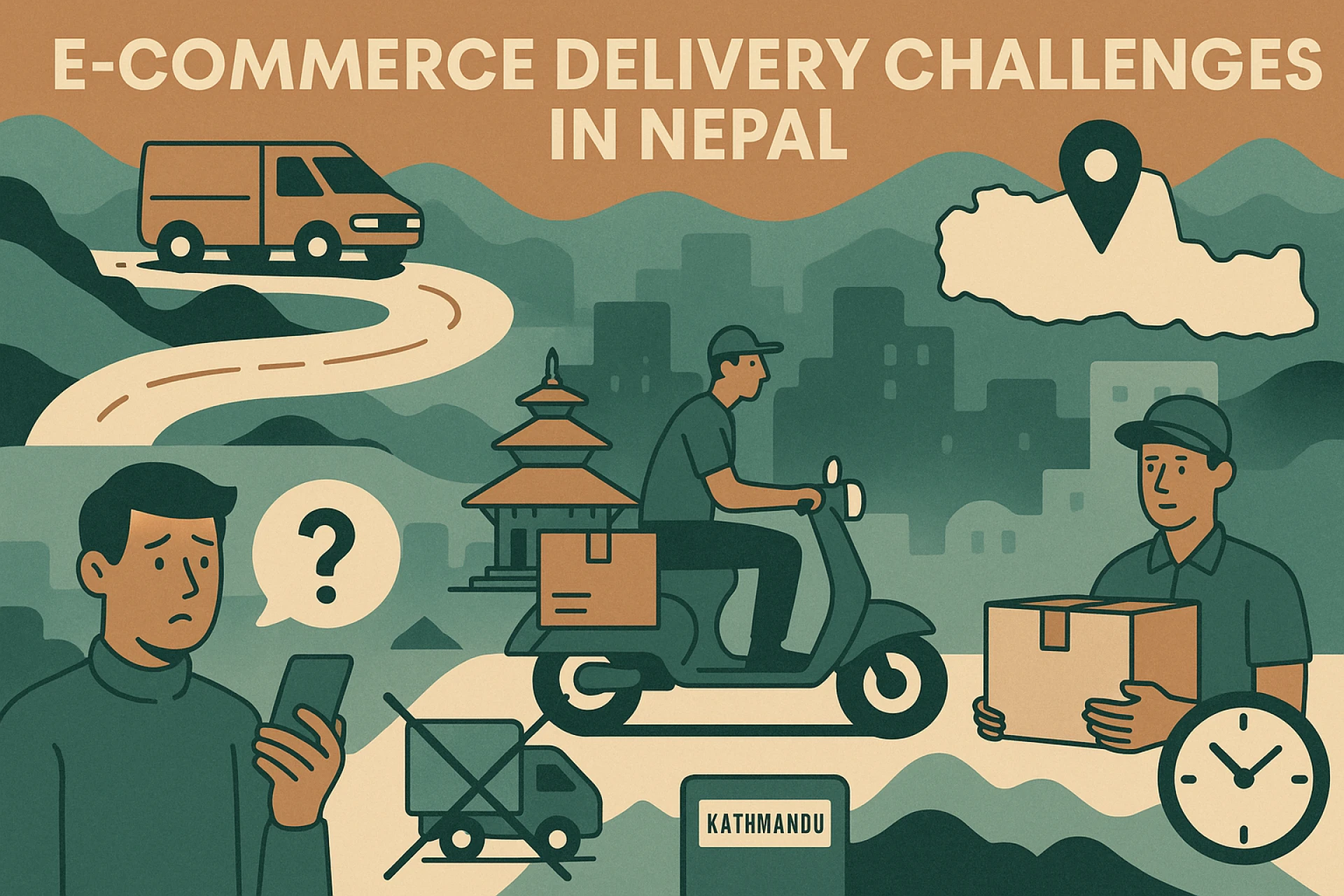

E-commerce in Nepal is growing. More people now order things online, clothes, phones, groceries, and more. Websites like SY Bazzar, Daraz, and Sasto Deal are popular choices. Even platforms like Hamrobazar, once known for second-hand items, are getting more traffic. But there's still one big issue stopping the industry from reaching its full potential: delivery and fulfillment.
Online Orders Are Easy, But Delivery Isn’t
Placing an order online only takes a few clicks. That part is simple. But getting that item to your door? Not always smooth. Delivery delays, missing packages, and poor customer updates are still common.
In cities like Kathmandu or Pokhara, orders may arrive within a day or two. But outside these urban areas, it’s a different story. People often wait five to seven days, or more. Some packages never arrive at all. That leaves customers unhappy and unsure if they’ll shop online again.
Nepal’s Geography Makes It Hard
Nepal isn’t flat. Mountains, hills, and remote villages make transportation tough. Roads in many parts of the country are rough, narrow, or blocked during monsoon season. Delivery trucks can't always reach small towns, and when they do, it takes time and extra cost.
Even within the Kathmandu Valley, traffic jams and poor road conditions cause delays. A simple delivery might take hours because of a roadblock or construction work.
Lack of Reliable Logistics Services
Unlike bigger countries with major courier networks, Nepal has fewer well-equipped logistics providers. Most e-commerce businesses depend on small delivery teams or local couriers. These groups don’t always have the tools or training to track, sort, and deliver packages properly.
This becomes a bigger problem during busy times like Dashain or Tihar. Orders pile up, and delivery teams get overwhelmed. Customers might receive items late or even get the wrong package.
Returns and Replacements Are Even Tougher
Let’s say someone buys a T-shirt online but gets the wrong size. In countries with strong systems, returning the item is easy. But in Nepal, the process is slow and unclear. Many sellers don’t even offer free returns.
For customers outside big cities, returning a product might mean travelling far to drop it off. That costs time and money, two things most people don't want to waste.
Trust Issues for New Shoppers
Because of these problems, many people still hesitate when it comes to online shopping in Nepal. They ask: “Will my order even arrive?” or “What if it’s broken?” These doubts make it hard for new users to trust the system.
Until delivery and fulfilment improve, trust will remain low. This is especially true for older people or those living in remote districts who are trying e-commerce for the first time.
What Needs to Change?
To fix this, e-commerce companies must invest more in logistics. That means hiring trained staff, using tracking systems, and expanding delivery zones. Some platforms like Daraz are trying to do this by opening local hubs. SY Bazzar is also exploring ways to make deliveries faster and more reliable in outlying regions.
Government support could also help. Better roads, clear postal codes, and digital address systems can make delivery easier for everyone.
If you want to explore what the online space offers today, you can visit online shopping in Nepal platforms and see how services are evolving to meet demand, even if slowly.
Conclusion
Online shopping is growing in Nepal, but delivery and fulfilment are still holding it back. From poor infrastructure to limited courier networks, challenges remain. Platforms like SY Bazzar, Sasto Deal, Hamrobazar, and Daraz are pushing forward, but there's still a long way to go. Until those final miles are fixed, e-commerce in Nepal will struggle to fully take off.































Sign in to leave a comment.