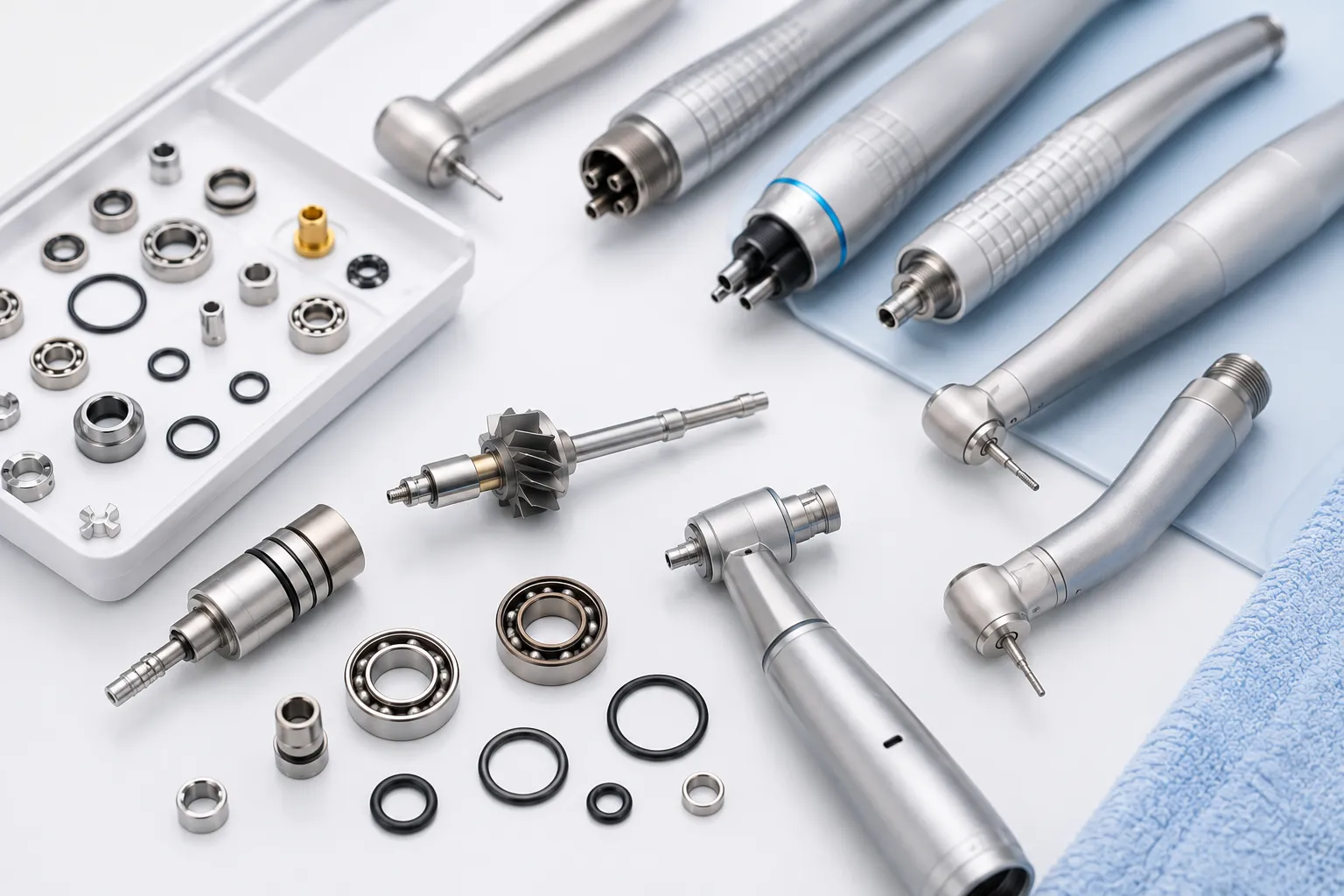

Dental handpieces are important tools in every dental clinic. Dentists use them every day for many procedures. Because they work at high speeds, their internal parts wear out over time.
Regular maintenance helps keep handpieces working properly. It also reduces repair costs and prevents unexpected equipment failure. When dentists replace worn parts on time, they can improve performance and extend the life of their equipment.
Understanding How Dental Handpieces Work
A dental handpiece contains many small components that work together. These include bearings, gears, rotors, seals, and turbines. Each part plays an important role in helping the handpiece operate smoothly.
If one component becomes damaged, the entire system can lose efficiency. Dentists may notice more noise, vibration, lower speed, or reduced cutting performance. Early maintenance helps prevent these problems.
When an A-dec Turbine Needs Replacement
Many dental offices trust A-dec equipment because of its reliability. However, even high-quality handpieces need service after long-term use.
An A-dec turbine replacement may be necessary when the handpiece starts losing power or produces unusual sounds. Replacing a worn turbine can restore speed and improve overall performance.
Timely replacement helps avoid larger repairs and keeps the handpiece working efficiently during daily procedures.
Why Turbines Are Important
The turbine is one of the most important parts inside a high-speed handpiece. It uses compressed air to create rotation. This allows dentists to perform procedures quickly and accurately.
A healthy turbine helps provide:
- Consistent speed
- Smooth operation
- Better cutting efficiency
- Improved patient experience
When turbines wear out, treatment can become slower and less efficient.
Common Signs of Turbine Wear
Knowing the warning signs can help prevent major equipment problems.
Increased Noise
A handpiece that becomes louder than usual may have worn internal components.
Excessive Vibration
Vibration can make procedures less comfortable and reduce precision.
Reduced Power
Lower speed and cutting efficiency often indicate turbine wear.
Heat During Use
Extra heat may signal internal friction or damaged bearings.
Regular inspections help identify these issues before they become serious.
Benefits of Preventive Maintenance
Preventive maintenance helps protect your equipment investment. Small maintenance tasks can prevent expensive repairs later.
Daily Cleaning
Cleaning removes debris and contaminants after every procedure. This helps maintain smooth performance.
Proper Lubrication
Lubrication reduces friction between moving parts. It also helps protect bearings and internal components.
Correct Sterilization
Following proper sterilization procedures protects both patients and equipment.
Routine Inspections
Regular checks help identify worn parts before they fail completely.
These simple steps can increase equipment lifespan and improve reliability.
Restoring Performance with Turbine Replacement
Over time, all turbines experience wear. Replacing them before complete failure helps maintain productivity.
A Star turbine replacement is often a cost-effective solution when performance begins to decline. Instead of replacing the entire handpiece, dentists can restore functionality by replacing critical internal components.
This approach helps reduce costs while improving efficiency.
The Role of Slow-Speed Handpieces
A slow speed handpiece dental system is commonly used for polishing, finishing, cleaning, and other precision procedures.
Unlike high-speed handpieces, slow-speed models provide greater control and torque. This makes them useful for procedures that require accuracy rather than speed.
Because they are used frequently, regular maintenance is important for maintaining consistent performance.
Choosing the Right Attachment
Attachments help make dental handpieces more versatile. Different procedures require different accessories.
A slow speed contra angle latch type attachment allows clinicians to perform restorative and preventive procedures with greater control. It securely holds instruments and helps deliver smooth operation.
Using compatible attachments improves efficiency and protects the handpiece from unnecessary strain.
How Quality Parts Improve Equipment Life
Not all replacement parts offer the same level of quality. Choosing reliable components can improve performance and reduce future repairs.
High-quality parts typically provide:
- Better durability
- Longer service life
- Improved reliability
- Consistent performance
Working with trusted suppliers helps ensure proper compatibility and long-term value.
Conclusion
Dental handpieces are essential tools that need regular care to perform at their best. Understanding how turbines and attachments work can help dental professionals make smarter maintenance decisions.
Replacing worn parts at the right time improves efficiency, reduces downtime, and extends equipment life. Whether you need turbine replacements or handpiece accessories, investing in quality components is always a smart choice.
For dependable dental equipment solutions and replacement parts, American Dental Accessories helps dental professionals maintain reliable and long-lasting handpiece performance.
Frequently Asked Questions
1. How often should dental handpieces be serviced?
Handpieces should be inspected regularly and serviced according to manufacturer recommendations and usage levels.
2. What causes turbines to fail?
Common causes include heavy use, poor lubrication, debris buildup, and normal wear over time.
3. Can replacing a turbine improve performance?
Yes. A new turbine can restore speed, power, and smooth operation.
4. Why are slow-speed handpieces important?
They provide better control for polishing, finishing, and precision dental procedures.
5. How can I extend handpiece life?
Regular cleaning, lubrication, sterilization, and timely replacement of worn parts can significantly extend equipment life.
6. Are quality replacement parts worth the investment?
Yes. High-quality parts often last longer, perform better, and reduce future repair costs.


























Sign in to leave a comment.