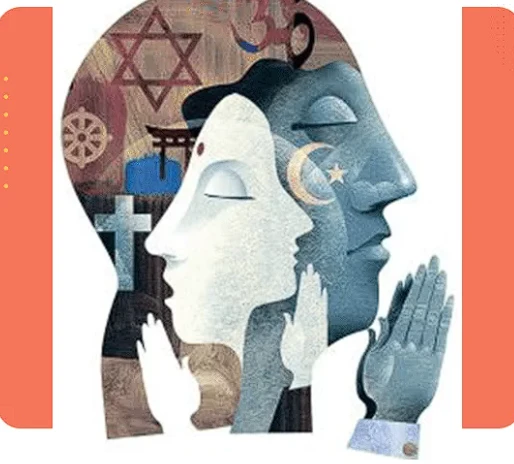
Across cultures and centuries, prayer and meditation have remained central practices in many religions. Whether performed in temples, churches, mosques, monasteries, or quiet corners of homes, these practices help individuals reflect, focus, and connect with something greater than themselves. Despite differences in rituals and beliefs, many spiritual traditions share the understanding that prayer and meditation guide people toward inner peace and spiritual awareness. These practices are often seen as pathways to experiencing cosmic energy, the universal force believed to connect all existence.
Prayer and meditation encourage individuals to step away from everyday distractions and focus their attention on deeper truths. Through reflection, silence, and devotion, people can experience a sense of calm and connection that transcends ordinary thought.
The Spiritual Purpose of Prayer
Prayer is one of the most universal spiritual practices found across religions. At its core, prayer is an act of turning toward a higher power or divine reality. Many traditions describe prayer as a way of surrendering to something greater than oneself, helping individuals move beyond their ego and connect with a higher spiritual plane.
Prayer also helps bring focus to the mind. In a busy world filled with constant distractions, prayer encourages individuals to concentrate on a single intention, whether that is gratitude, guidance, or compassion. By centering the mind, prayer helps people experience emotional balance and clarity.
Many believers also see prayer as a way to align themselves with cosmic energy, believing that sincere devotion opens a channel between the human mind and the greater universe. This connection can create a sense of harmony, purpose, and spiritual awareness.
The Role of Meditation in Spiritual Growth
While prayer often involves communication with the divine, meditation focuses on inner awareness. Meditation encourages individuals to withdraw from external distractions and turn inward. This inward journey allows people to observe their thoughts, calm the mind, and develop deeper understanding.
Many religious traditions consider meditation a powerful path toward spiritual awakening. Through quiet reflection, individuals learn to recognize deeper layers of consciousness. Over time, meditation helps practitioners cultivate mindfulness, patience, and emotional balance.
Meditation is also seen as a way to experience cosmic energy directly. By quieting the mind and focusing attention inward, individuals may feel connected to a larger spiritual reality beyond the physical world.
Prayer and Meditation Across Major Religions
Despite differences in traditions, many religions encourage both prayer and meditation as daily spiritual practices.
In Judaism, believers traditionally pray several times each day, including morning, afternoon, and evening prayers. These regular moments of reflection help maintain spiritual awareness throughout daily life.
In Islam, prayer is a central pillar of faith. Muslims perform Salah five times daily, following specific gestures, words, and conditions of purity. These structured prayers remind believers to remain mindful of their relationship with God throughout the day.
Christian traditions also emphasize the importance of prayer. Christians often pray individually or collectively in churches, expressing gratitude, seeking guidance, or offering devotion.
The Baha’i faith similarly highlights meditation as a way to free the mind from distractions and connect with divine reality. Through meditation, individuals seek to understand truth and strengthen their spiritual awareness.
Eastern traditions such as Hinduism, Buddhism, and Taoism place strong emphasis on meditation as a path toward enlightenment and deeper awareness. These traditions teach techniques such as breathing control, concentration, and contemplation to calm the mind and expand consciousness.
Across all these traditions, practitioners believe that prayer and meditation help individuals align themselves with cosmic energy, creating harmony between the individual and the universe.
Techniques Used in Prayer and Meditation
Different religions use various techniques to deepen prayer and meditation practices. These methods help individuals maintain focus and strengthen their spiritual connection.
Visualization is one common technique. Practitioners imagine sacred symbols, divine figures, or peaceful landscapes to deepen concentration.
Chanting is another widely used practice. Repeating sacred words or phrases helps calm the mind and maintain spiritual awareness.
Breathing exercises are also important in many meditation traditions. Controlled breathing slows the body’s stress response and allows individuals to enter a deeper state of relaxation.
Contemplation is another powerful method. By reflecting on spiritual teachings, individuals develop insight and wisdom that guide their daily lives.
These practices help people transcend everyday distractions and open themselves to cosmic energy, allowing them to experience deeper awareness and spiritual harmony.
The Benefits of Prayer and Meditation
In addition to spiritual benefits, prayer and meditation can have positive effects on mental and physical well being. Research and observations from many institutions suggest that regular meditation can reduce anxiety, lower blood pressure, improve memory, and increase overall happiness.
Prayer can also provide emotional support during difficult times. When people pray, they often feel comforted by the belief that they are not alone and that a higher power is guiding their lives.
Meditation strengthens self awareness and emotional balance. By observing thoughts and emotions without judgment, individuals learn to respond more calmly to challenges.
These benefits show that prayer and meditation are not only spiritual practices but also tools for maintaining mental and emotional health.
Solitude and Reflection in Spiritual Practice
Many spiritual traditions encourage periods of solitude to deepen meditation and prayer. Historically, seekers often traveled to mountains, forests, or monasteries to meditate in peaceful surroundings.
However, solitude does not require remote locations. Even a quiet corner at home can become a sacred space for reflection. What matters most is creating an environment where the mind can become calm and focused.
When individuals regularly set aside time for prayer or meditation, they develop a stronger sense of self awareness and spiritual connection.
A Shared Spiritual Practice Across Humanity
One remarkable aspect of prayer and meditation is their universality. Although religions differ in beliefs and rituals, they often share similar spiritual goals. These practices encourage humility, reflection, and connection with something larger than oneself.
By practicing prayer and meditation, individuals step beyond everyday concerns and enter a space of deeper awareness. In this state, they may experience peace, clarity, and connection with cosmic energy that transcends cultural and religious boundaries.
Final Thoughts
Prayer and meditation remain essential practices in many faith traditions because they address a fundamental human need for meaning and connection. They provide a way to quiet the mind, open the heart, and reflect on life’s deeper purpose.
Through these practices, individuals cultivate awareness, compassion, and wisdom. They learn to move beyond ego driven thinking and recognize the unity that connects all beings.
Ultimately, prayer and meditation guide people toward harmony with themselves, others, and the universe. By embracing these timeless practices, individuals can experience greater peace and a deeper connection with the cosmic energy that flows through all existence.




























Sign in to leave a comment.