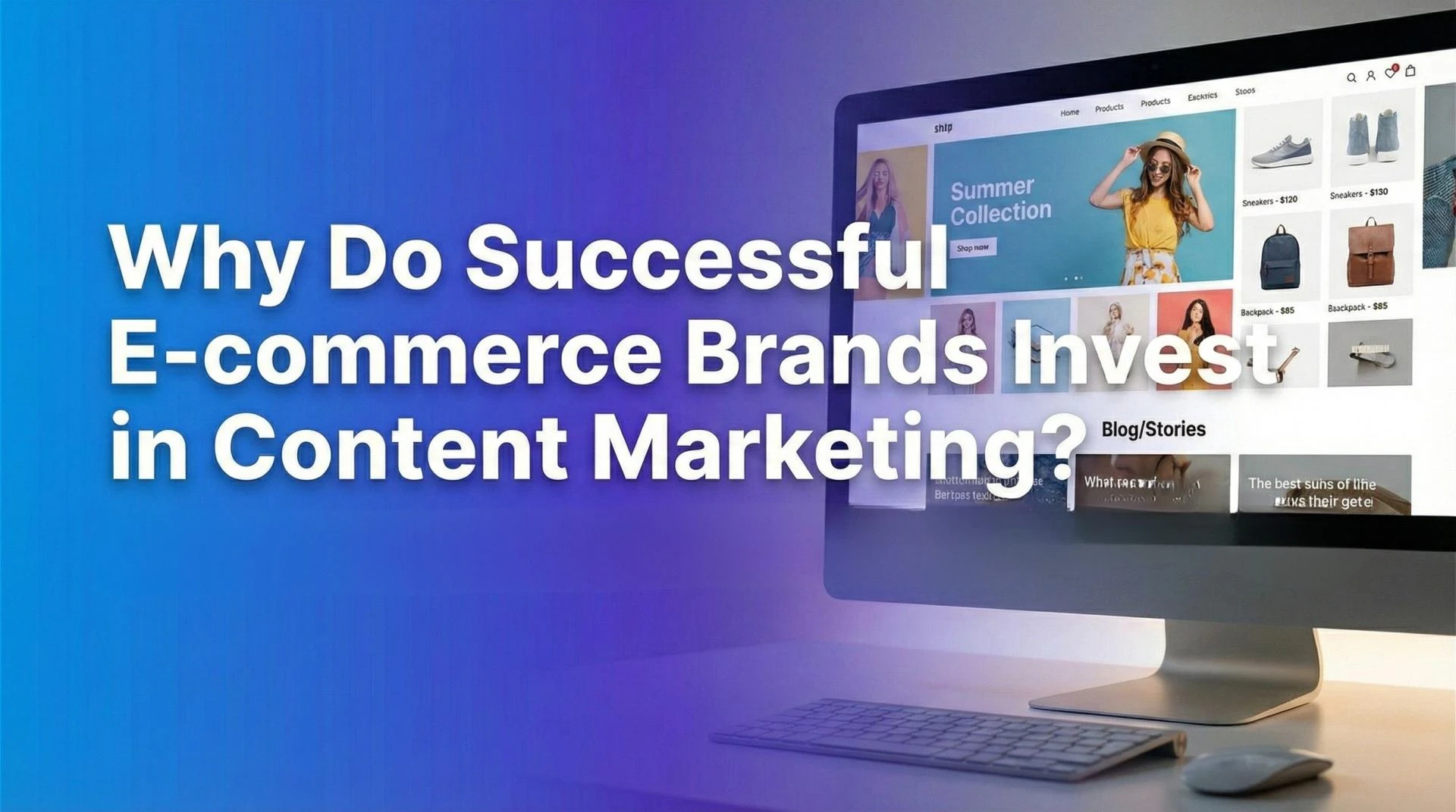

Successful e-commerce brands invest in content marketing to break free from the rising costs of paid advertising and build a sustainable engine for growth. By creating high-quality content, brands lower their Customer Acquisition Cost (CAC), establish authority (E-E-A-T) to rank in search engines, and retain customers through education rather than just hard selling. Unlike ads, which stop working the moment you stop paying, content provides compounding returns over time.
1. Escaping the "Paid Ad Trap" (Lowering CAC)
Paid ads are effective, but they are renting attention, not owning it. The moment you turn off your Facebook or Google Ads budget, the traffic hits zero.
- The Problem: Ad costs (CPM and CPC) have risen consistently over the last decade. Relying solely on paid acquisition kills margins.
- The Solution: Content marketing acts as an asset. A single high-ranking guide can bring in thousands of potential customers every month for years without costing a cent in ad spend.
Why this matters now: In 2026, privacy changes (like the loss of third-party cookies) make targeting ads harder and more expensive. Organic traffic from content is immune to ad-blockers and privacy updates.
2. Ranking in the Era of AI Overviews (SGE)
Search is changing. Google’s AI Overviews (formerly SGE) now answer user questions directly on the search results page. If your brand doesn't provide the answer, you become invisible.
To rank in AI Overviews, successful brands structure their content differently:
- Direct Answers: They provide concise, 20-30 word answers to specific questions (Who, What, How) immediately after a heading.
- Structured Data: They use clear bullet points and logical formatting that AI can easily parse.
- Expertise: They demonstrate real-world experience, which AI prioritizes over generic advice.
Pro Tip: Don't just write "about" a product. Write the answer to the specific problem that product solves. If you sell running shoes, write the definitive guide on "How to prevent shin splints."
3. Building Trust Through E-E-A-T
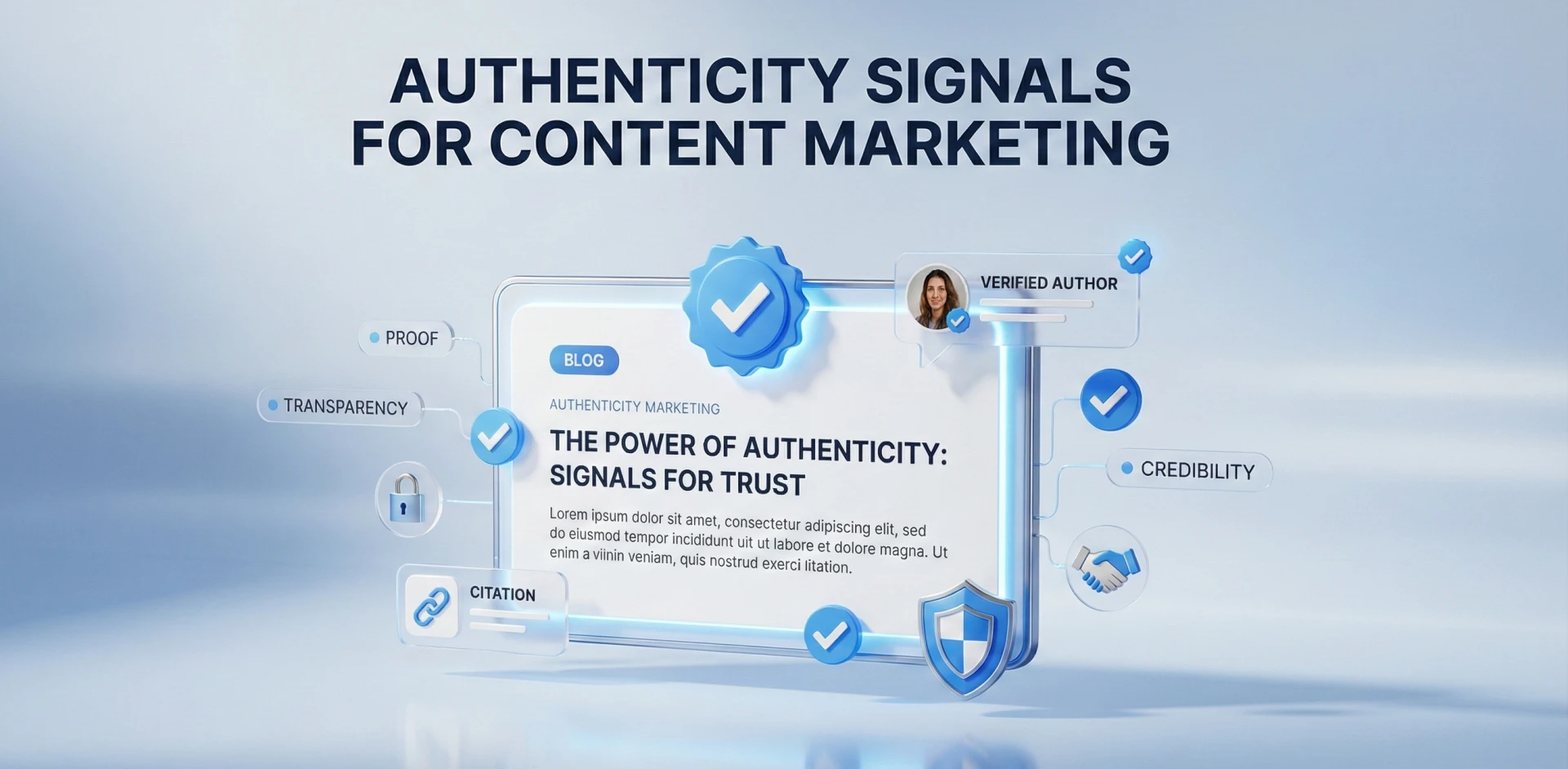
Trust is the currency of e-commerce. Users are skeptical of new brands. Google uses a framework called E-E-A-T (Experience, Expertise, Authoritativeness, and Trustworthiness) to decide who ranks.
- Experience: Show you have actually used the product.
- Expertise: content written by professionals or enthusiasts, not generic copywriters.
- Authoritativeness: Being cited by other reputable sites.
- Trustworthiness: Secure sites, clear return policies, and transparent reviews.
Content marketing is the only way to demonstrate E-E-A-T. A product page says "Buy this." A detailed buying guide says "We know this industry, and we can help you make the right choice."
4. Increasing Customer Lifetime Value (LTV)
Most brands focus too much on the first sale. The real profit lies in the second, third, and fourth order. Content keeps customers engaged after they buy.
How content drives retention:
- Care Guides: A leather bag company sending a guide on "How to age leather beautifully" reduces returns and increases satisfaction.
- Use Cases: Showing new ways to use a product (e.g., recipes for a blender brand) keeps the brand top-of-mind.
- Community: User-generated content and stories make customers feel part of a tribe.
The ROI of Content vs. Ads
When deciding where to allocate budget, it helps to view paid ads and content marketing as two different types of investment vehicles.
- Traffic Source Paid ads are essentially rented traffic. The visibility exists only as long as you pay for it; the moment the budget stops, the traffic hits zero. Content marketing, however, builds owned traffic. It is a compounding asset where a single post can continue driving visitors for years without additional payment.
- Cost Trend With paid advertising, costs generally increase over time due to rising competition and platform saturation. In contrast, the cost per visitor for content marketing decreases over time. Once the content is created, every subsequent organic visitor effectively lowers your average cost.
- Trust Level Consumers have developed "banner blindness" and generally have low trust in paid placements, often skipping them entirely. Content marketing enjoys high trust because users are actively seeking answers to their problems, and your brand is providing the solution rather than just an interruptive sales pitch.
- Primary Goal The primary goal of paid ads is usually immediate sales—capturing demand that already exists. Content marketing focuses on authority and long-term growth, helping you capture customers earlier in their journey and retaining them longer.
Investing in content marketing isn't just about getting clicks; it's about building a defensive moat around your business. By answering your customers' questions better than anyone else, you earn their trust, their traffic, and eventually, their loyalty.
Not sure where to start with your content strategy? We can audit your current setup and find the quickest wins for your brand. Check out our digital marketing services to schedule a chat.









Sign in to leave a comment.