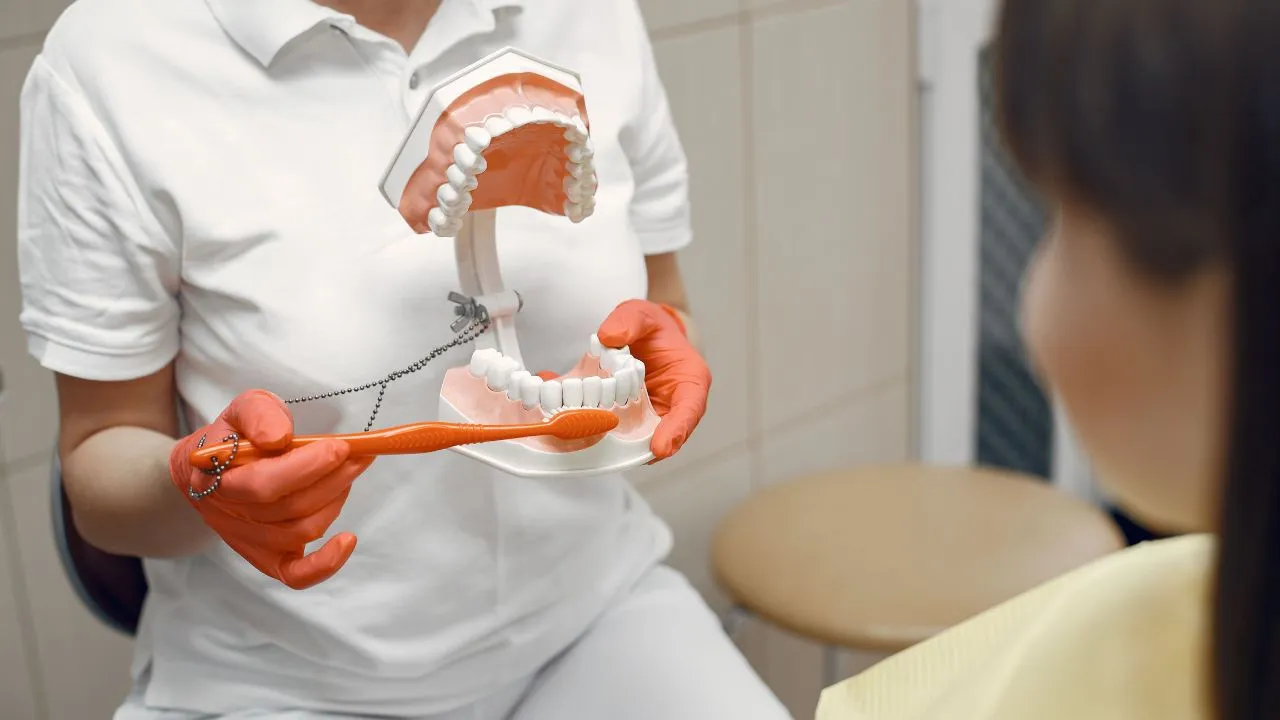

Although kids' oral health has improved over the years, tooth decay is still a big problem for a lot of young kids in England. The 2024 survey found that more than one in five five-year-olds had tooth decay. It also showed just how big the differences are depending on deprivation - which is why it's clear that some groups of kids are going to need some extra help.
The point is, every kid is different - it's down to all sorts of things like their diet, how much fluoride they get, how well they brush their teeth at home and so on. So school-based prevention is just one part of a wider approach to helping kids stay healthy - not a replacement for individual care.
If you're concerned about your child's teeth, it's important to seek advice from a qualified dental professional. Families looking for a dentist in Harrow can contact a local dental practice to discuss their child's oral health needs and arrange an assessment where appropriate.
NICE recommends that local authorities and health partners consider commissioning supervised tooth brushing schemes for nurseries and primary schools in areas where children are at higher risk of poor oral health.The idea is to give them another opportunity to learn good oral health habits - and to give them a bit of extra protection.
Does Supervised Tooth brushing Actually Make a Difference?
Evidence and current guidance support supervised tooth brushing as a useful preventive intervention when programs are delivered according to established evidence-based procedures.
The government's evidence summaries have shown that daily tooth brushing in schools can help reduce tooth decay and get kids into the habit of brushing regularly.
NICE also recommends that schools and nurseries in areas where kids are at higher risk of poor oral health should consider supervised tooth brushing with fluoride toothpaste. The guidance from the government sets out pretty clearly how these programs should be set up - including supervision, fluoride toothpaste, toothbrush storage, hygiene procedures and staff training.
The thing is, supervised tooth brushing isn't a magic bullet - it can't guarantee that a kid will never get tooth decay. Dental caries is a complex thing, influenced by all sorts of factors including diet, how often kids get access to sugar, how well they brush their teeth at home and so on.
What supervised tooth brushing does do is give kids another chance to brush their teeth with fluoride toothpaste - and to get into the habit of brushing regularly.
Why does fluoride matter
Fluoride toothpaste is a big part of the benefit of supervised tooth brushing programs.
Fluoride can make teeth more resistant to decay, and it can help re-mineralise early changes in the tooth surface.
For supervised tooth brushing programs in England, guidance from the Office for Health Improvement and Disparities (OHID) recommends using toothpaste containing 1,350–1,500 parts per million (ppm) fluoride. This recommendation applies to properly managed supervised programs, where trained adults ensure children use the correct amount of toothpaste and follow appropriate brushing procedures. For individual children, parents and carers should follow age-appropriate oral health guidance and seek advice from a dental professional when needed.
That's why brushing teeth is more than just a question of learning how to hold a toothbrush - regular exposure to fluoride toothpaste is a big part of the intervention.
Building a healthy routine
Getting kids into the routine of brushing their teeth every day is an important part of keeping their teeth healthy.There is also a behavioral element at play.
Young children are still figuring out what everyday habits are all about - and doing their teeth in a routine setting can help reinforce the idea that brushing is just another part of keeping themselves healthy.
But - school brushing shouldn't replace the tooth brushing kids are supposed to be doing at home.
Does School Brushing Replace Tooth brushing at Home?
No.
This is something that's really, really important for parents and carers to grasp.
Children taking part in supervised tooth brushing at school or nursery still need their teeth brushed at home. UK preventive guidance recommends brushing at least twice daily with fluoride toothpaste, including last thing at night or before bed and on one other occasion. For younger children, parents or carers should brush or help with brushing until the child can do it effectively themselves.
That means parents and carers still have a big role to play in helping young kids brush properly and getting into good habits at home.
NICE also says supervised-tooth brushing programs should get parents and carers involved and encourage kids to brush at both home and in school.
What Toothpaste Is Used in Supervised Programs?
Current OHID guidance recommends toothpaste containing 1,350–1,500 ppm fluoride for supervised tooth brushing programs in England.
The amount of toothpaste is also important.
- Children under three years old: Use a thin smear of fluoride toothpaste.
- Children aged three to six: Use a pea-sized amount of fluoride toothpaste.
Children should be supervised to help ensure they use the correct amount and avoid swallowing toothpaste. After brushing, they should spit out any remaining toothpaste rather than rinsing with water, which helps fluoride remain on the teeth.
When toothpaste is shared in a supervised program, it should be dispensed onto an appropriate clean surface rather than directly onto children's toothbrushes, helping to prevent cross-contamination.
How Do Schools Keep Toothbrushes Clean?
Hygiene and keeping toothbrushes separate from one another are big worries for parents when kids are brushing together in a school or nursery.
A well-run program should make sure each child has an individually identifiable toothbrush, that brushes are stored according to established infection-prevention procedures, and that toothbrushes do not touch each other during storage.
OHID guidance recommends replacing toothbrushes every term, or sooner if they become damaged, the bristles are splayed or a toothbrush falls on the floor.
The government's supervised-tooth brushing toolkit was updated in April 2025, including clarification of toothbrush-storage arrangements and supervisors' responsibilities.
What About Kids With SEND or Sensory Needs?
Not every kid finds tooth brushing easy.
Some kids with special educational needs and disabilities, or sensory differences, or swallowing difficulties might need a different approach.
Current supervised-tooth brushing guidance says some kids may need special help - like some special toothpastes that don't foam up so much.
The goal shouldn't be to get all kids to do tooth brushing the same way, no matter what their needs are.
Instead, schools and early-years settings should be thinking about the best way to adapt things, and working with parents and carers and any necessary professionals.
And parents can help by talking to their kids about what makes tooth brushing easier or more comfortable for them at home.
Do Parents Need to Get Involved?
Yes.
Getting parents involved is a big part of making a supervised-tooth brushing program work.
NICE says programs should have formal arrangements for getting informed consent from parents or carers, and should work with families to help them get their kids into good brushing habits both at home and at school.
Different schools may have different systems, so parents should have a look at the information they get from their child's nursery or school or local authority.
If they're not sure about something, it's only reasonable to ask questions.
What Should Parents Ask About a School Tooth brushing Program?
Parents don't have to be dental experts to ask useful questions about how the program is running.
Some practical questions might be:
- How often does supervised tooth brushing happen?
- What level of fluoride is in the toothpaste they're using?
- How much toothpaste do they use?
- How do they keep toothbrushes labelled and stored?
- How often do they replace toothbrushes?
- Who supervises the kids?
- What training have staff had?
- How do they support kids with sensory or additional needs?
- How do they handle getting consent from parents and carers?
- Who should parents contact if they've got a problem?
Asking these kinds of questions can help parents understand if the program is being run on a proper system, or if it's just some casual classroom activity.
What Else Can Schools Do to Help Kids' Oral Health?
Supervised tooth brushing shouldn't be the only way schools support kids' oral health - NICE says schools should be taking a whole-school approach.This may include making plain drinking water freely available and supporting healthier food and drink choices, providing age-appropriate oral health education for kids and giving families the lowdown on accessing dental services - as you'd want to.
It matters because tooth decay just cant be put down to one thing.
You have foods and drinks high in sugar, fluoride exposure, how kids brush and their individual circumstances all playing a role.
A supervised tooth brushing program works best when its part of a bigger plan to prevent tooth decay.
When Should a Child See a Dentist?
But a supervised tooth brushing program can't replace having a dental pro take a look at your child's teeth.
If you're worried about your child's teeth or mouth, you should get some advice from the dentist.
Some good reasons to do this include:
- a persistent toothache
- swelling that just wont go away
- a visible hole or what looks like a cavity
- a lingering sensitivity
- you notice some damage to a tooth
- a tooth just looks different somehow
- or any other nagging oral health concern that won't go away
Children experiencing severe dental pain, facial swelling or signs of infection should receive prompt dental advice.
If a child has difficulty breathing, swallowing or speaking, significant swelling inside the mouth, or swelling affecting the eye, call 999 or go to A&E immediately.
These symptoms may indicate a serious problem that requires urgent medical attention.
So, Is Supervised Tooth brushing Worthwhile?
The current public health guidance in the UK thinks supervised tooth brushing is a useful tool to prevent tooth decay, especially in nurseries and schools in areas where kids are more likely to have poor oral health.
These programs can get kids used to fluoride toothpaste, keep them in the habit of good brushing and give them another nudge to look after their teeth.
But supervised tooth brushing is just one part of the solution.
Kids still need to be brushing at home and parents are still super important in getting good oral health habits going and of course getting professional dental advice is still a must.
We still have a problem - 22.4% of five-year-old schoolchildren surveyed in England had experienced dental decay so there is still loads of work to do in prevention.
When you get supervised tooth brushing right and combine it with good brushing at home, eating healthy foods and easier access to dental services - it can be a useful part of a big plan to keep kids' teeth in good nick.





















Sign in to leave a comment.