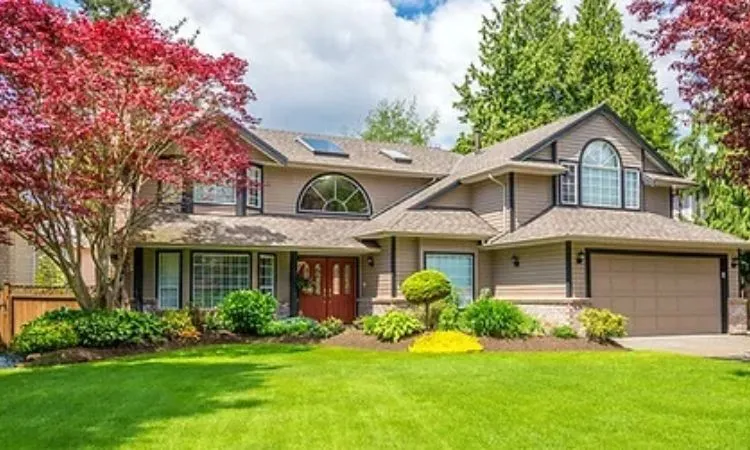

You mow your lawn regularly, keep the visible weeds under control, and try to maintain a consistent appearance. Yet certain areas stay thin, with patches of exposed soil appearing between sections of grass. This can be frustrating because regular maintenance doesn't always address the underlying causes of poor grass coverage. A lawn's condition depends on more than how often you cut it. Soil quality, root development, weed competition, and grass density also influence its appearance.
Understanding these factors can help property owners identify what their lawns actually need, rather than repeating the same maintenance tasks without seeing meaningful improvements.
1. Regular Mowing Does Not Guarantee Thicker Grass
One common misconception is that frequent mowing automatically produces a thicker lawn. Although mowing helps maintain an even appearance, it doesn't directly address every factor that affects grass density.
If certain areas already have weak or limited grass coverage, cutting the existing grass will not necessarily fill those gaps. Similarly, repeatedly focusing on mowing while overlooking soil conditions or unwanted vegetation may leave the underlying problem unresolved.
A better approach is to evaluate the lawn before deciding which maintenance activities are necessary. Residential and commercial weed control, fertilization, and soil care address different aspects of lawn health and can complement regular mowing.
Understanding the distinction between maintaining grass height and improving grass coverage is an important first step toward better lawn management.
2. Soil Conditions Can Influence Grass Density
Sometimes, a thin lawn starts beneath the surface. Soil quality influences root development and the conditions that support grass growth. When homeowners concentrate only on visible lawn maintenance, they may overlook the importance of soil care. Grass that lacks suitable growing conditions may struggle to maintain consistent coverage, even with regular mowing.
Fertilization and soil care can help address these concerns. Slow-release fertilizers support soil health, encourage healthy root growth, and help produce denser grass.
However, fertilization isn't an instant fix for every thin area. Property owners should assess their lawns and determine whether soil-related issues are contributing to uneven growth.
3. Can Overseeding Help Address Thin Lawn Areas?
When a lawn has visible gaps or inconsistent grass coverage, simply maintaining the existing grass may not be enough. This is where Overseeding becomes a relevant lawn-care consideration.
Overseeding means adding grass seed to an existing lawn without replacing the established grass. It aims to improve grass coverage and address thin areas.
However, approach overseeding with an understanding of the lawn's current condition. Adding seed without addressing underlying problems may not produce the desired results.
For example, if weeds compete with grass or soil conditions are unsuitable, those issues should also be addressed. Evaluating the lawn first helps determine whether overseeding is appropriate and what other maintenance practices may be necessary.
4. How Does Weed Competition Affect Grass Coverage?
A lawn can become thinner when unwanted vegetation takes up space and competes with desirable grass. Weeds can affect the appearance of an otherwise maintained property, particularly when they spread across areas with already limited grass coverage.
That is why weed management deserves its own attention rather than being treated as an occasional cleanup task.
Residential and commercial weed control focuses on managing unwanted vegetation across different property types. While residential lawns and commercial outdoor spaces have different maintenance needs, both benefit from a structured approach to weed prevention and control.
Targeted weed control practices can reduce unwanted growth and support healthier grass. Combining this approach with appropriate fertilization and regular mowing helps property owners address several aspects of lawn maintenance without relying on a single task.
5. Why Should Lawn Maintenance Be Based on Actual Conditions?
Not every thin lawn has the same underlying problem. One property may have limited grass coverage because of unsuitable soil conditions, while another may require better weed management.
Following an identical maintenance routine across different properties may therefore produce inconsistent results. A more practical approach begins with observing the lawn. Property owners can look for recurring bare patches, uneven growth, and areas where unwanted vegetation keeps appearing.
These observations help determine whether the lawn needs additional soil care, fertilization, weed control, or consideration of overseeding. For properties that receive regular maintenance, this evaluation is especially useful because it shifts the focus from completing routine tasks to understanding whether those tasks address the actual concerns.
6. Combining Lawn Care Practices for Better Coverage
Maintaining a healthy lawn requires attention to several connected factors. Mowing keeps grass looking even, while fertilization and soil care support root development and denser growth. Weed control addresses unwanted vegetation that can detract from the lawn's appearance.
Consider overseeding when existing grass coverage needs improvement. However, it works best as part of a broader assessment rather than as an automatic response to every bare patch.
An organized lawn-care routine should reflect the property's specific requirements. This applies to homeowners with smaller yards and businesses responsible for larger outdoor spaces.
Professional lawn maintenance can address these needs through mowing, fertilization, soil care, weed control, and seasonal services. Choosing the appropriate combination makes it easier to maintain a consistent appearance and identify concerns before they become more noticeable.
Conclusion
A thin lawn does not necessarily indicate that maintenance has been neglected. Sometimes, the issue lies in soil conditions, limited grass coverage, or unwanted vegetation that routine mowing cannot address.
Understanding the purpose of different lawn-care practices helps property owners make more informed decisions. From overseeding sparse areas to using residential and commercial weed control and appropriate fertilization, a more comprehensive approach can support healthier grass and a better-maintained outdoor space.



















Sign in to leave a comment.