

You finally get your skin under control, and then a few weeks later, another breakout appears. It can be tempting to switch products, try a new home remedy, or treat each pimple as it arrives. But recurring acne is often more complicated than an occasional breakout. Understanding the different factors that contribute to acne can help explain why some people continue to experience breakouts even after their skin initially improves.

Acne Improvement Doesn't Always Mean the Problem Is Gone
Acne develops through a combination of factors, including excess oil production, clogged hair follicles, inflammation, and changes involving skin bacteria. Hormonal fluctuations can also influence oil production and breakouts.
When visible pimples disappear, the underlying tendency to develop acne may still remain.
This is one reason acne management is often different from treating a single isolated spot.
Common Reasons Acne May Return
Recurring breakouts can be associated with several factors:
- Hormonal changes, including menstrual-cycle-related fluctuations
- Stress and changes in sleep or routine
- Skincare or cosmetic products that clog pores
- Stopping an effective treatment too soon
- Irritation from using too many active ingredients
- Picking or squeezing pimples
- An underlying condition that has not been identified
- Treatment that was not appropriate for the type or severity of acne
The cause is not always obvious, and more than one factor can be involved.
Your Skincare Routine Can Matter
When acne persists, it is easy to assume that stronger products will produce faster results. In reality, repeatedly irritating the skin can make a routine harder to tolerate.
Using several exfoliating acids, scrubs, retinoid products, acne treatments, and fragranced products at the same time may cause dryness or irritation.
A simpler routine can sometimes be more practical:
- Use a gentle cleanser.
- Choose products appropriate for acne-prone skin.
- Avoid repeatedly scrubbing active breakouts.
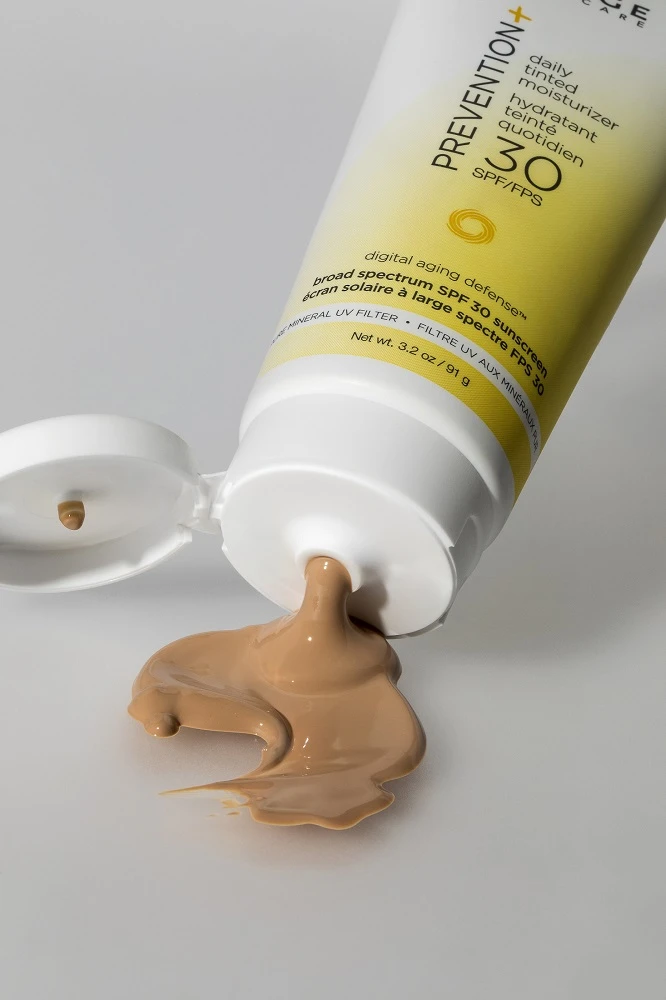
- Use sunscreen during the day.
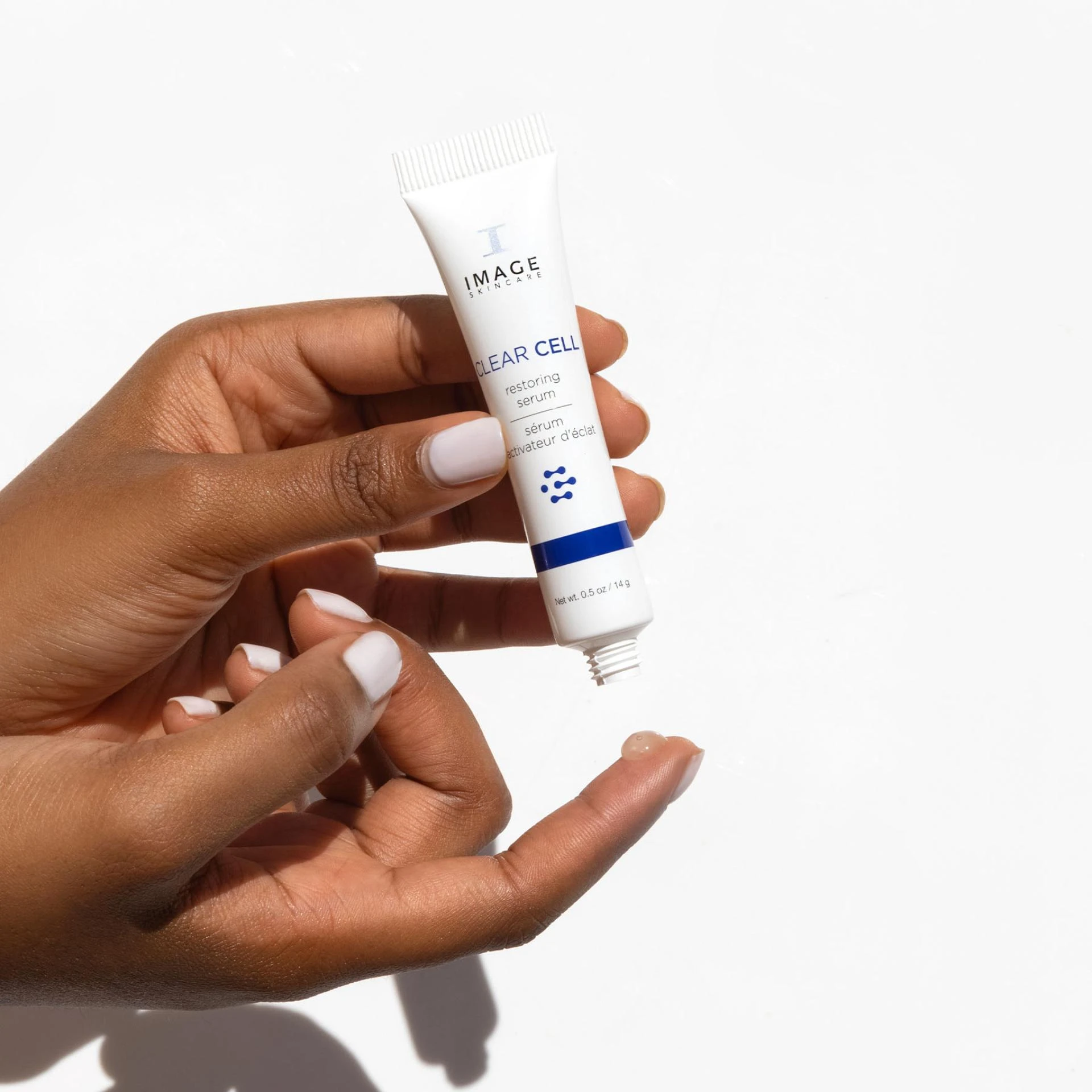
- Introduce active treatments gradually rather than layering several new products at once.
The right routine also depends on the individual's skin type and the treatment being used.
When Recurring Acne Needs a Closer Look
Occasional pimples are different from acne that repeatedly returns, becomes painful, or leaves marks.
A dermatologist may look at:
The type of acne
Blackheads and whiteheads may require a different approach from inflammatory pimples, nodules, or cysts.
The pattern of breakouts
Acne concentrated around the jawline or lower face may raise different considerations from widespread facial or body acne.
Previous treatment
What you have already tried matters. A dermatologist can consider which treatments helped, which caused irritation, and whether they were used consistently.
Signs of scarring
Deep or inflamed acne can increase the risk of persistent marks and scars. Managing active acne is therefore also part of protecting the skin from longer-term changes.
Why Maintenance Can Be Part of Acne Care
Acne management does not always end when the skin looks clearer.
Depending on the diagnosis and treatment, a dermatologist may recommend a maintenance approach to reduce the chance of new breakouts. The specific plan can change over time as the skin responds.
This does not mean everyone needs long-term medication or procedures. It means that treatment should be reviewed according to how the acne behaves.
When Should You Seek Professional Advice?
Consider a dermatology assessment if:
- Acne keeps returning despite a consistent routine.
- Breakouts are painful, deep, or widespread.
- Acne is leaving dark marks or scars.
- Over-the-counter products are causing persistent irritation.
- You suspect hormonal or medication-related factors.
- Your acne is affecting your confidence or daily life.
An assessment can help distinguish between acne that can be managed with basic skincare and cases that may require medical treatment. Where appropriate, an individualized acne treatment plan can address the type, severity, and pattern of the breakouts rather than treating every new pimple in isolation.
Think Beyond the Next Breakout
The goal of acne care is not simply to make today's pimple disappear.
A more useful approach is to understand why breakouts are happening, identify factors that may be contributing to them, treat active acne appropriately, and reduce the risk of future marks and scars.
If acne keeps coming back, changing products repeatedly may not be the answer. Sometimes the more important step is taking a closer look at the pattern and finding out what is driving it.
For people seeking a dermatology assessment in Lucknow, The Velvet Skin Centre has clinics in Thakurganj and Indira Nagar. A consultation can provide an opportunity to discuss recurring breakouts, previous treatments, skincare habits, and appropriate next steps.
Thakurganj: The Velvet Skin Centre, Near Ghante Wala Sweets, Daulatganj, Thakurganj, Lucknow – 226003
Indira Nagar: The Velvet Skin Centre, 23, Amrapali Market, B Block, Indira Nagar, Lucknow – 226016



















Sign in to leave a comment.